Thursday, 8 October 2026

Africa credit rating agency launched

Africa credit rating agency launched

The African Export-Import Bank has welcomed the launch of the Africa Credit Rating Agency, calling it a defining moment for the continent's financial architecture and its ability to produce credible, independent analysis of African credit risk.

The agency was unveiled recently in Balaclava, Mauritius, with its head office in Port Louis. It is an African Union initiative, overseen by the African Peer Review Mechanism, and structured as a private, self-funded entity. No government may hold a stake, a safeguard meant to keep politics out of the ratings it produces.

The chairperson of the African Union Commission, Mahmoud Ali Youssouf, told those gathered that when risk is judged through a political lens, the resulting cost of capital keeps investors and states from putting money into infrastructure, health, education, energy and industrialisation.

Denys Denya, senior Executive vice president of Afreximbank addresses guests during the launch oftheAfrica credit Rating Agency in Port Louis, Mauritius

That burden, he said, feeds directly into the debt distress many member states are already battling. The numbers bear him out. Africa's external debt service bill climbed from US$61-billion in 2010 to US$163-billion in 2024, and in most countries interest payments now outstrip spending on public health or education. Of the 55 member states, only 32 carry a rating from one of the big three international agencies. A large share of African issuers remain unrated altogether.

Denys Denya, senior executive vice president at Afreximbank, used the occasion to spell out what the new agency must get right. "The rating methodology AfCRA develops must recognise the uniqueness of our environment and its institutional structures," he said. "The Agency must set its own standards and not follow those set elsewhere." He went further: "Most importantly, AfCRA must set a new benchmark for the continent, maintain its independence, and remain wholly owned and controlled by Africans."

Afreximbank has been careful to frame the agency as an addition to the market rather than a replacement for the established international houses. Its worth, the bank says, will not be judged on whether it hands out friendlier scores, but on the credibility of its analysis, the quality of its data and the transparency of its methods.

That matters most where coverage is thinnest, in local-currency debt and in the sub-sovereign space, where cities, provinces and state-owned entities often borrow with no rating at all. Better coverage there would give investors more to work with and help domestic and regional capital markets grow deeper roots.

What this means for the car industry


The timing is hard to ignore. Africa's vehicle assembly sector is pushing through a period of real ambition. The continent built roughly 1,23-million vehicles in 2025, a sliver of the 96,4-million produced worldwide.

South Africa accounted for about 618 077 of those units, while Morocco announced in December 2025 that it had reached 1-million vehicles. Between them, the two countries make up more than 91% of African output. The long-range target is to lift the continent to between 4-million and 5-million vehicles a year by 2035, with battery-electric and hybrid models and their component supply chains included in the plan.

Money is the sticking point. The AfCFTA Automotive Fund already draws on a US$10-billion facility from Afreximbank aimed at developing local content. The African Association of Automotive Manufacturers and the AfCFTA Secretariat signed a memorandum of understanding in October 2026 covering rules of origin, trade facilitation, standards, supplier development and value chain integration.

South Africa's trade, industry and competition minister, Parks Tau, used the Africa Automotive Investment Forum to call for the plan to move from paper to practice, urging governments, financiers, assemblers, suppliers and investors to build bankable projects together.

There is a structural hurdle standing in the way. Corporate ratings on the continent tend to be capped by the sovereign rating of the country where the company is headquartered.


Mercedes-Benz South Africa, for instance, saw its rating pulled down from (P)A3 to (P)Baa1 in step with South Africa's own sovereign downgrades. The effect is that a plant with sound finances still pays a premium for risk it did not create. Denya's point cuts straight to this: large African companies and banks operating across several countries should not have their financial strength tethered to the rating of their home base.

For manufacturers and suppliers with operations spread across South Africa, Morocco, Egypt and Kenya, a rating agency that reads regional supply chains and cross-border production arrangements properly could mean the difference between a project that stacks up and one that does not.

The same goes for the proposed SACU-Egypt automotive pact and similar arrangements, which depend on capital markets pricing risk in a way that reflects how these businesses actually operate.

None of this happens on its own. AfCRA will have to earn its place by being useful, not by being lenient. But for an industry trying to move from assembling kits to building vehicles at scale, a ratings house that sees the continent clearly could turn out to be part of the groundwork.

https://bit.ly/4yJZbje

Isuzu to launch updated N-Series range in South Africa

Isuzu to launch updated N-Series range in South Africa

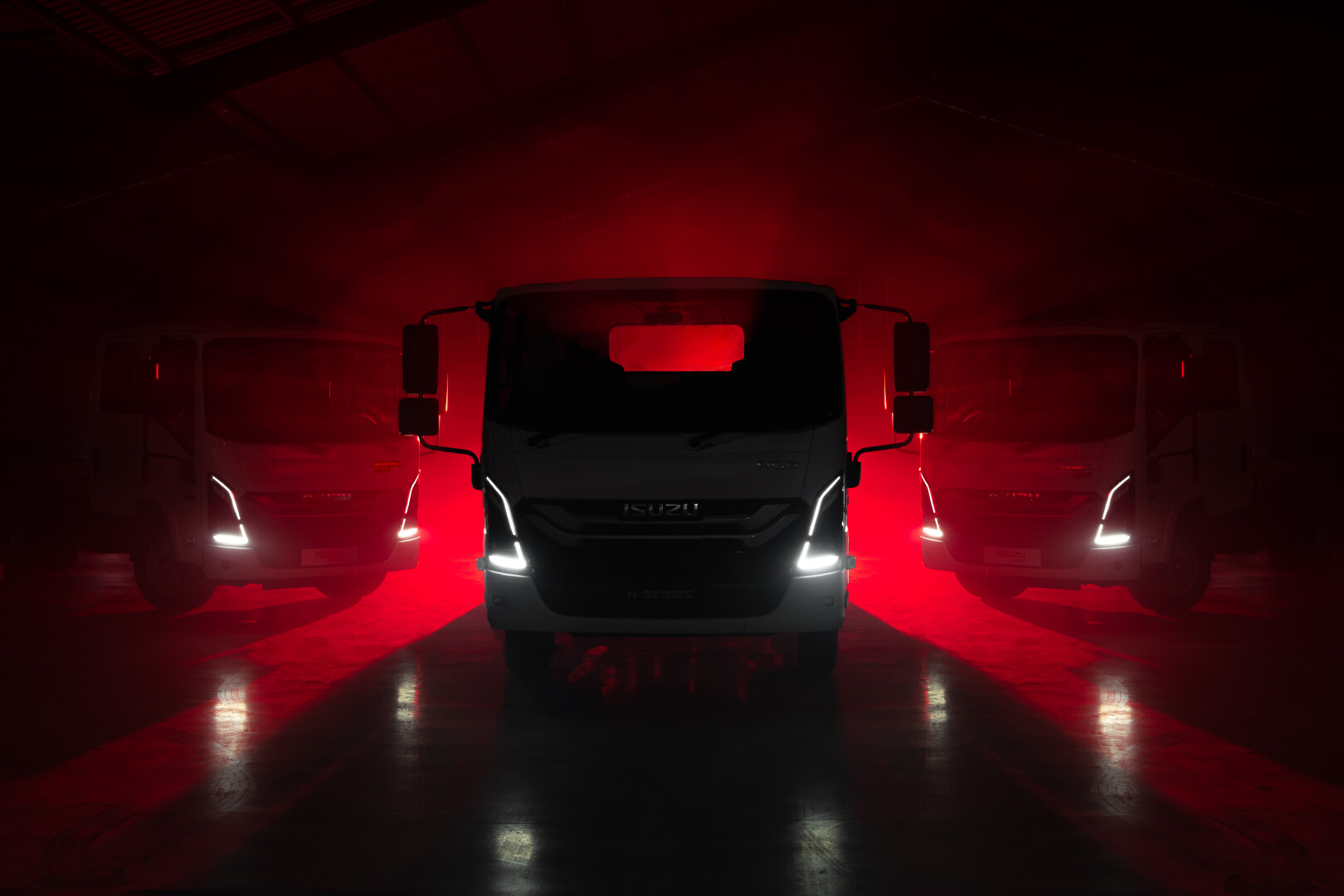
Isuzu Motors South Africa will officially introduce the next-generation N-Series light and medium-duty trucks to the market in November, marking a significant milestone in the company's history in the local commercial vehicle market. This comprehensive model change represents the culmination of extensive research, development, and a commitment to addressing the increasingly sophisticated and complex needs of South African fleet operators and businesses.

The new N-Series range, now in its seventh generation, is not merely an update but a strategic reimagining of the commercial vehicle platform, built upon the all-new Isuzu Modular Architecture and Component System (I-MACS). This global platform is engineered to accommodate future technologies and an expanding vehicle range, providing the flexibility to incorporate multiple powertrain options, including alternative energy solutions. While the immediate focus for the South African market remains on advanced, clean diesel technology, Isuzu is actively testing compressed natural gas and battery electric vehicle variants, with bio-compressed natural gas also under evaluation as a future-ready fuel solution.


“Our customers demanded a vehicle that can withstand harsh terrains while actively contributing to the profitability of their businesses. These new models are a result of that research, blending robust engineering with cutting-edge intelligence,” says Mpho Nkhumeleni, Department Executive for Commercial Vehicle Sales at Isuzu Motors South Africa.

“Technology only adds value when it works for the business. With the Next Generation range, we have focused on practical improvements that can support the driver while giving operators better tools to manage efficiency, safety and vehicle performance.”

A Range Engineered for Every Application

The initial lineup introduces key models designed for a variety of operational requirements, all equipped with cleaner Euro 5 emission-compliant engines:

- NMR 250 AMT: Available in short wheelbase and crew cab configurations, offering enhanced manoeuvrability for urban deliveries.
- NPS 300 AMT: Offered in single and crew cab derivatives, this model has been specifically optimised with a new Automated Manual Transmission (AMT) for superior off-road capability and driver guidance.
- NPR 400 CNG: The compressed natural gas variant, available with manual or AMT, is scheduled for introduction shortly after the launch, providing a lower-emission solution for urban and regional routes.
- NQR 550: This new model is strategically positioned at the upper end of the medium-duty segment, delivering increased payload capacity and enhanced operational efficiency.

Technology and Safety at the Forefront

The new N-Series is equipped with a host of technological advancements aimed at enhancing driver experience, fleet management, and safety:

- Advanced Powertrain and Transmission: The introduction of Euro 5-compliant engines with advanced exhaust after-treatment systems ensures significantly reduced emissions without the need for AdBlue or other additives, simplifying operation for fleets. The new AMT models, particularly on the NPS 300, feature built-in warnings and smoother control logic, providing enhanced durability and driver guidance, especially in demanding off-road conditions.
- Isuzu Insight Telematics: Each truck comes standard with a two-year subscription to the Isuzu Insight fleet management portal. This system provides comprehensive business intelligence dashboards, vehicle servicing reminders, and proactive alerts to optimise fleet efficiency. The service is opt-in by default, ensuring transparency and control for the customer.
- Uncompromising Safety Standards: Safety remains a cornerstone of the new N-Series. The cab is built to the rigorous ECE-R29 safety standard, providing superior occupant protection in the event of a collision. Enhanced visibility is provided by standard Bi-LED headlamps with Daytime Running Lights (DRL), LED fog lamps, and a new ‘wet wiper’ system that improves washability and visibility. Furthermore, the cab’s front panel incorporates energy-absorbing space to reduce injury to pedestrians and other vulnerable road users in low-speed impacts.
- Enhanced Driver Comfort and Ergonomics: The newly designed cab offers a more comfortable and productive work environment. Improvements include a more efficient air conditioning system, a smaller diameter steering wheel for better control and easier ingress/egress, a suspended accelerator pedal to improve foot clearance, and a new mechanical suspension seat for optimal driver support. The multi-information display in the instrument cluster provides key vehicle data, including fuel economy and an integrated engine hour meter, eliminating the need for aftermarket units.

Chassis and Electrical Upgrades for Superior Performance

The new N-Series platform features a strengthened, yet lightweight, chassis frame with a wider 850mm width and increased height for models from the NPR 275 upwards, contributing to greater stability and payload capacity. A new power-assisted braking system has been introduced to deliver more consistent and reliable braking performance across all models.

A New Chapter for Isuzu in South Africa

With the introduction of the seventh-generation N-Series, Isuzu Motors South Africa is not only reinforcing its leadership in the light and medium-duty truck segments but also demonstrating its long-term commitment to the South African market. This model change represents a significant investment in local operations and a clear vision for the future of commercial transport, balancing current performance needs with the forward-looking demands of decarbonisation and digital transformation.

https://bit.ly/4yFrqiU

Wednesday, 7 October 2026

Major investment by Isuzu

Major investment by Isuzu

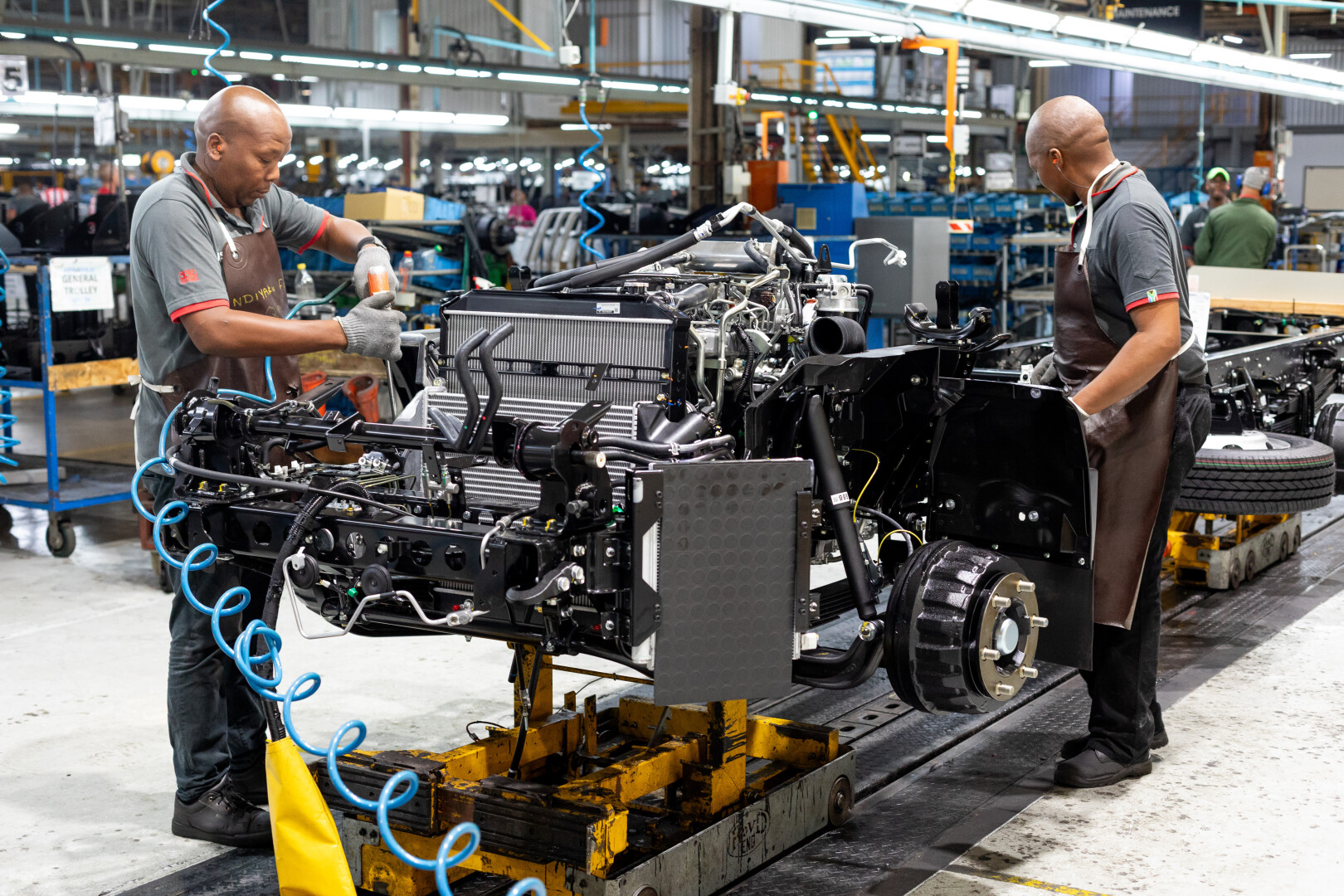
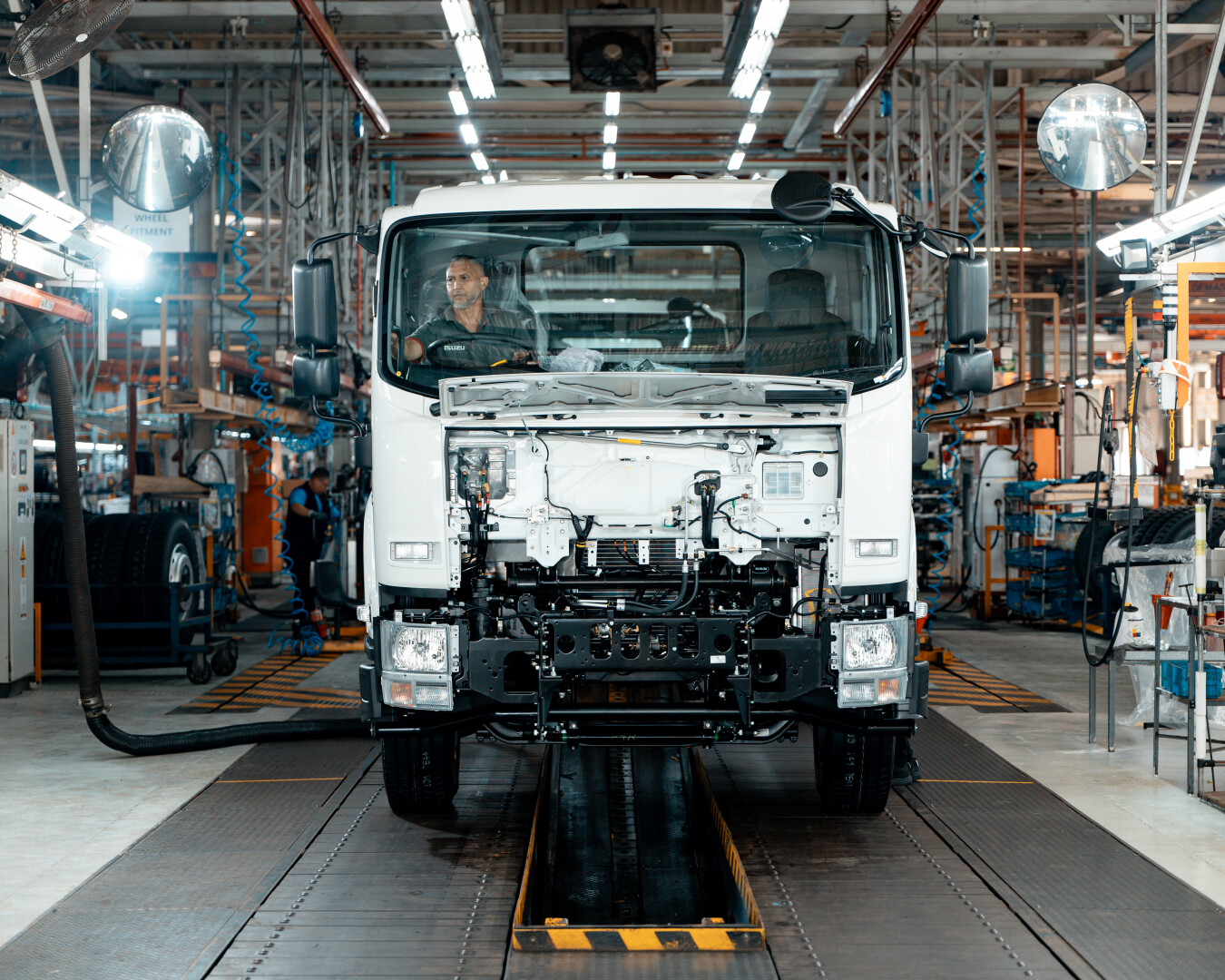
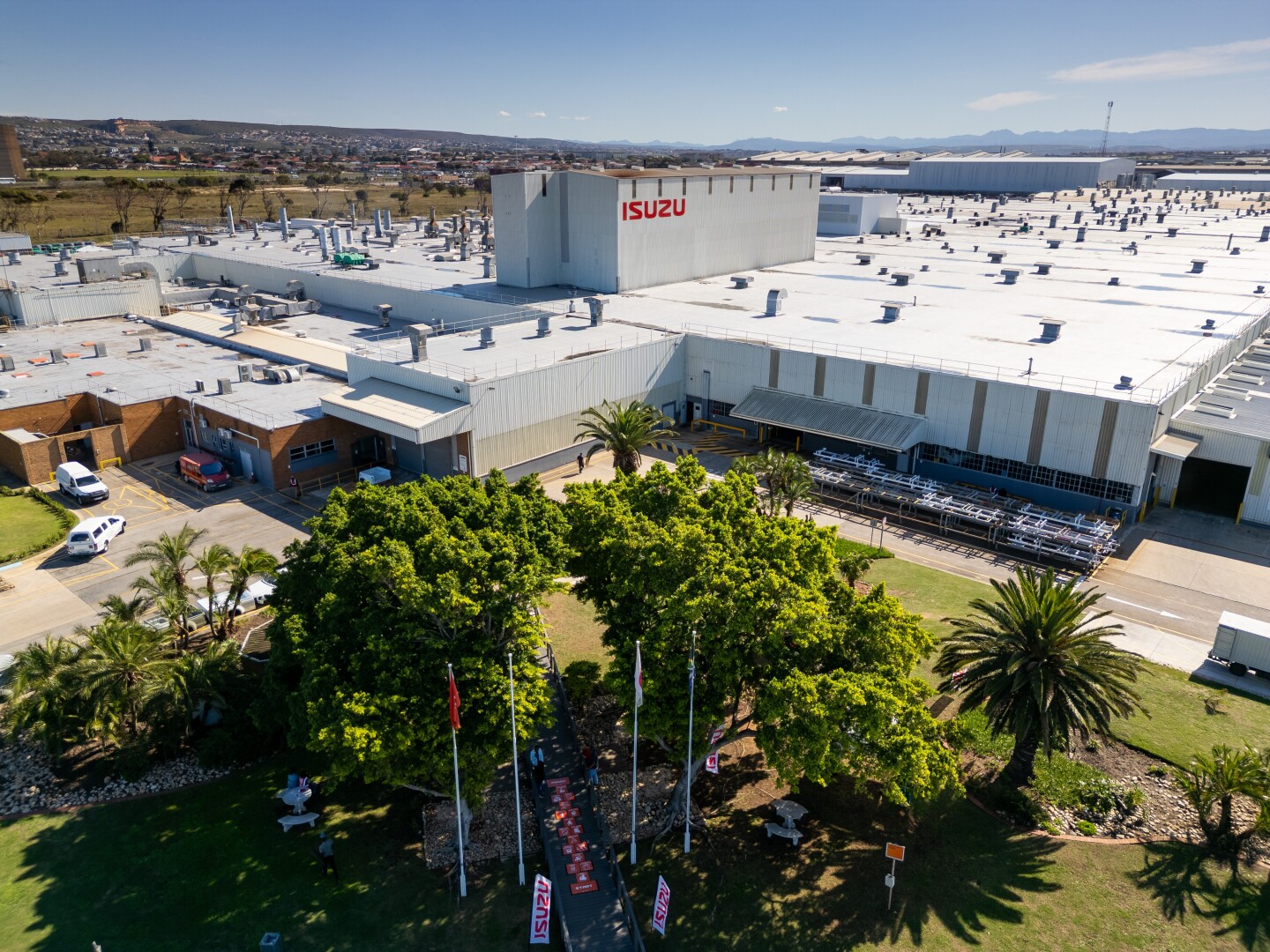
Isuzu Motors South Africa has invested just under R30 million in its commercial vehicle assembly plant in Gqeberha, a move the company says will strengthen local manufacturing capability and support its long-term commitment to South Africa's industrial and economic future.

The investment covers a range of upgrades across the commercial vehicle assembly operation. According to the company, the changes are intended to improve manufacturing capability and efficiency, strengthen quality control and digital traceability, improve employee safety and ergonomics, and support more sustainable production. Together, these improvements are expected to strengthen the plant's ability to manufacture commercial vehicles efficiently and competitively while responding to the changing needs of customers in South Africa and across the continent.


"This investment is about more than preparing our plant for a new generation of trucks. It reflects our long-term vision for manufacturing in South Africa and our confidence in the country's people, industrial capability and potential," said Johan Vermeulen, Executive Vice President: Manufacturing and Product Engineering at Isuzu Motors South Africa. "By continuing to invest in our Gqeberha operations, we are strengthening the capability and capacity needed to remain competitive and respond to the evolving mobility needs of customers across Africa."

Upgrades to the chassis and engine sub-assembly areas, as well as cab marriage, have strengthened the plant's manufacturing capability and operational flexibility. The extended chassis line allows the facility to accommodate additional stations for added content, while updated tooling and revised production layouts improve the plant's ability to support a broader range of commercial vehicle applications.

The investment also includes production and technology enhancements aimed at improving manufacturing efficiency and maintaining consistent build quality. Improved processes, tooling and digital traceability provide greater visibility across production and strengthen quality control, helping the plant manufacture vehicles more efficiently while maintaining Isuzu's build standards.

Employee wellbeing formed part of the plant upgrades, with safety and ergonomics considered in equipment selection, workstation design, lighting and workflow improvements. New equipment, including a fuel-tank gripper, lift-assist devices, a cab-marriage hoist, electronic torque tools and enhancements to the engine-dress process, is designed to reduce physical strain and support safer, more efficient working conditions for employees.

Sustainability considerations have also been incorporated into the upgrades through energy-efficient tools and motors, improved equipment and revised workflows designed to support more efficient use of resources. These improvements contribute to the company's broader focus on reducing the environmental impact of its manufacturing operations while improving operational efficiency.


The investment also strengthens the plant's progress in preparing for evolving commercial vehicle technologies. The implementation of the upgrades involved employees and cross-functional engineering teams across the business, bringing together manufacturing expertise, technology and continuous improvement to ensure the enhancements respond to both current operational requirements and future manufacturing needs.

Through continued investment in its Gqeberha operations, Isuzu Motors South Africa says it is strengthening the manufacturing foundation required to support its long-term growth while contributing to a competitive, resilient and increasingly sustainable automotive manufacturing sector in South Africa.


https://bit.ly/4rUfAPt

UD Trucks adds service exchange deal

UD Trucks adds service exchange deal

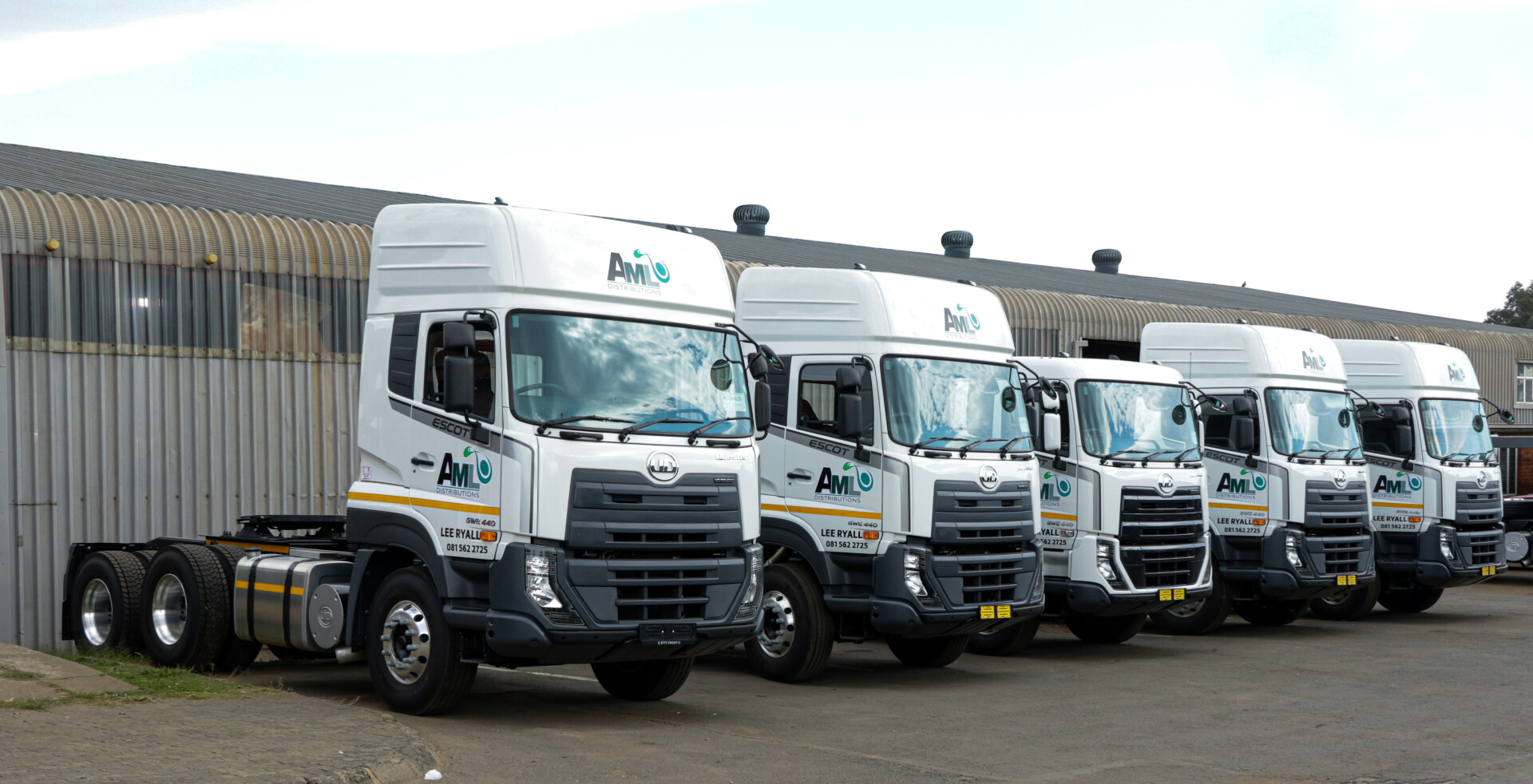
UD Trucks Southern Africa has introduced a Service Exchange Programme as part of a broader effort to strengthen its aftermarket offering. The programme gives customers an additional option when replacing major components, alongside repairing an existing part or buying a new one.

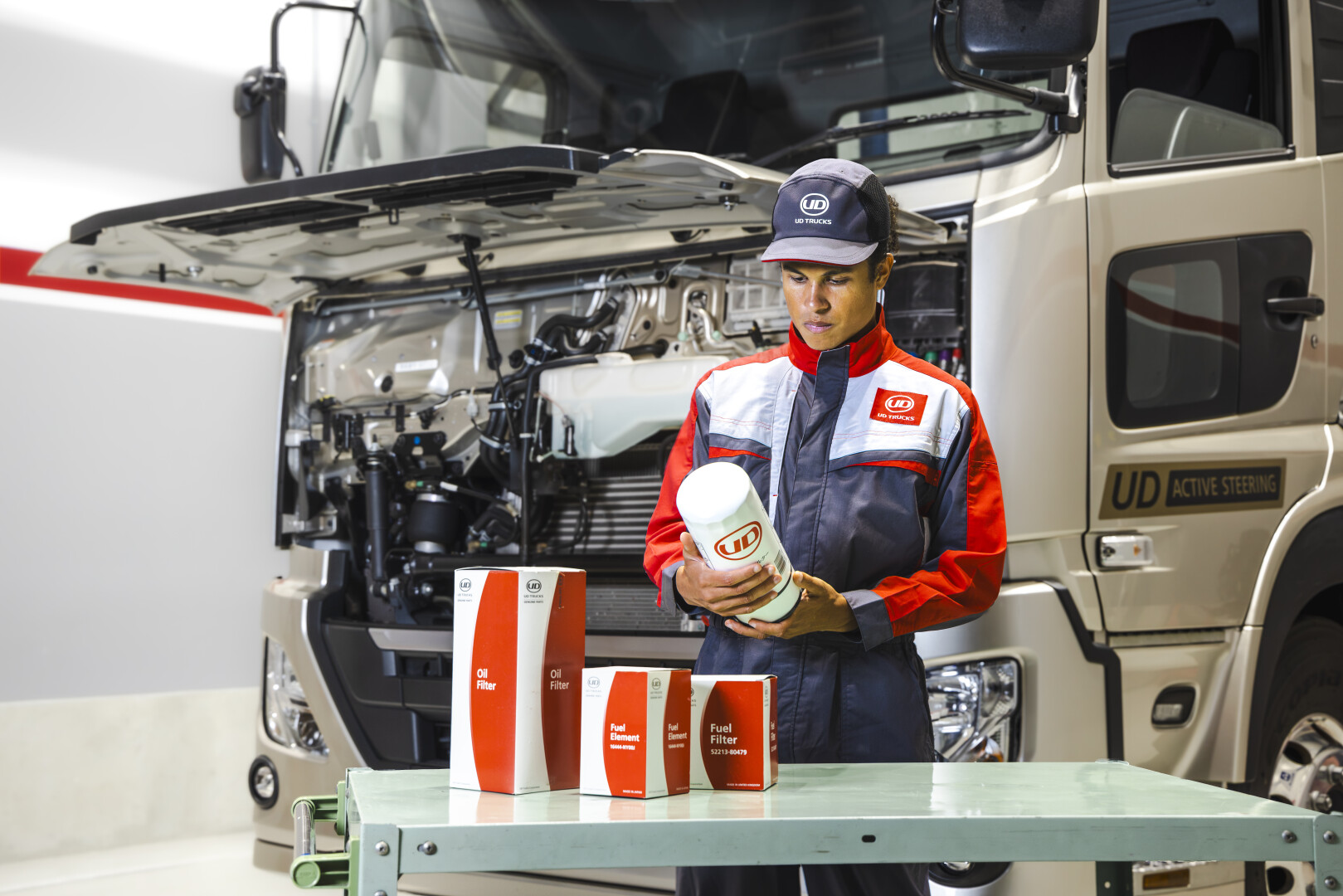
Under the programme, customers can exchange eligible worn or damaged components for professionally restored units. The offering launches with engines, gearboxes and injectors. UD Trucks plans to extend it to components such as cylinder heads, starters, alternators, turbochargers and retarders in later phases.

For operators of commercial vehicles, replacing a major component affects vehicle availability, operating costs and productivity. Service Exchange is intended to give customers another option to weigh up when making that decision.

Filip Van den Heede, Managing Director of UD Trucks Southern Africa, said the company's focus is on delivering value beyond the initial vehicle purchase and supporting customers throughout the life of their trucks.


When a component qualifies for replacement, a UD Trucks dealer assesses the vehicle and establishes whether a Service Exchange unit is available and suitable. The customer's worn component, referred to as the core, is returned according to programme requirements so it can potentially be restored and used again.

The option sits between repairing an existing component and buying a new replacement. Depending on the application, component availability and repair needs, UD Trucks says Service Exchange can help customers manage maintenance spending and vehicle downtime. Service Exchange components carry a one-year warranty, subject to the applicable terms and conditions.

Sanjay Naipal, Aftermarket Director at UD Trucks Southern Africa, said customers work in different environments and have different business priorities, so the aftermarket offering cannot be one-dimensional. He said Service Exchange adds another solution to the company's portfolio and allows it to engage with customers earlier in the repair decision.


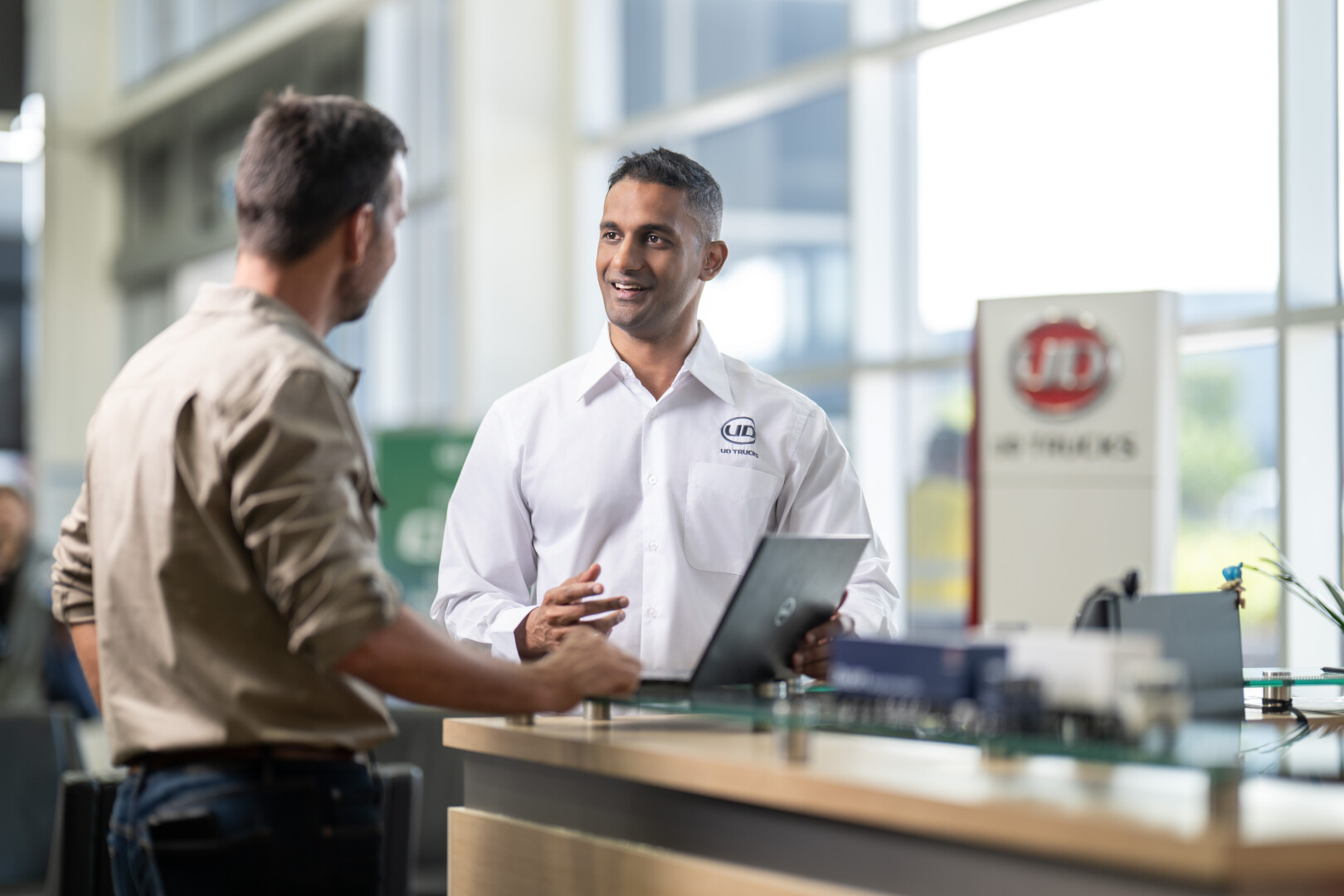
The programme also affects the dealer network. Service advisors and workshop teams can now discuss a wider range of options when a major component needs replacing. Instead of treating a replacement as a single transaction, dealers can help customers assess options based on vehicle application, component eligibility, availability, operating requirements and overall value. UD Trucks says this supports the dealer's role as a long-term business partner rather than only a point of repair.

Deon Fourie, General Manager: Commercial Parts at UD Trucks Southern Africa, said the programme gives dealers another way to show the value of the UD Trucks aftermarket and creates an opportunity for more meaningful discussions with customers about their operational needs. The aim, he said, is to help customers make informed decisions while keeping their vehicles productive. The programme also creates further opportunities for dealers to stay engaged with customers over the vehicle lifecycle.

Service Exchange also supports a more circular approach to component management. Suitable cores can be recovered, professionally restored and returned to service, which reduces the need for every replacement to result in a new component. UD Trucks says this supports both the commercial and sustainability objectives of its aftermarket proposition.

The introduction of Service Exchange forms part of the company's Ultimate Dependability offering, which brings together its aftermarket capabilities around three areas: Ultimate Value, Ultimate Partnership and Ultimate Performance.

The programme initially covers engines, gearboxes and injectors, with more components planned for future phases. Customers who need a replacement engine, gearbox or injector can contact their nearest UD Trucks dealer or service advisor to find out whether a Service Exchange solution is available for their vehicle. Dealers can provide information on component eligibility, availability, pricing, core-return requirements and warranty coverage.

https://bit.ly/4rOUn9z

Wednesday, 23 September 2026

UD Trucks positions itself as long-term partner for Southern African fleet operators

UD Trucks positions itself as long-term partner for Southern African fleet operators

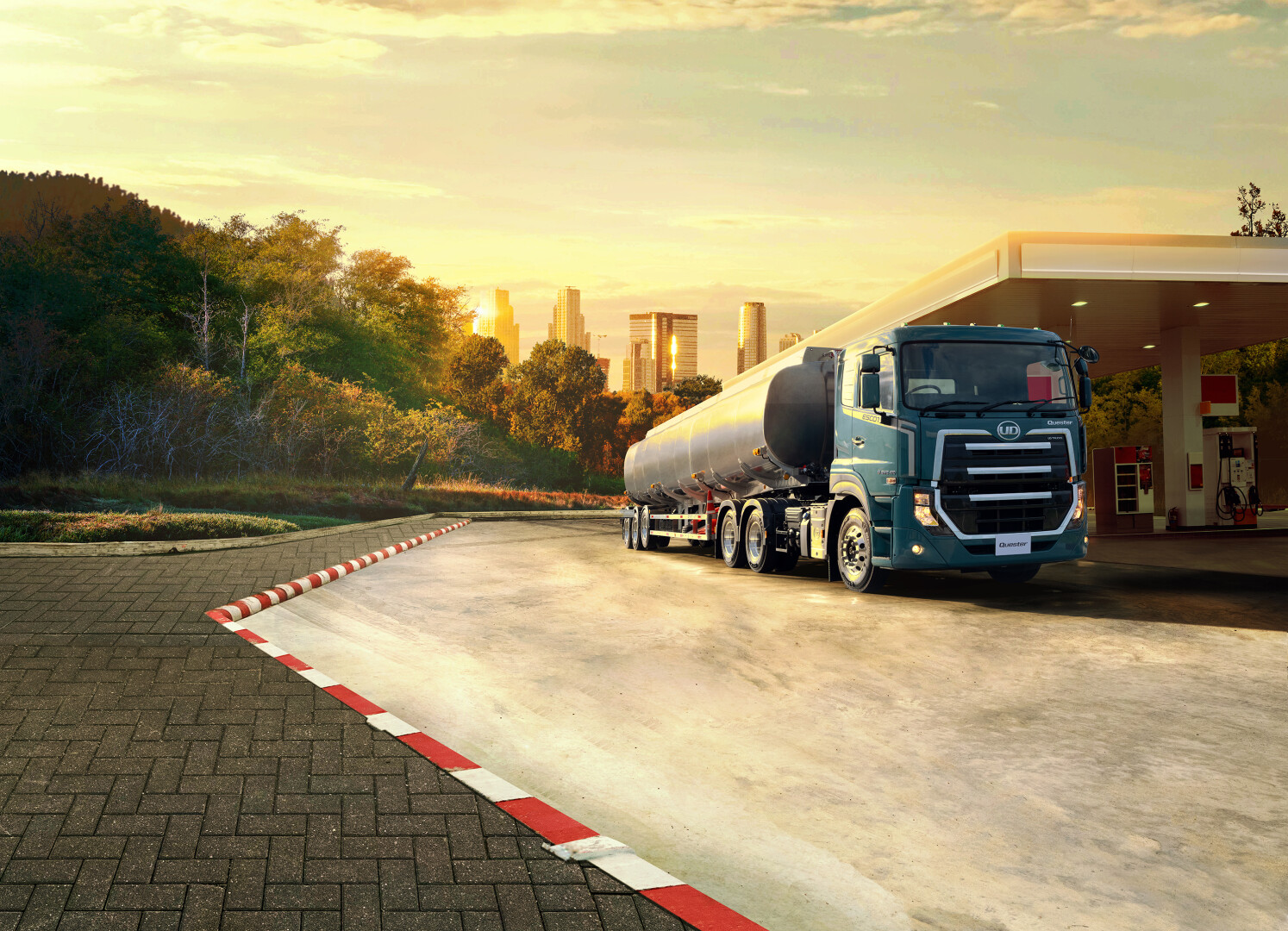
Transport operators in Southern Africa continue to face a difficult operating environment, with rising costs, driver shortages and mounting pressure to run leaner, more efficient fleets. In response, UD Trucks Southern Africa has outlined a broader approach to customer support, built around what it calls Ultimate Dependability, aimed at assisting operators for as long as their vehicles remain in service.

The company frames the initiative around three areas: partnership, performance and value, each intended to address a different part of a transport business's day-to-day operations.

On the partnership side, UD Trucks says it works to understand how individual fleets function rather than applying a one-size-fits-all approach. Tools such as My UD Fleet, Vehicle Health Monitoring and its Eco Coach Report and Fuel Consultancy service give operators data on vehicle performance, driver behaviour and fuel use, which the company says can help with decisions around utilisation and cost control. This is supported locally by UD Trucks' dealer network.


Filip Van den Heede, managing director of UD Trucks Southern Africa, said the needs of transport operators went beyond the vehicle itself. "Our customers operate in some of the most demanding transport environments, and their needs go far beyond the truck itself," he said, adding that the company's aim was to support customers throughout the working life of a vehicle, not only at the point of sale.

On performance, the company points to preventative maintenance, servicing and diagnostics as ways of reducing unplanned downtime. This includes UD Genuine Service, UD Certified Technicians, and UD Genuine Parts and Lubricants, along with services such as Remote Vehicle Diagnostics and Smart Service Planning that are intended to flag problems before they escalate. 

Driver training also features, with UD Driver Training aimed at improving how vehicles are operated on the road. The company has also introduced UD Smart Cam, currently available on selected Quester Truck Tractor models, as an added layer of driver support.

Sanjay Naipal, director of aftersales at UD Trucks Southern Africa, said the intention was for vehicles to keep delivering value well after purchase. "Our role is to help customers protect uptime through the right combination of genuine parts, professional service, maintenance expertise, diagnostics and technical support," he said.


The value component centres on total cost of ownership and return on investment. UD Trust Service Agreements offer structured maintenance planning, while UD Road Support provides roadside assistance and Mobile Workshop services bring technical support closer to where operators are based. Genuine parts and selected remanufactured components are positioned as a way of managing repair costs and turnaround times.

Naipal said the value a truck offered a customer was not limited to its purchase price. "It is about what that truck delivers for the customer over its entire working life," he said, describing the company's aftersales approach as centred on managing total cost of ownership while keeping vehicles on the road for longer.

Taken together, the three areas reflect an attempt by UD Trucks Southern Africa to position itself as more than a vehicle supplier, extending its role into maintenance planning, driver development and ongoing technical support. The company says this approach forms part of its broader positioning as a total transport solutions partner in the region.

https://bit.ly/4xBmn1t

Tuesday, 15 September 2026

Volvo Trucks Wins International Award for Electric Model

Volvo Trucks Wins International Award for Electric Model

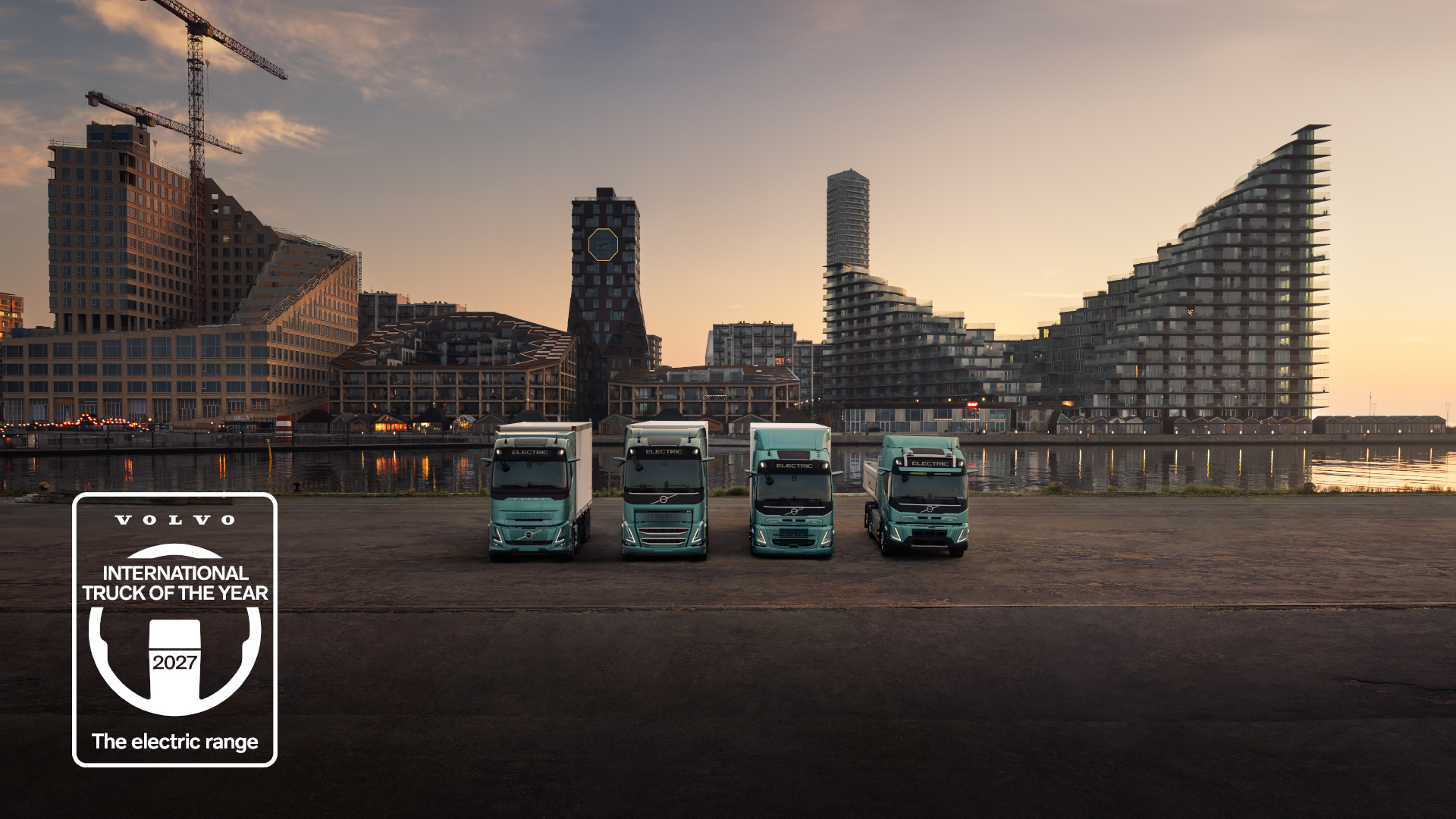
Volvo Trucks has received an international industry award for its electric truck range. The recognition marks the company’s eighth win of the accolade and the second time its FH Electric model has been named International Truck of the Year. The award acknowledges electric transport as a workable option across a growing number of applications.

The heavy-duty electric line-up, which includes the Volvo FH, FM, FMX Electric and FH Aero Electric, was selected as International Truck of the Year 2027. According to the company, the range offers a driving distance of up to 700 km, along with improved payload capacity and shorter charging times than earlier models. It is intended for regional and long-haul transport, city distribution, construction and utility work.


The jury noted how Volvo has expanded its electric portfolio beyond a single vehicle or use case. It highlighted the combination of longer range, different cab and chassis configurations, and various solutions that can be adapted to different transport tasks.

Florian Engel, chairman of International Truck of the Year, said the winning range represents a significant development in the company’s battery-electric heavy-duty offering. He added that it shows how quickly battery-electric heavy-duty transport is shifting from individual applications towards a broader transport solution.

Roger Alm, president of Volvo Trucks, received the award during a ceremony at IAA Transportation in Hanover, Germany. He said the recognition confirms the company’s position in electromobility and noted strong demand for the new electric trucks, with the order book almost full. According to Alm, the range allows more operations to choose transport with zero tailpipe emissions.

Since 2019, 7,000 electric Volvo trucks have covered 500 million kilometres worldwide. Close to 2,000 customers in more than 50 countries currently use electric Volvo trucks in their daily operations.

Volvo Trucks offers eight electric truck models designed for a range of transport assignments. Over seven years of electrification, the company has developed expertise in optimising energy usage, charging and service for electric trucks.

The International Truck of the Year organisation was established in 1977 and consists of 24 commercial vehicle journalists from major trucking magazines across Europe. The annual award goes to the truck introduced to the market in the previous 12 months that has made the most significant contribution to road transport efficiency. Judges assess criteria including technological innovation, comfort, safety, drivability, energy efficiency, environmental impact and total cost of ownership.

https://bit.ly/4htJvKo

Monday, 14 September 2026

Africa Automotive: ARC Ride Launches Electric Motorcycle Fleet with $33M

Africa Automotive: ARC Ride Launches Electric Motorcycle Fleet with $33M

Kenyan electric mobility company ARC Ride has closed a US$33,3-million funding round, equivalent to approximately R538-million and confirmed its entry into the South African market alongside planned expansions into Ghana, Tanzania and Uganda.

The equity and debt round was led by Norrsken22 and Novastar Ventures, with participation from the International Finance Corporation, British International Investment and Proparco. Existing investors Musashi Seimitsu and Talanton also committed further capital, while debt financing came from BII's Kinetic programme and Mirova.

ARC Ride operates a battery-as-a-service model for two and three-wheeler transport. Rather than purchasing batteries outright, riders exchange depleted units for charged ones at swapping stations, reducing upfront costs. Its clientele includes Yadea, one of the world's largest electric vehicle manufacturers.


The company has already begun operations in South Africa following a pilot in Cape Town, with a vehicle rollout underway in Gauteng. The funding will support the addition of 5 000 motorcycles to its fleet and expansion of its battery-swapping network.

ARC Ride founder Jo Hurst Croft said the funding would allow the company to scale the infrastructure required to support the transition to electric mobility across the continent.

The expansion into South Africa comes as the country's automotive export sector confronts a regulatory deadline in its largest market.

The Motor Industry Staff Association has warned South Africa risks losing access to its largest automotive export market unless government urgently enacts an end-of-life vehicle regulatory framework.

Approximately three out of every four vehicles exported from South Africa are destined for Europe. According to Naamsa's 2026 Automotive Trade Manual, the total export value of vehicles and automotive components reached R291-billion in 2025, with R182,8 billion, or 62,8%, going to the European Union and the United Kingdom.

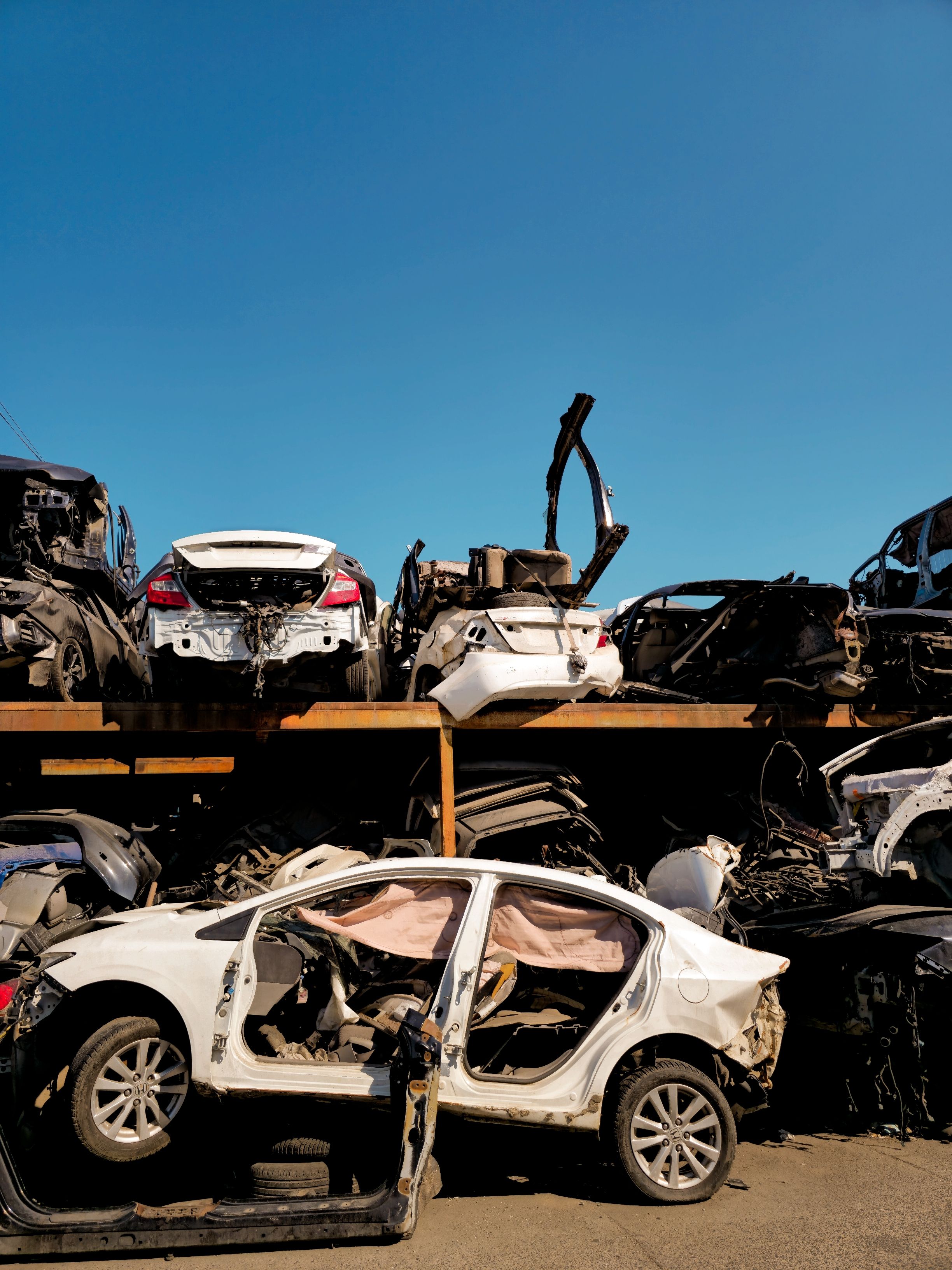
The EU's Regulation 2026/1738 on circularity requirements for vehicle design and management of end-of-life vehicles entered into force on August 13 and introduces requirements covering circular vehicle design, recyclability, digital documentation and recycled material content.

New vehicles will have to contain at least 15% recycled plastic from September 2032, increasing to 25% from September 2036.


MISA argues a domestic ELV framework would help the local automotive industry recover recycled materials and align with the EU's requirements. The union maintains that establishing a formal framework would also create an industrial opportunity to protect existing employment and create new jobs.

South Africa's automotive sector contributes 5,2% to gross domestic product and supports around 500 000 formal jobs across the wider automotive value chain.

The Department of Trade, Industry and Competition has established a task team to evaluate the terms of reference for an end-of-life vehicle strategy, though timelines for implementation remain unclear.

BYD, which has a growing footprint in South Africa appears to looking for investment opportunities in Tunisia, including the possible creation of companies and development of activities beyond the manufacturer's current commercial presence.

BYD is distributed in Tunisia by Hélios Cars. The manufacturer recorded 857 cumulative registrations between January and July 2026 across plug-in hybrid and fully electric segments, leading the former with 564 units and placing second in the latter with 293 units.

The Tunisian side highlighted the country's position as a logistics crossroads between Europe, Africa and the Arab world, its automotive sector already integrated into international value chains, and an experienced workforce. Discussions covered automobile production, electrical infrastructure for electric and hybrid vehicles, and possible technology transfers in energy.

Chinese companies have announced approximately US$6-billion in investments in Morocco since the pandemic, according to the Financial Times. Projects span from Tangier to Kenitra, covering battery materials, tires and vehicle components.

Battery manufacturer Gotion High-Tech is building a US$1,3-billion factory in Kenitra. Guizhou Tire is establishing a passenger vehicle tire facility in Tangier Tech City with a planned investment of approximately US$298,7-million.

Wake up South Africa!

https://bit.ly/3TrLJRu

Friday, 4 September 2026

Ford SA Marks Centenary with Pledge to Drive Industrialisation Forward

Ford SA Marks Centenary with Pledge to Drive Industrialisation Forward

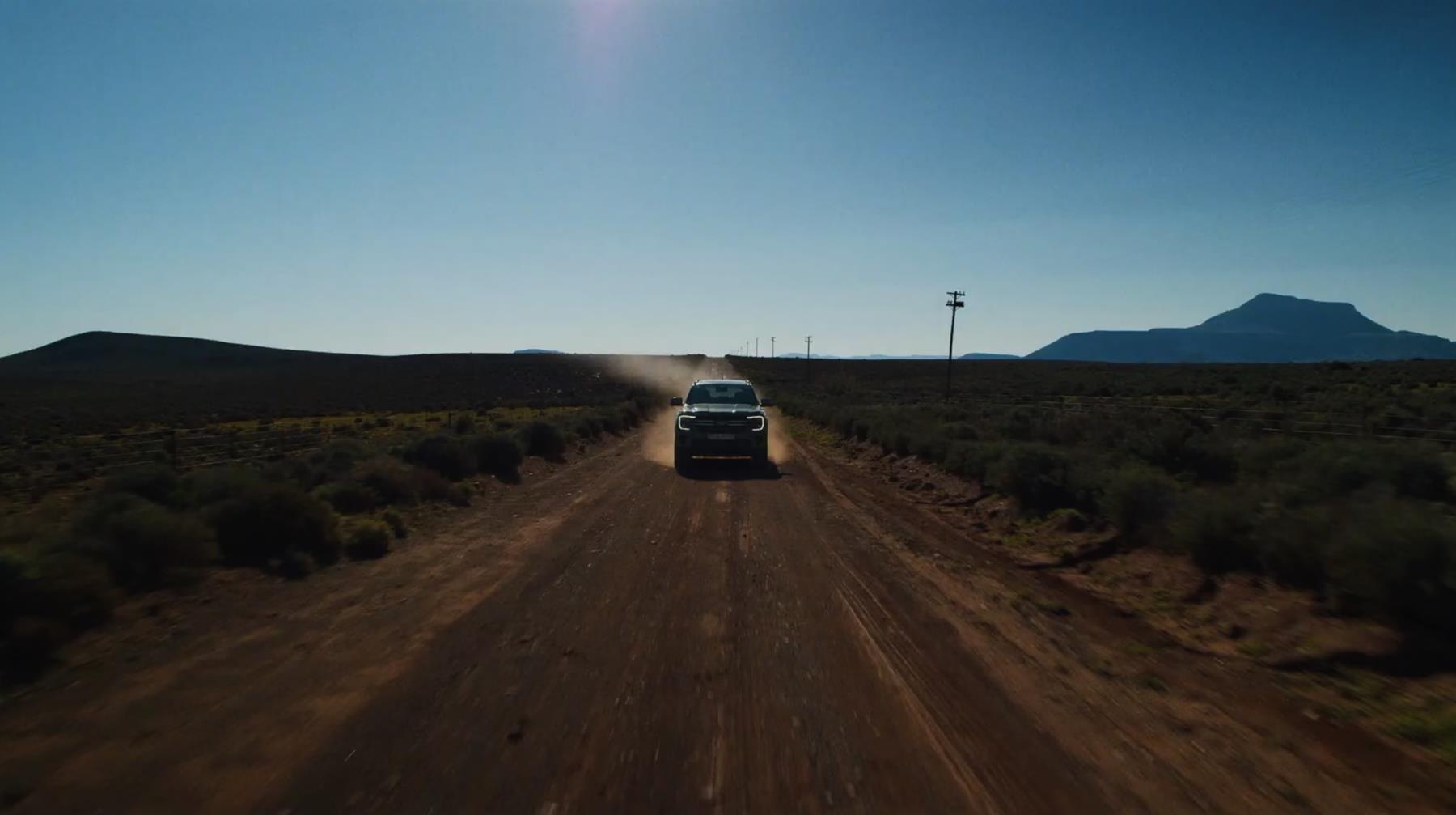
Ford Motor Company of Southern Africa has marked its 100th year in the country with the release of a corporate manifesto that reaffirms its commitment to local manufacturing, skills development, and policy reform. The document, unveiled by Africa Operations President Neale Hill, signals a shift from commemorating the past to shaping the next phase of the company’s role in the domestic economy.

Hill described the manifesto as a deliberate statement of intent, rather than a commemorative exercise.

“When you reach a milestone, the tendency is to look back. But that is not what the economy or the automotive sector needs right now,” he said. “We are facing significant changes, and our focus must be on clarity about the future.”

The company has called on government, industry bodies, and other stakeholders to collaborate on creating conditions that allow local manufacturers to compete effectively against imported vehicles. Hill noted that while many companies position themselves as invested corporate citizens, few have a track record spanning generations.

“This is not a marketing exercise. It is a signal that we are moving from a moment of celebration to a sustained focus on national momentum,” he said.


Policy Concerns and Competitive Balance

Beyond its symbolic value, the manifesto carries a clear policy message. Ford has raised concerns about the structural advantages enjoyed by importers who do not carry the same capital, employment, or skills development obligations as local producers. Hill stressed that the company has long functioned as more than a manufacturer, describing Ford as a builder of industry capability, community infrastructure, and national skills.

“We will continue to invest, build, and employ. But we also need policy and regulatory conditions that allow us to compete fairly,” he added. The company is advocating for the continued refinement of programmes such as the second phase of the Automotive Production and Development Programme (APDP2) to ensure that investors are not placed at a disadvantage relative to those who do not share the same level of commitment to South Africa.

Hill emphasised that the push for fairness is not about protectionism. “It is about protecting the substantial investments already made in this country, and those still to come, from being undermined by uneven operating realities,” he said.

A Call for Collective Action


Ford has extended an invitation to policymakers, industry partners, and fellow manufacturers to support a regulatory framework that encourages local industrialisation, safeguards existing investment, and fosters continued growth. The company believes that a balanced playing field benefits not only manufacturers but also the hundreds of thousands of South Africans whose livelihoods depend on a stable automotive sector.

The manifesto will be distributed across brand, dealer, and internal communications channels. It forms part of Ford’s broader strategy to reinforce its long-term commitment to local production, export growth, and community investment. According to Hill, the document represents the company’s clearest public pledge to build on its century-long heritage while advocating for an industry that remains competitive, sustainable, and rooted in South African capability.

https://bit.ly/4iMnV4Y

Thursday, 3 September 2026

Mercedes-Benz Delivers Low Entry Buses for Putco

Mercedes-Benz Delivers Low Entry Buses for Putco

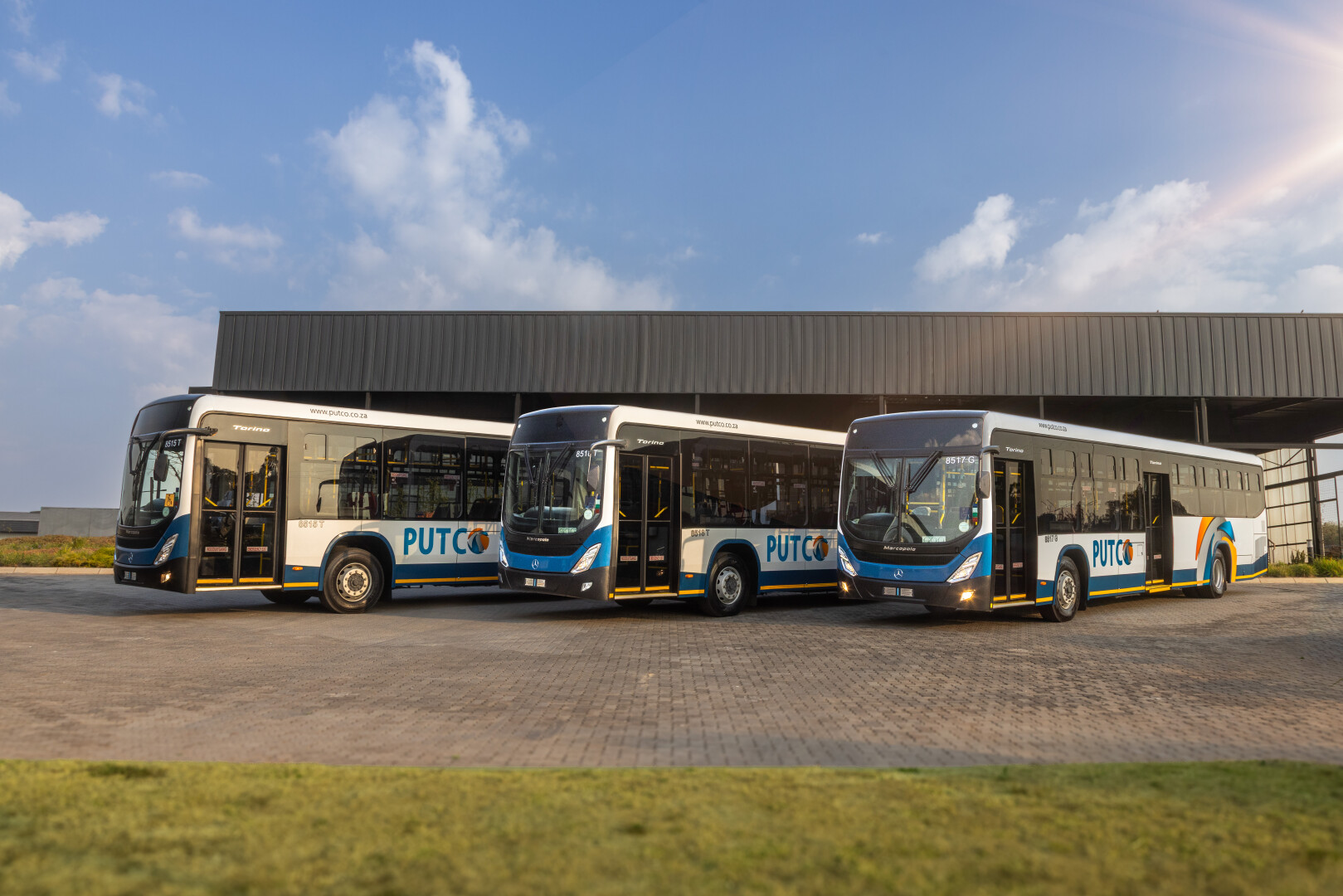
In a significant step towards inclusive public transport, Putco has taken delivery of six Mercedes-Benz Low Entry buses designed specifically with universal accessibility as a core principle from the outset.

The vehicles, built on the Mercedes-Benz OH 1826 LE Euro 5 Low Entry Bus Chassis and fitted with the Marcopolo Tourino G7 Low Entry Body, represent the first universally accessible buses to join the Putco fleet. Their design makes boarding and alighting considerably easier for elderly passengers, people living with disabilities, parents travelling with young children, and commuters with limited mobility.

The new buses come equipped with fitted ramps and dedicated space for wheelchairs, along with priority seating for passengers who may require it. The buses can also lower themselves closer to pavement level to further improve accessibility. Importantly, Putco engaged with organisations including the South African Disability Alliance and the National Council for Persons with Disabilities throughout the design process to ensure the vehicles responded to the real needs of passengers living with various disabilities.

"This handover is about more than delivering buses," said Deon de Vries, General Manager for Mercedes-Benz Buses in Southern Africa. "It reaffirms Mercedes-Benz Buses and Putco's shared commitment to delivering safe, dependable and customer-focused transport solutions that support South Africa's public transport network." 

Deon de Vries and Mandy Latimore

Franco Pisapia, Chief Executive Officer of Putco, described the occasion as a significant day for the company. "These low-entry buses are the result of a true partnership between an operator, a chassis manufacturer and a body manufacturer. What started as an idea evolved into a design, then a prototype, and today that prototype has become the foundation for a new generation of more accessible buses for Putco," he said.

The project is part of a broader trend in South Africa towards more accessible public transport. In the Western Cape, GO GEORGE has also made significant strides, with every bus in its fleet – whether mini, midi or standard – fitted with ramps or hydraulic hoists to ensure dignified boarding for passengers with mobility impairments. The service reports that passengers with disabilities make up 0,85% of total ridership, amounting to more than 4 000 trips monthly. Western Cape Mobility Minister Isaac Sileku has described accessibility as "not an add-on; it is a fundamental right”.

Putco already runs two buses accommodating people with disabilities in the Soshanguve and Mpumalanga regions, with the Mpumalanga bus transporting disabled learners to schools and the Soshanguve bus providing daily transport to the Tshwane CBD for work purposes.

Disability inclusion specialist Mandy Latimore, who took part in consultations, said the introduction of the buses marked a major step towards greater accessibility in public transport, while noting that truly accessible mobility also depends on infrastructure at bus stops, interchanges and destinations.

"For Putco, accessibility is not just about buses," Pisapia added. "It is about connecting people to opportunities and ensuring that no one is left behind”.

The six buses are expected to enter service on Putco routes shortly. The company, which transports more than 230 000 commuters daily across Gauteng, Mpumalanga and Limpopo, has not yet indicated which routes will be served by the new vehicles.

https://bit.ly/3UQ5tys

Wednesday, 2 September 2026

Isuzu Motors Achieves 38% Emission Reductions

Isuzu Motors Achieves 38% Emission Reductions

Isuzu Motors South Africa (IMSAf) has published its 2026 Sustainability Report, detailing what the company describes as measurable gains across environmental performance, skills development and local supply chain strengthening.

The report tracks the company's movement against the Isuzu Environmental Vision 2050 and aims to show how sustainability considerations have been worked into operations rather than treated as a separate function.

On the environmental front, IMSAf recorded a 38% reduction in carbon emissions compared with its 2013 baseline, even as production volumes increased over the same period. Water efficiency improved by 8,05%, and the company maintained its Zero Waste to Landfill status for the ninth year running, with 95 % of operational waste being diverted through recycling and other resource management measures.

In terms of cleaner transport options, IMSAf continues to offer Compressed Natural Gas trucks and dual-fuel CNG/Diesel technology to the local market. A dedicated Clean Technology and Engineering Trial Unit has been set up to assess and develop next-generation lower-emission mobility solutions, with the aim of supporting South Africa's broader move toward reduced carbon emissions in the transport sector.

Since 2019, the company has put R51,49-million into youth development programmes, reaching 554 young people through its Youth Employment Service and Graduate-in-Training initiatives. Of those, 132 have been taken on in permanent roles, with the graduate programme achieving a permanent employment absorption rate of 69,2 %.


On the supply chain side, IMSAf invested R510-million in supplier development and tooling during the reporting period. This included the development of 729 vendor tools and the localisation of 250 components for the new Isuzu D-MAX. Logistics optimisation work resulted in a reduction of 500 tonnes of CO₂ from transport-related emissions, while seven emerging suppliers were brought into the company's incubation programme as part of its shared-value approach to manufacturing.

Billy Tom, President of Isuzu Motors South Africa, said the report shows how the business is trying to deliver value beyond vehicle production. He noted that sustainability is not treated as a separate initiative but as a core part of how the company operates, and that the success of the business is tied to the success of its employees, communities and the environment. He also stressed that progress depends on collaboration across the value chain, whether with suppliers, young people in training programmes or community partners.

The company also invested more than R1,3-million in a sustainability data management system to improve reporting accuracy and environmental performance tracking. Better data oversight helped the business avoid more than R500 000 in utility costs through earlier identification of inefficiencies and quicker corrective action.

The release of the 2026 Sustainability Report forms part of IMSAf's ongoing commitment to the Isuzu Environmental Vision 2050 and to transparent reporting practices. The full report is available on the company's website.

https://bit.ly/46AeZbx

Tuesday, 1 September 2026

VWGA Celebrates 75 Years with New School in KwaNobuhle

VWGA Celebrates 75 Years with New School in KwaNobuhle

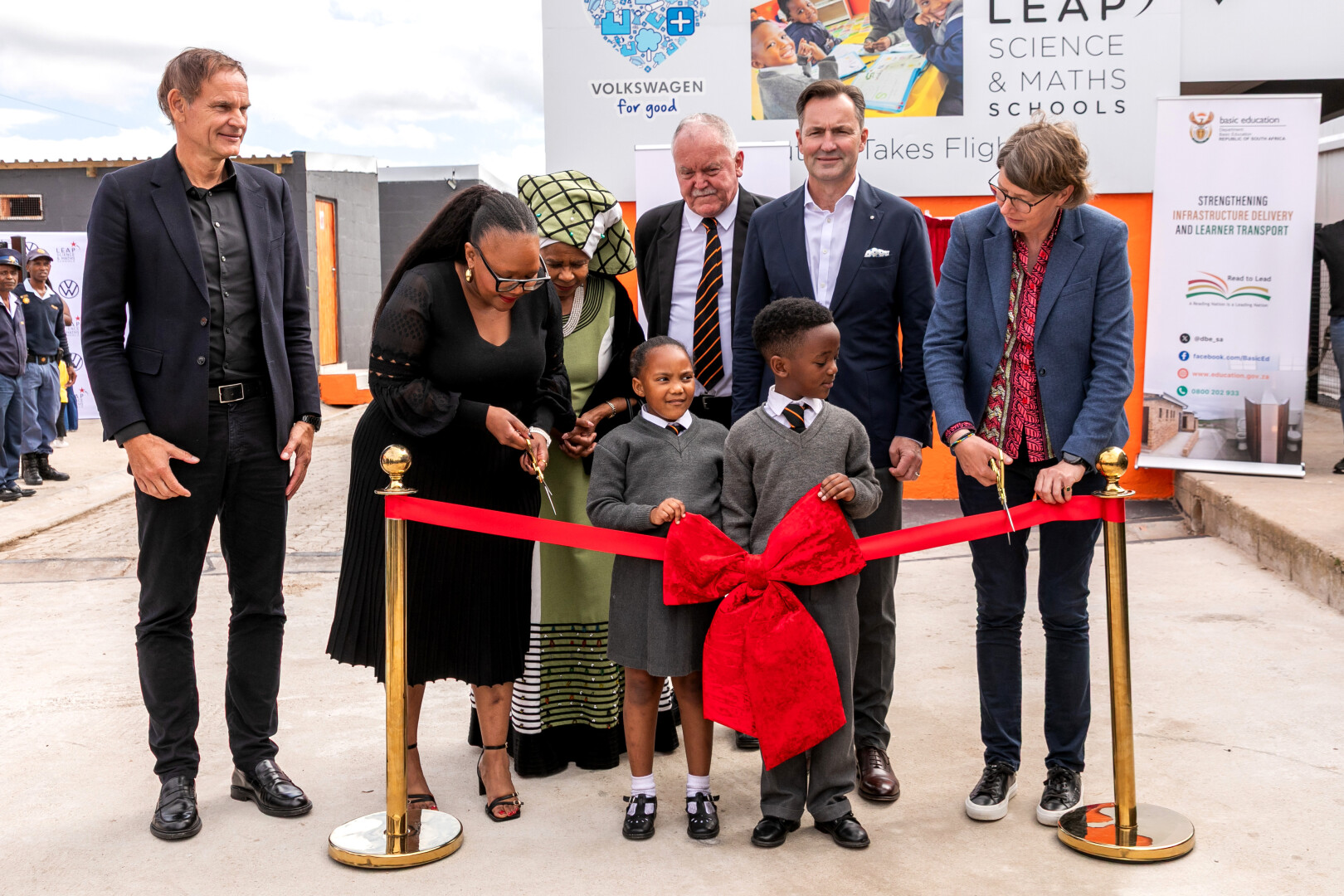
Volkswagen Group Africa (VWGA) has marked its 75th anniversary in South Africa by opening a new science and mathematics school in KwaNobuhle, in partnership with the LEAP Institute.

The LEAP 9 Science and Mathematics School was officially opened on August 31, 2026 and is intended to strengthen education in these subjects for learners from KwaNobuhle and the surrounding areas.

Present at the opening ceremony were Minister of Basic Education Siviwe Gwarube, Nelson Mandela Bay Mayor Babalwa Lobishe, Volkswagen Group CEO Oliver Blume, and Global Volkswagen brand CEO Thomas Schaefer.

The school building had been abandoned and in a state of disrepair for a number of years before its refurbishment. It now accommodates learners in Grades 1, 2 and 8, with additional grades to be introduced over time. The school is expected to reach full operational capacity by 2034, supported by a multi-million-rand investment in infrastructure and operations.

The project is part of Volkswagen’s broader cradle-to-career approach to education. The company is already involved in several educational initiatives in and around Kariega, including the Ikhwezi Lomso Early Childhood Development Centre, the Kutlwanong Maths Centre and the loveLife Youth Centre.


Nonkqubela Maliza, VWGA’s Director of Corporate and Government Affairs, said the school is focused on providing quality education in science and mathematics, which the company regards as key areas for learning. “These subjects are the foundation for growth, for innovation and for empowerment.”

The LEAP Institute is a non-governmental organisation with over two decades of experience in science and mathematics education. It works to equip young people with the skills needed to pursue further studies and enter meaningful careers.

Maliza added that LEAP’s track record in strengthening maths and science education made it a suitable partner for establishing a primary and high school in KwaNobuhle, an area where many Volkswagen employees live.

VWGA Chairperson and Managing Director Martina Biene also attended the opening. She spoke about the importance of the company’s relationship with the communities near its Kariega plant. “One of our defining traits as a company is we are a responsible corporate citizen. A responsible corporate citizen is a company that is as much a part of the community as your neighbours.”

Biene described the partnership with LEAP as the beginning of a new phase for both VWGA and the KwaNobuhle community. She noted that Volkswagen has maintained a long-standing presence in the region and that the new school represents another step in that engagement. “As we start down a new road with LEAP and the community of KwaNobuhle, I am excited to see the impact that lies ahead, and the successful futures this partnership will shape for the youth of KwaNobuhle,” she added.

https://bit.ly/3T5VVPm

Monday, 31 August 2026

Navigating Change in South Africa's Automotive Aftermarket

Navigating Change in South Africa's Automotive Aftermarket

The South African automotive aftermarket is facing a period of notable transition, shaped by technological shifts, changing buyer habits and the arrival of new players challenging long-standing business approaches. This was the central discussion point at the Automechanika Johannesburg CEO Breakfast, hosted by Messe Frankfurt South Africa and Nedbank at the Kyalami Grand Prix Circuit, held alongside the 9th Festival of Motoring.

Opening the dialogue, programme director Andile Africa, CEO of the Automotive Industry Development Centre (AIDC), observed the combined effect of new technologies, evolving consumer patterns and fresh market entrants is altering the operational landscape for aftermarket businesses.

Michael Dehn

Michael Dehn, Managing Director of Messe Frankfurt South Africa, set the scene for attendees by drawing a clear link between the two events. “The Festival of Motoring reflects the energy of the market and Automechanika provides the structural support. This is where those elements converge.”

Breakfast speakers explored several factors currently influencing the sector, including vehicle affordability, local parts production, the role of artificial intelligence, and the broader economic environment.

Affordability, Local Content, and Customer Shifts

Brandon Cohen, National Chairperson of the National Automobile Dealers Association (NADA), said purchase price is only one part of the affordability equation. Buyers are now weighing fuel economy, insurance premiums, tracking system requirements, finance terms, maintenance schedules, reliability records, parts availability and dealer networks before making a decision.

He pointed out longer finance periods and extended ownership cycles are contributing to an ageing vehicle parc in South Africa, which in turn generates work for workshops and parts suppliers but also adds pressure to household finances.

“The consumer journey tends to start with total cost of ownership,” Cohen said. He added dealers need to rethink their business models, manage overheads carefully and compete on overall value over the vehicle’s lifetime rather than just the sticker price.

Duane Newman, Partner at EY, spoke about opportunities to increase local manufacturing of aftermarket components. He identified lead-acid batteries, automotive glass and brake pads as areas with strong potential for domestic production, based on current demand, replacement cycles and existing manufacturing capability.

However, he cautioned cheaper imports, limited production scale, investment hurdles, input costs and inconsistent quality enforcement continue to hold local producers back. Newman called for clearer certification standards, improved recycling and feedstock systems, better export access, coordinated industry demand and targeted incentives to support suppliers focusing on the independent aftermarket.

“A coordinated push involving industry, government and institutional partners will be necessary to unlock the full value of localisation,” he said.


Technology, Resilience, and the Path Forward

Werner Stucky, CEO of Stubber, encouraged automotive leaders to view AI as an operational tool rather than a purely IT-driven initiative. He described the potential for autonomous digital systems to handle customer interactions, sales queries, finance applications, service bookings, roadside assistance and administrative tasks in a consistent manner across large volumes.

According to Stucky, the critical factors now are leadership, process redesign, and organisational readiness. “Companies that apply AI effectively can shorten response times, enhance customer experience, and expand service capacity without lowering diligence standards.”

Nicky Weimar, Group Chief Economist at Nedbank, offered a measured economic perspective for the automotive industry. She opined producers and exporters are contending with rising domestic operating costs, changing global trade dynamics, strong competition from lower-cost imports and currency volatility. On the domestic side, vehicle demand has held up relatively well, supported by real income growth and credit appetite, though momentum may ease into 2027.

Weimar highlighted that inflation, fuel prices, energy disruptions, and possible interest rate adjustments remain risks for both businesses and consumers. “The picture is not straightforward, particularly for producers and exporters who face multiple headwinds,” she said, while adding domestic demand continues to offer a counterbalance for South Africa’s automotive value chain.

https://bit.ly/4iB8gW3

Ford's Apprenticeship Program: Building Skills for the Future

Ford's Apprenticeship Program: Building Skills for the Future

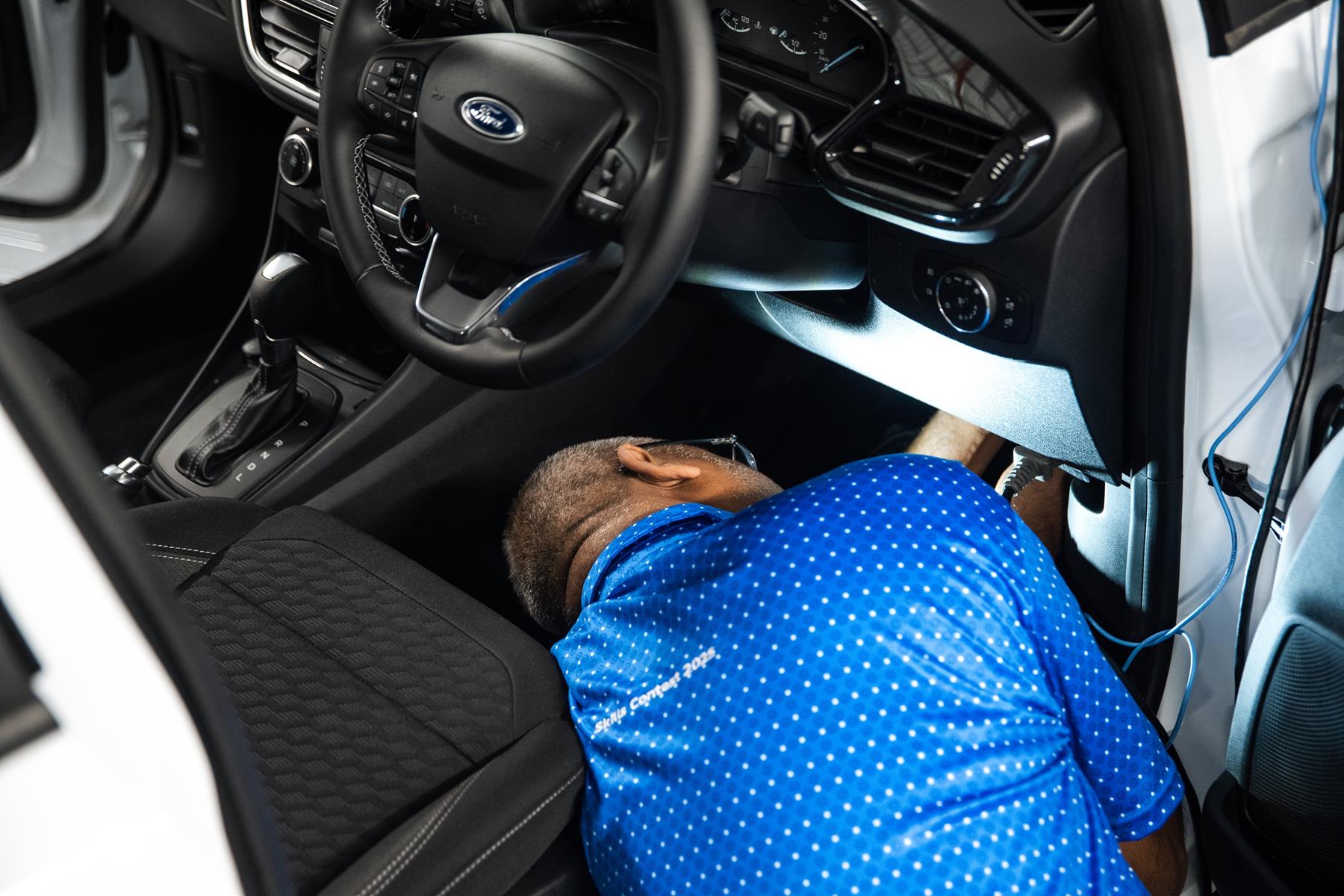
Ford Motor Company of Southern Africa has launched an apprenticeship programme aimed at addressing the shortage of technical skills in the automotive industry while creating career pathways for young South Africans.

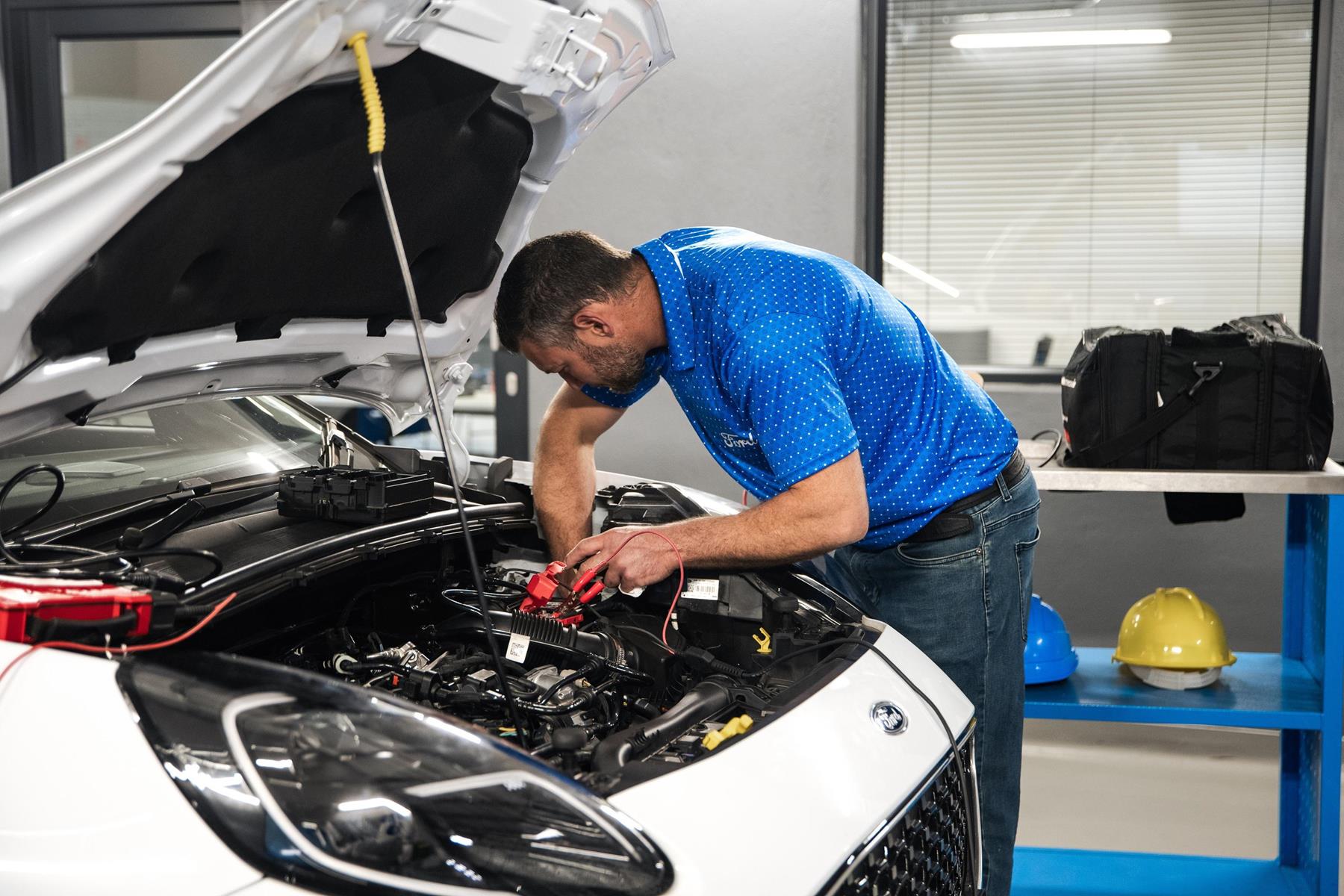
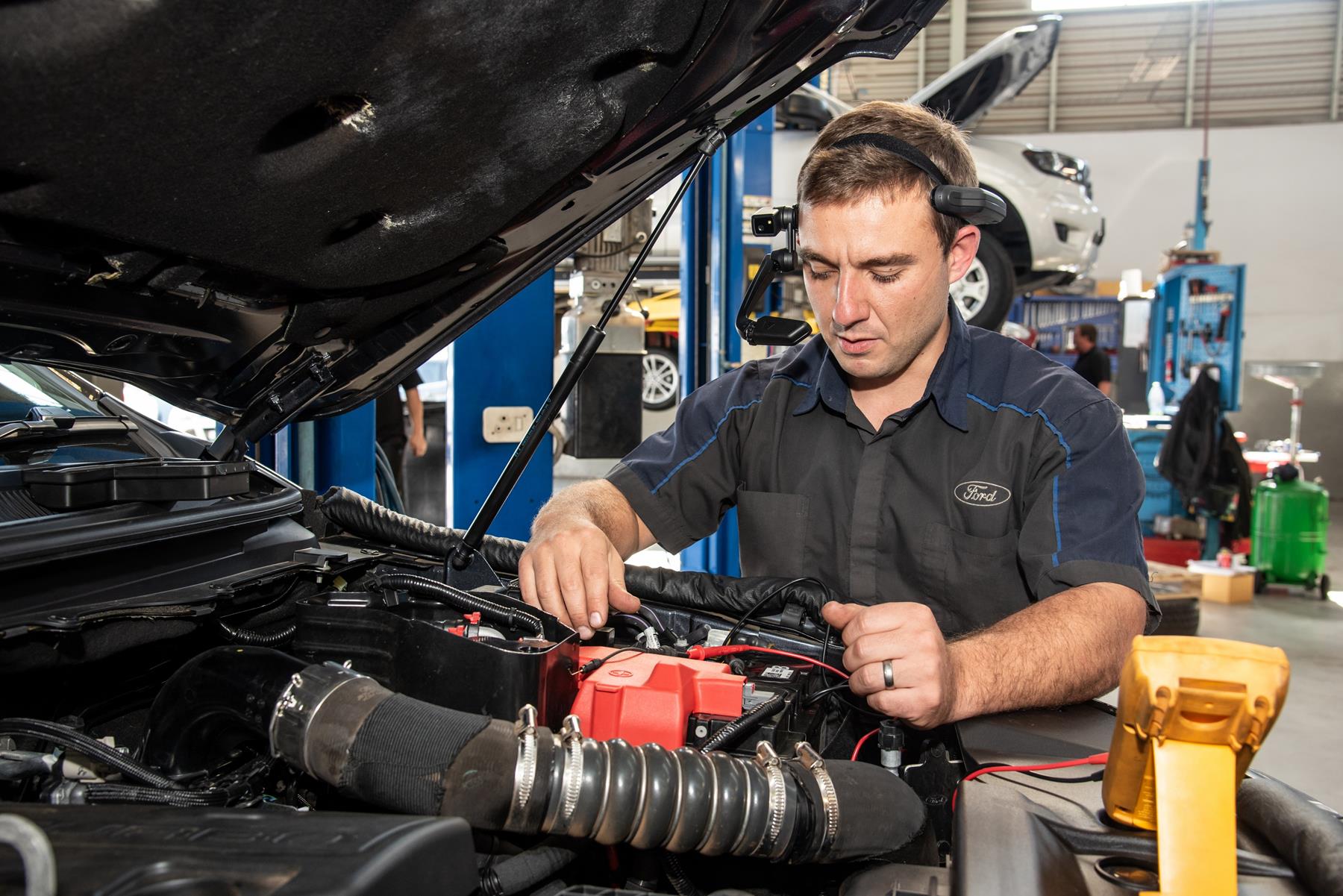
The Autotechnician Apprenticeship Scholarship, piloted in Pretoria in 2026 with eight students from low-income households, combines formal technical education with paid, practical training at Ford dealerships. Over three years, apprentices progress from shadowing and theory to on-the-job repair work and advanced diagnostics, culminating in a formal qualification.


The programme will officially roll out in 2027, with a new intake beginning their apprenticeships as the pilot cohort enters its second year. A further intake is planned for 2028, establishing overlapping groups that will create a continuous supply of qualified technicians for Ford’s dealer network.

Kevin Heunis, Service Engineering and Operations Director at Ford Motor Company of Southern Africa, said the country faced a contradiction: high youth unemployment alongside industries struggling to find specialised technical skills.

“Not every successful career needs to begin with a university degree. Technical and vocational careers can provide meaningful, future-focused opportunities, but we need stronger pathways connecting young people’s potential with the skills industry requires,” Heunis said.

The apprentices are based at CMH Ford Hatfield, CMH Ford Gezina and CMH Ford Steyns, where they receive hands-on training and a monthly stipend. The scholarship covers theoretical course costs, tools, uniforms and transport, while apprentices also receive mentorship and career guidance.


The Gift of the Givers manages student selection and programme monitoring, with MerSETA providing curriculum and theoretical training support. Ford’s Service Engineering and Operations division facilitates collaboration between dealerships and colleges and ensures Ford technical standards are incorporated into the training.

Selection criteria look beyond academic results to identify qualities such as curiosity, problem-solving ability and practical intelligence.

“Potential does not always come through a CV,” said Heunis. “Some of the strongest technical talent can be found in young people who naturally want to understand how things work – who build things, experiment and solve practical problems.”

As vehicles become more sophisticated, technicians increasingly work with advanced diagnostics, electronics, software and connectivity. Qualified technicians can progress into specialist and Master Technician roles, management, training and technical support, with some career paths offering international opportunities.

The apprenticeship forms part of Ford’s broader “Cradle to Vocation” approach to education and skills development, which spans early childhood development, literacy, mathematics and science, technical and vocational education, and entrepreneurship at university level.

Neale Hill, President of Operations at Ford Motor Company, Africa, said skills development extended beyond filling vacancies.


“When a young person gains a qualification, workplace experience and an opportunity to build a meaningful career, the impact reaches beyond that individual. It can improve the prospects of a family, strengthen a community and contribute to the economy. That is why we see skills development as nation-building,” Hill said.

“Ford has been part of South Africa for more than a century and investing in people and communities remains fundamental to our role in this country. This programme is one practical example of how we can use our expertise, dealer network and partnerships to create opportunities for the next generation.”

Heunis added that the initiative was not a once-off exercise.

“Ultimately, this is about developing the people who will look after our customers’ vehicles in the years ahead. As vehicle technology changes, the capability within our workshops has to evolve with it. The next generation of diagnosticians, engineers and innovators may already be sitting in South Africa’s technical classrooms. Our responsibility is to recognise that potential and help create the pathways for it to flourish,” he said.

https://bit.ly/4cDPYzZ

Wednesday, 19 August 2026

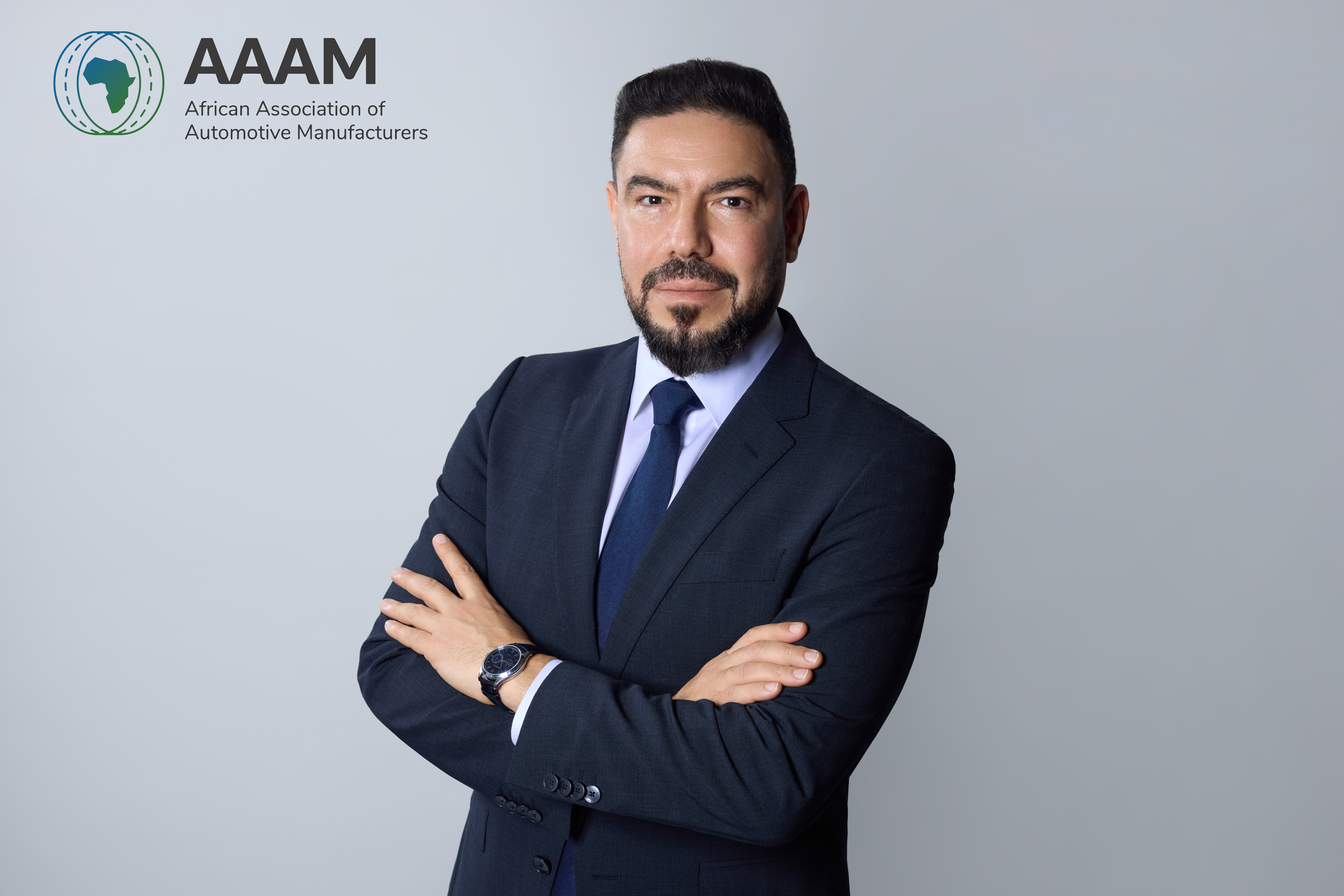
AAAM Elects Tarek Mosaad as New President for 2026-2028

AAAM Elects Tarek Mosaad as New President for 2026-2028

The African Association of Automotive Manufacturers (AAAM) has confirmed its office bearers and Advisory Board for the 2026 to 2028 term, as the continent's automotive industry moves to translate policy commitments into concrete industrial outcomes.

Tarek Mosaad, President and Chief Executive Officer of Hyundai Motor Middle East and Africa, has been elected President of AAAM. He succeeds Martina Biene, Chairperson and Managing Director of Volkswagen Group Africa, who led the association through the previous term.

Mosaad assumes the role at a pivotal moment. In February 2026, African heads of state are expected to formally adopt the 40% African-originating content threshold for automotive rules of origin under the African Continental Free Trade Area (AfCFTA) – a milestone that will allow automotive products to begin trading under the framework. This follows the conclusion of negotiations on automotive rules of origin in 2025, providing clarity for manufacturers and investors.

Tarek Mossad

AAAM has positioned 2026 as a year of "progressive development through collaboration", with a focus on moving from policy development to implementation. The association is prioritising the rollout and refinement of automotive policies in countries including Egypt, Ghana, Côte d'Ivoire, Kenya, Nigeria, Ethiopia, Senegal, Tanzania and Algeria, while engaging new markets such as Angola.

Mosaad will be supported by five vice-presidents representing Africa's key automotive regions and the component-manufacturing sector. The newly elected office bearers are:

- President: Tarek Mosaad, President and Chief Executive Officer, Hyundai Middle East and Africa
- Vice-President: North Africa: Ankush Arora, Chief Executive Officer, Al Mansour Automotive
- Vice-President: East Africa: Serge Kamuhinda, Chief Executive Officer, Volkswagen Mobility Solutions Rwanda
- Vice-President: West Africa: Kassem Odaymat, Chief Operating Officer, Rana Motors
- Vice-President: Southern Africa: Billy Tom, President, Isuzu Motors South Africa
- Vice-President: Components: Dr Markus Thill, President: Africa Region, Bosch

An Egyptian national with more than two decades of international automotive leadership experience, Mosaad became the first Arab and African executive to lead Hyundai Motor Company's Middle East and Africa Regional Headquarters in January 2026. He oversees operations across 57 markets, including several where Hyundai is expanding its manufacturing footprint.

Mosaad's recent engagement with AfCFTA Secretary-General Wamkele Mene in Dubai underscored the growing alignment between industry and continental institutions. The meeting focused on recent progress within the AfCFTA Rules of Origin framework, particularly those impacting the automotive sector.

AAAM Chief Executive Officer Victoria Backhaus-Jerling said the incoming leadership's collective experience would strengthen the association's work across the continent.

"AAAM welcomes the election of Tarek Mosaad and the incoming vice-presidents. Their experience across Africa's diverse automotive markets will be invaluable as we work with governments, development institutions and industry partners to move from policy development towards implementation," said Backhaus-Jerling.

"Our priority remains to support the development of coherent automotive policies, deepen localisation, attract investment and strengthen regional production and trade under the AfCFTA."

Mosaad said Africa presented significant opportunities for automotive growth, but realising this potential would require greater alignment between governments, manufacturers, suppliers, financiers and development partners.

AAAM has also constituted an Advisory Board to provide institutional continuity, regional insight and strategic guidance. The board comprises:

- Immediate Past President: Martina Biene, Chairperson and Managing Director, Volkswagen Group Africa
- Past President: Mike Whitfield, Managing Director, Stellantis South Africa
- Southern Africa representative: Bronwyn Kilpatrick, Senior Vice-President: Corporate, Toyota South Africa
- West Africa representative: Jeffrey Peprah, Chief Executive Officer, Volkswagen Ghana
- North Africa representative: Dr Ahmed Fikry, Managing Director, East Port Said and Egyptian German Automotive

Reflecting on her term as AAAM President, Biene thanked the association's members, partners and secretariat for their support, reaffirming her commitment to AAAM through her new role as Immediate Past President.

AAAM's membership has grown from 17 members in 2020 to more than 80 today, reflecting the association's expanding role in shaping Africa's automotive future. The association has strengthened its continental footprint with the launch of a dedicated North Africa office in Tunisia and keeps offices in Ghana, South Africa and Kenya.

In 2025, AAAM launched an Industrial Policy Executive Short Course in partnership with Afreximbank and the AfCFTA Secretariat, bringing together senior policymakers to strengthen capabilities in industrial policy design, regional value chains and localisation. A second cohort is planned for 2026, alongside the launch of an Industry Executive Short Course.

AAAM also played a leading role at the Intra-African Trade Fair (IATF2025), convening its Africa Automotive Forum to elevate the visibility of the continent's emerging automotive industry.

The association's priorities for 2026 include securing at least five concrete component manufacturing investments in Africa, advancing work on new energy technologies and building capacity across government and industry. AAAM is also working to strengthen collaboration between the mining and automotive sectors, recognising that electrification is accelerating demand for high-grade copper in wiring harnesses, power electronics and mechatronic systems.

As Africa's population is projected to exceed 2,5-billion by 2050, with rapid urbanisation and a growing middle class driving demand for affordable mobility, the continent is increasingly viewed as the world's last automotive frontier.

For more information visit https://aaamafrica.com/

https://bit.ly/4xVqSol

Friday, 14 August 2026

Africa Automotive: Electric Vehicle Growth - BYD Focuses on South Africa

Africa Automotive: Electric Vehicle Growth - BYD Focuses on South Africa

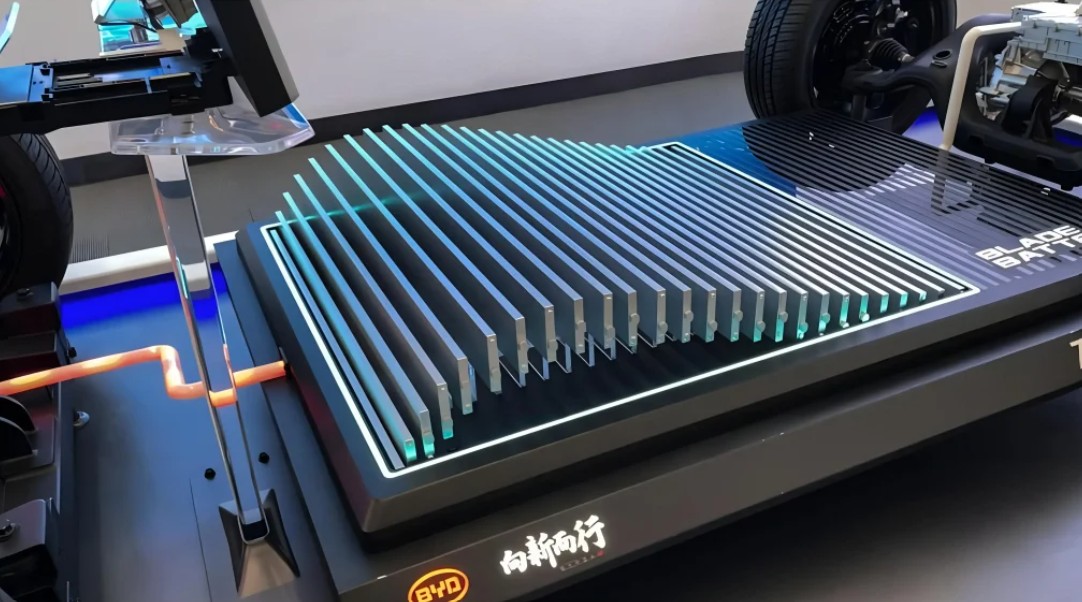
Chinese electric vehicle giant BYD is pursuing a manufacturing strategy in South Africa that centres on battery production rather than local vehicle assembly, a move that distinguishes its approach from competitors operating in the country’s automotive sector.

The world’s largest producer of battery electric and plug-in hybrid vehicles has signalled  its ambitions in South Africa extend well beyond the showroom floor. Executives from the company outlined this direction during the July launch of a financial services joint venture with Absa, indicating the group views the country as a potential manufacturing hub for the technology that underpins its global operations.

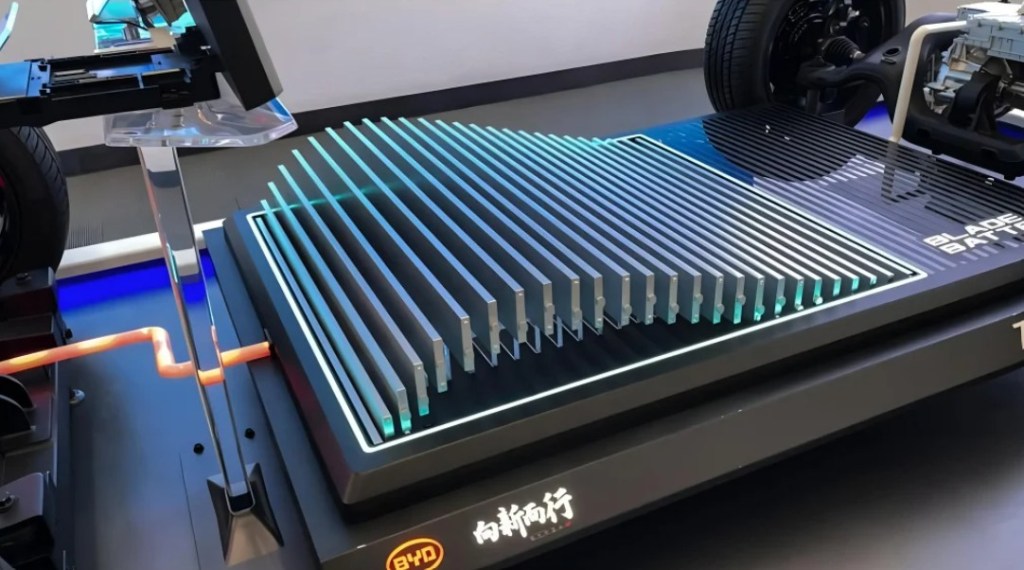
BYD’s origins as a battery manufacturer, long before it became a leading name in electric mobility, inform this strategy. Establishing production facilities in South Africa would allow the company to draw on that technical expertise while supplying not only the local electric vehicle market but also energy storage systems and possibly other industrial sectors.

The policy environment in South Africa appears to be moving in a direction that could support such investment. Government has revised its Critical Minerals and Metals Strategy and is proposing changes to automotive incentives that would allow up to half the value of critical minerals sourced from Southern Africa to count as local value addition in electric vehicle battery manufacturing. These measures are designed both to encourage regional processing of minerals and to attract battery producers.

Should BYD proceed with local battery manufacturing, the company could reduce its dependence on imported components while benefiting from existing and future incentive schemes.

The broader market for electrified vehicles in South Africa continues to expand rapidly. Sales data from Naamsa for June 2026 show that new energy vehicle registrations more than doubled year on year, reaching 3 045 units, a 104,2% increase from the 1 491 units sold in June 2025. These vehicles accounted for 6% of the 51 508 new light vehicles sold during the month, meaning roughly one in every 17 new light passenger vehicles was electrified.

Joubert Roux, co-founder and chair of Zero Carbon Charge, said the figures pointed to a sustained trend rather than a temporary spike. "Electric mobility is moving beyond early adopters and becoming an increasingly mainstream choice for South African consumers and businesses," he said.

For the first half of 2026, new energy vehicle sales totalled 13 193 units, comprising 6 667 hybrid electric vehicles, 4 623 plug-in hybrids and 1 903 battery electric vehicles. In June alone, traditional hybrids led with 1 488 units, representing 48,9% of the segment, followed by plug-in hybrids with 990 units and a 32,5% share, while battery electric vehicles recorded 419 units or 13,8%.

The market continues to follow a technology-diverse trajectory rather than shifting directly to full battery electric models, reflecting considerations around affordability, charging infrastructure and consumer driving habits. Naamsa supports a technology-neutral policy framework that allows manufacturers and consumers to choose between different low-emission and zero-emission technologies, arguing that such an approach supports consumer choice, investment and industrial competitiveness.

Naamsa interim chief executive Shinny Gobiyeza said the domestic automotive market was adapting to changing economic conditions and consumer preferences. "The continued growth in domestic vehicle sales, coupled with record levels of new energy vehicle adoption, demonstrates the resilience of South Africa's automotive industry," she said. "While export markets remain under pressure from global economic conditions, the domestic market continues to provide an important foundation for industry growth."

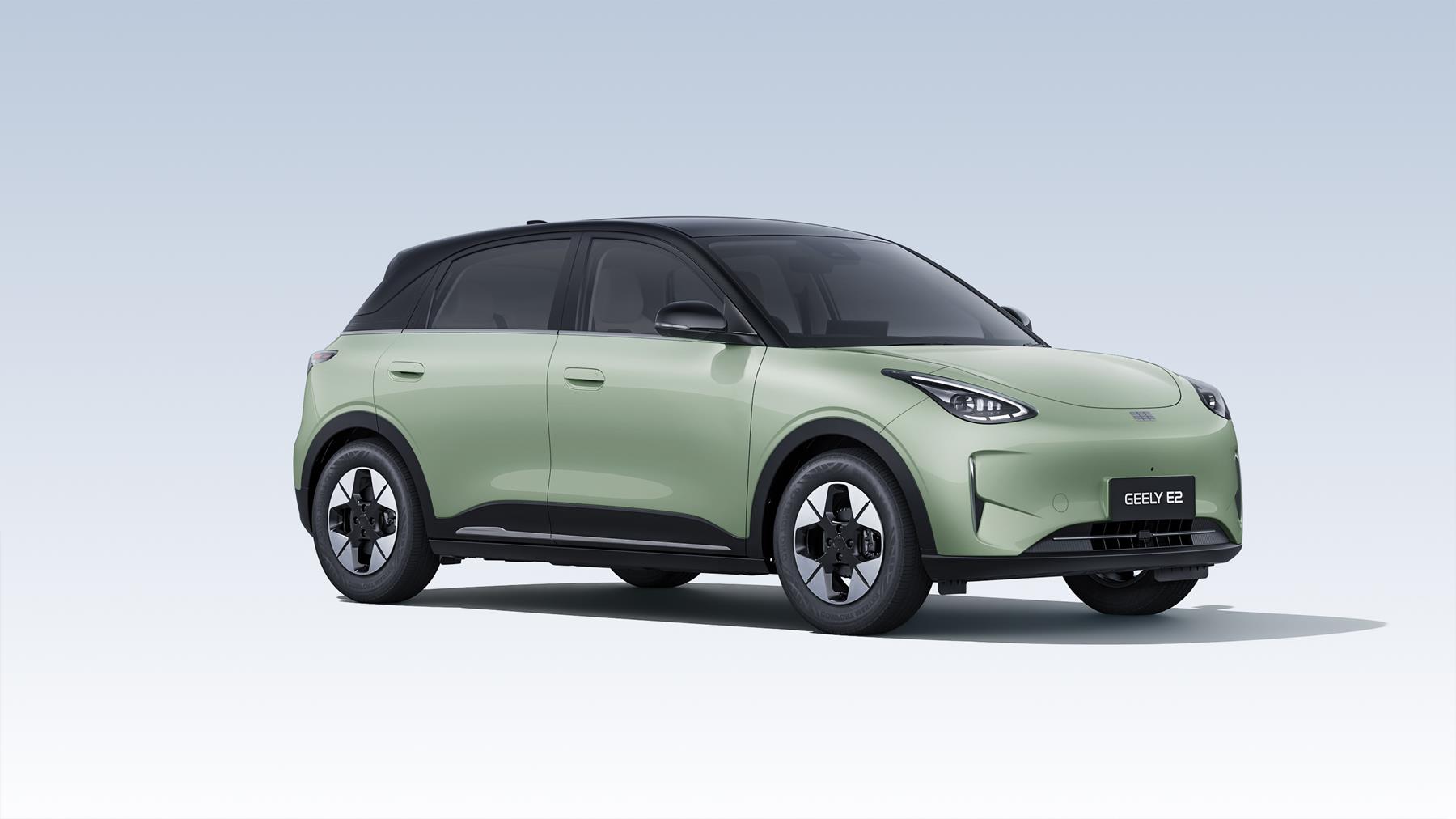
Lower entry prices for electric vehicles are supporting the trend. The most affordable new electric vehicle in South Africa cost close to R800 000 in 2023, but several current models are now priced below R520 000. The Geely E2 Aspire enters at R339 900, followed by the BYD Dolphin Surf Comfort at R341 900, with the Chery Q expected to launch in September from R350 000.


According to Roux, these lower price points are changing the financial calculus for both private buyers and fleet operators. "For years the conversation was about payback periods and total cost of ownership over five or ten years," he said. "Increasingly, in some categories, electric is simply the cheaper option on day one. That changes the conversation for both fleet operators and individual buyers entirely."

Morocco’s Integrated Model Offers Contrast

While South Africa positions itself for battery investment, Morocco has moved ahead with a comprehensive approach that combines Chinese industrial capital, government support and development finance. The African Development Bank’s recent approval of a $114 million loan – equivalent to roughly R2,1-billion – for Gotion High-Tech’s gigafactory in the North African country marks one of the largest development finance commitments to an African battery manufacturing project. The funding suggests that multilateral institutions are beginning to back battery production, which could encourage similar financing for projects elsewhere on the continent.

The bank’s support follows a pattern of Chinese companies, often in partnership with other players, increasing their investment in battery materials and manufacturing alongside vehicle exports and assembly operations. In Morocco, battery component production is already advancing. Abu Dhabi-based Falcon Energy Materials has commissioned a 25 000-tonnes-per-year anode materials pilot project at Jorf Lasfar, with technical and strategic partnerships with Chinese firms including Shanghai Shanshan New Material Co. and Hensen.

In 2024, Morocco signed a R5,6-billion agreement with China’s BTR New Material Group to build a cathode materials plant in Tangier. Cobco, a Chinese-Moroccan joint venture, has opened a battery components factory expected to produce enough materials for nearly one million electric vehicles annually once fully operational.

These investments complement Morocco’s existing vehicle manufacturing sector, creating an integrated ecosystem where battery materials, components and vehicle production increasingly reinforce one another. The United Nations Conference on Trade and Development, in its World Investment Report 2026, identified Morocco among emerging destinations benefiting from the global expansion of electric vehicle investment, alongside Brazil, India and Thailand. The country recorded about R61,5 billion in foreign direct investment inflows in 2025, supported by continued diversification into manufacturing and automotive activities.

UNCTAD also highlighted Morocco’s renewable energy strategy as a growing advantage for attracting energy-intensive manufacturing. At Jorf Lasfar, the Cobco joint venture plans to raise the share of green electricity in its operations to 80% in 2025 and 100% by the end of 2026, while Gotion’s gigafactory in Kenitra is linked to a dedicated renewable energy supply arrangement involving a 500-megawatt wind project and 2 000 MWh of battery storage. Logistics infrastructure, particularly the Tanger Med port and zones complex, has also been cited as a key factor in converting Morocco’s geographical position into export-oriented investment.

Policy Frameworks Will Determine Winners

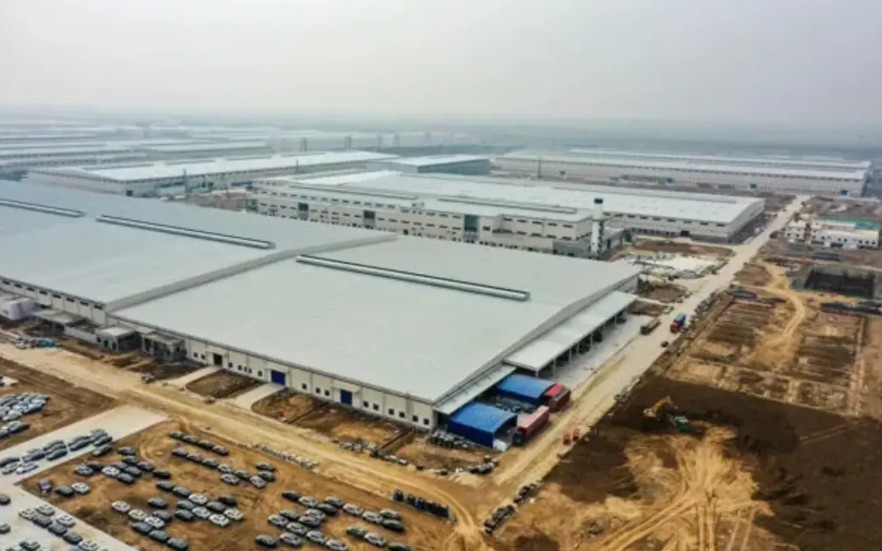
The contrasting approaches of Morocco and South Africa offer insights into where Africa’s battery industry is heading. Morocco shows how Chinese manufacturers, government policy and development finance can work together to establish production at scale. South Africa is seeking to create the conditions for similar investment but has yet to secure a major battery manufacturing commitment.

For other African countries hoping to move beyond vehicle assembly, the presence of mineral resources alone is unlikely to be sufficient. Building a battery industry also requires a coordinated and stable industrial policy that can attract investors and create pathways to long-term financing.

The African Development Bank’s backing of the Gotion factory suggests that development finance institutions are opening up to support battery manufacturing, rather than only electric vehicle deployment or charging infrastructure. That shift in approach could have significant implications for which countries attract industrial activity in the electric vehicle value chain and which fall behind.

Egypt Pursues Full Manufacturing Status

Egypt, meanwhile, is advancing its own ambitions to transform from a vehicle assembly hub into a full automotive manufacturing nation. Minister of Industry Khaled Hashem has held expanded discussions with the Presidential Advisory Council of Egyptian Scientists and representatives of automotive manufacturers and component suppliers, reviewing an industry development study that aims to double vehicle production over the next five years while deepening the localisation of components, particularly metal parts and vehicle bodies.

A joint committee has been formed comprising representatives from the ministry, the advisory council and manufacturers to develop an executive framework for implementing the study’s recommendations. The discussions focused on establishing an integrated automotive ecosystem linking assembly plants with domestic supply chains capable of producing components that meet international standards.

Hashem stressed that the ministry’s objective is to move beyond assembly and establish a fully integrated manufacturing industry covering every stage of the value chain. "Assembly is only one step toward making Egypt a true automotive manufacturing nation through local component production, technology localisation, and the development of a competitive industrial base capable of serving both domestic and export markets," he said.

The ministry is also coordinating with the finance ministry to launch a national vehicle scrappage and replacement programme, offering incentives to encourage citizens to replace ageing vehicles with newer, more efficient models, boosting demand for locally manufactured vehicles while generating additional scrap metal for domestic steel production.

Renewables and Logistics Underpin Morocco’s Appeal


UNCTAD noted that Morocco’s renewable energy targets and decarbonisation commitments, combined with arrangements giving firms access to dedicated renewable electricity, have helped position the country as an attractive location for battery materials and cell manufacturing. The report also pointed to the announced Sila Atlantik Cable project as an example of the growing regional dimension of investment in renewable energy, combining large-scale generation with subsea transmission infrastructure linking North Africa and Europe.

Logistics infrastructure is another major component of Morocco’s investment appeal. The Tanger Med port and zones complex is described as a gateway to Europe that converts the country’s geographical position into export-oriented foreign investment by integrating the port with surrounding special economic zones and industrial parks. The main automotive cluster lies within 35 minutes of the terminal, reducing inland time and variability between factory gates and vessel departure.

UNCTAD’s assessment suggests that Morocco’s competitive advantage is increasingly about more than attracting individual foreign companies. Its industrial zones, logistics infrastructure, renewable energy capacity and growing supplier base are helping position the country within emerging global value chains, particularly those linked to electric mobility and the energy transition. The report nevertheless notes that attracting investment alone is not sufficient; developing economies need to connect foreign investment with local suppliers, skills, innovation and employment to ensure that investment contributes to broader domestic industrial development.

https://bit.ly/3SBcF0C

Africa Automotive: Electric Vehicle Growth - BYD Focuses on South Africa

Africa Automotive: Electric Vehicle Growth - BYD Focuses on South Africa

Chinese electric vehicle giant BYD is pursuing a manufacturing strategy in South Africa that centres on battery production rather than local vehicle assembly, a move that distinguishes its approach from competitors operating in the country’s automotive sector.


The world’s largest producer of battery electric and plug-in hybrid vehicles has signalled  its ambitions in South Africa extend well beyond the showroom floor. Executives from the company outlined this direction during the July launch of a financial services joint venture with Absa, indicating the group views the country as a potential manufacturing hub for the technology that underpins its global operations.


BYD’s origins as a battery manufacturer, long before it became a leading name in electric mobility, inform this strategy. Establishing production facilities in South Africa would allow the company to draw on that technical expertise while supplying not only the local electric vehicle market but also energy storage systems and possibly other industrial sectors.


The policy environment in South Africa appears to be moving in a direction that could support such investment. Government has revised its Critical Minerals and Metals Strategy and is proposing changes to automotive incentives that would allow up to half the value of critical minerals sourced from Southern Africa to count as local value addition in electric vehicle battery manufacturing. These measures are designed both to encourage regional processing of minerals and to attract battery producers.


Should BYD proceed with local battery manufacturing, the company could reduce its dependence on imported components while benefiting from existing and future incentive schemes.


The broader market for electrified vehicles in South Africa continues to expand rapidly. Sales data from Naamsa for June 2026 show that new energy vehicle registrations more than doubled year on year, reaching 3 045 units, a 104,2% increase from the 1 491 units sold in June 2025. These vehicles accounted for 6% of the 51 508 new light vehicles sold during the month, meaning roughly one in every 17 new light passenger vehicles was electrified.


Joubert Roux, co-founder and chair of Zero Carbon Charge, said the figures pointed to a sustained trend rather than a temporary spike. "Electric mobility is moving beyond early adopters and becoming an increasingly mainstream choice for South African consumers and businesses," he said.


For the first half of 2026, new energy vehicle sales totalled 13 193 units, comprising 6 667 hybrid electric vehicles, 4 623 plug-in hybrids and 1 903 battery electric vehicles. In June alone, traditional hybrids led with 1 488 units, representing 48,9% of the segment, followed by plug-in hybrids with 990 units and a 32,5% share, while battery electric vehicles recorded 419 units or 13,8%.


The market continues to follow a technology-diverse trajectory rather than shifting directly to full battery electric models, reflecting considerations around affordability, charging infrastructure and consumer driving habits. Naamsa supports a technology-neutral policy framework that allows manufacturers and consumers to choose between different low-emission and zero-emission technologies, arguing that such an approach supports consumer choice, investment and industrial competitiveness.


Naamsa interim chief executive Shinny Gobiyeza said the domestic automotive market was adapting to changing economic conditions and consumer preferences. "The continued growth in domestic vehicle sales, coupled with record levels of new energy vehicle adoption, demonstrates the resilience of South Africa's automotive industry," she said. "While export markets remain under pressure from global economic conditions, the domestic market continues to provide an important foundation for industry growth."


Lower entry prices for electric vehicles are supporting the trend. The most affordable new electric vehicle in South Africa cost close to R800 000 in 2023, but several current models are now priced below R520 000. The Geely E2 Aspire enters at R339 900, followed by the BYD Dolphin Surf Comfort at R341 900, with the Chery Q expected to launch in September from R350 000.


According to Roux, these lower price points are changing the financial calculus for both private buyers and fleet operators. "For years the conversation was about payback periods and total cost of ownership over five or ten years," he said. "Increasingly, in some categories, electric is simply the cheaper option on day one. That changes the conversation for both fleet operators and individual buyers entirely."


Morocco’s Integrated Model Offers Contrast


While South Africa positions itself for battery investment, Morocco has moved ahead with a comprehensive approach that combines Chinese industrial capital, government support and development finance. The African Development Bank’s recent approval of a $114 million loan – equivalent to roughly R2,1-billion – for Gotion High-Tech’s gigafactory in the North African country marks one of the largest development finance commitments to an African battery manufacturing project. The funding suggests that multilateral institutions are beginning to back battery production, which could encourage similar financing for projects elsewhere on the continent.


The bank’s support follows a pattern of Chinese companies, often in partnership with other players, increasing their investment in battery materials and manufacturing alongside vehicle exports and assembly operations. In Morocco, battery component production is already advancing. Abu Dhabi-based Falcon Energy Materials has commissioned a 25 000-tonnes-per-year anode materials pilot project at Jorf Lasfar, with technical and strategic partnerships with Chinese firms including Shanghai Shanshan New Material Co. and Hensen.


In 2024, Morocco signed a R5,6-billion agreement with China’s BTR New Material Group to build a cathode materials plant in Tangier. Cobco, a Chinese-Moroccan joint venture, has opened a battery components factory expected to produce enough materials for nearly one million electric vehicles annually once fully operational.


These investments complement Morocco’s existing vehicle manufacturing sector, creating an integrated ecosystem where battery materials, components and vehicle production increasingly reinforce one another. The United Nations Conference on Trade and Development, in its World Investment Report 2026, identified Morocco among emerging destinations benefiting from the global expansion of electric vehicle investment, alongside Brazil, India and Thailand. The country recorded about R61,5 billion in foreign direct investment inflows in 2025, supported by continued diversification into manufacturing and automotive activities.


UNCTAD also highlighted Morocco’s renewable energy strategy as a growing advantage for attracting energy-intensive manufacturing. At Jorf Lasfar, the Cobco joint venture plans to raise the share of green electricity in its operations to 80% in 2025 and 100% by the end of 2026, while Gotion’s gigafactory in Kenitra is linked to a dedicated renewable energy supply arrangement involving a 500-megawatt wind project and 2 000 MWh of battery storage. Logistics infrastructure, particularly the Tanger Med port and zones complex, has also been cited as a key factor in converting Morocco’s geographical position into export-oriented investment.


Policy Frameworks Will Determine Winners


The contrasting approaches of Morocco and South Africa offer insights into where Africa’s battery industry is heading. Morocco shows how Chinese manufacturers, government policy and development finance can work together to establish production at scale. South Africa is seeking to create the conditions for similar investment but has yet to secure a major battery manufacturing commitment.


For other African countries hoping to move beyond vehicle assembly, the presence of mineral resources alone is unlikely to be sufficient. Building a battery industry also requires a coordinated and stable industrial policy that can attract investors and create pathways to long-term financing.


The African Development Bank’s backing of the Gotion factory suggests that development finance institutions are opening up to support battery manufacturing, rather than only electric vehicle deployment or charging infrastructure. That shift in approach could have significant implications for which countries attract industrial activity in the electric vehicle value chain and which fall behind.


Egypt Pursues Full Manufacturing Status


Egypt, meanwhile, is advancing its own ambitions to transform from a vehicle assembly hub into a full automotive manufacturing nation. Minister of Industry Khaled Hashem has held expanded discussions with the Presidential Advisory Council of Egyptian Scientists and representatives of automotive manufacturers and component suppliers, reviewing an industry development study that aims to double vehicle production over the next five years while deepening the localisation of components, particularly metal parts and vehicle bodies.


A joint committee has been formed comprising representatives from the ministry, the advisory council and manufacturers to develop an executive framework for implementing the study’s recommendations. The discussions focused on establishing an integrated automotive ecosystem linking assembly plants with domestic supply chains capable of producing components that meet international standards.


Hashem stressed that the ministry’s objective is to move beyond assembly and establish a fully integrated manufacturing industry covering every stage of the value chain. "Assembly is only one step toward making Egypt a true automotive manufacturing nation through local component production, technology localisation, and the development of a competitive industrial base capable of serving both domestic and export markets," he said.


The ministry is also coordinating with the finance ministry to launch a national vehicle scrappage and replacement programme, offering incentives to encourage citizens to replace ageing vehicles with newer, more efficient models, boosting demand for locally manufactured vehicles while generating additional scrap metal for domestic steel production.


Renewables and Logistics Underpin Morocco’s Appeal


UNCTAD noted that Morocco’s renewable energy targets and decarbonisation commitments, combined with arrangements giving firms access to dedicated renewable electricity, have helped position the country as an attractive location for battery materials and cell manufacturing. The report also pointed to the announced Sila Atlantik Cable project as an example of the growing regional dimension of investment in renewable energy, combining large-scale generation with subsea transmission infrastructure linking North Africa and Europe.


Logistics infrastructure is another major component of Morocco’s investment appeal. The Tanger Med port and zones complex is described as a gateway to Europe that converts the country’s geographical position into export-oriented foreign investment by integrating the port with surrounding special economic zones and industrial parks. The main automotive cluster lies within 35 minutes of the terminal, reducing inland time and variability between factory gates and vessel departure.


UNCTAD’s assessment suggests that Morocco’s competitive advantage is increasingly about more than attracting individual foreign companies. Its industrial zones, logistics infrastructure, renewable energy capacity and growing supplier base are helping position the country within emerging global value chains, particularly those linked to electric mobility and the energy transition. The report nevertheless notes that attracting investment alone is not sufficient; developing economies need to connect foreign investment with local suppliers, skills, innovation and employment to ensure that investment contributes to broader domestic industrial development.

https://bit.ly/3SBcF0C