Wednesday, 22 July 2026

Volvo Trucks Hits 250,000 km with Electric Fleet in South Africa

Volvo Trucks Hits 250,000 km with Electric Fleet in South Africa

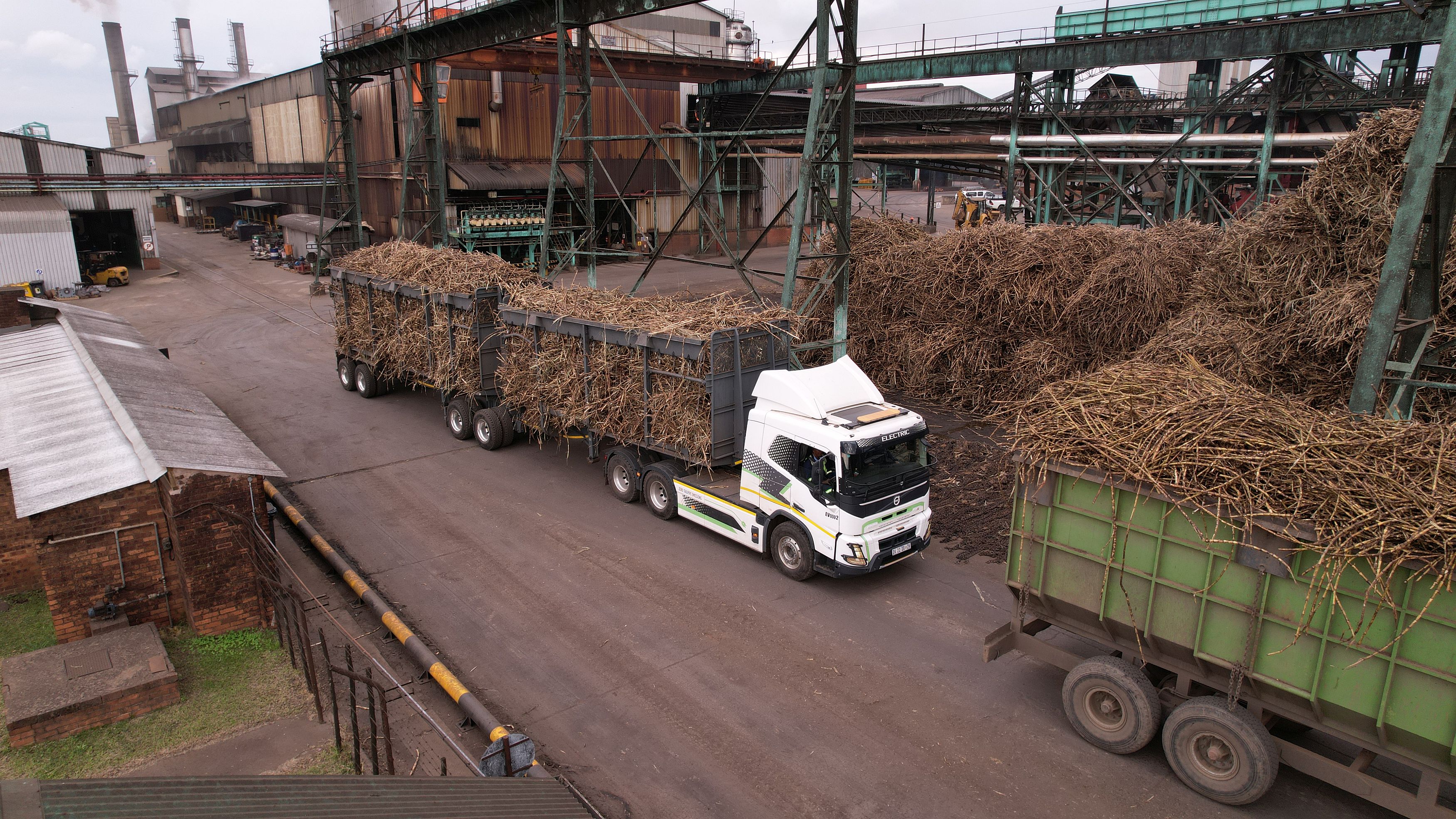
Volvo Trucks South Africa’s battery-electric customer fleet has now covered more than 250 000 kilometres in real-world commercial operation since the vehicles were first introduced locally in 2023. The distance has been accumulated across a range of applications, with companies using the trucks to reduce emissions while gaining firsthand experience in electric freight movement.

The current generation of extra heavy electric models makes up the fleet, operating largely on shorter routes and urban distribution cycles. While the global Volvo electric truck fleet has logged more than 400 million kilometres, the local figure represents a measured but meaningful advance for the South African market, according to Eric Parry, Senior Manager for Sustainable Solutions at Volvo Trucks South Africa.


“While a quarter of a million kilometres may seem modest compared with the more than 400-million already accumulated by Volvo electric trucks globally, it represents a significant achievement in the South African context, where the majority of Volvo electric trucks are operating on shorter-route and urban distribution applications,” said Parry.

The fleet’s monthly average per vehicle stands at 2 000 kilometres, with the busiest units consistently reaching 10 000 kilometres a month. Energy consumption across the range averages 1,77 kWh/km, covering everything from eight-tonne 4x2 units carrying five to seven tonnes of payload, up to 6x4 tractors pulling interlink trailers with loads of 32 tonnes or more.

Parry noted the milestone reflects growing trust in the technology. “The milestone reflects the confidence customers have placed in Volvo Trucks' electric transport solutions and demonstrates that battery-electric trucks are successfully meeting the demands of daily commercial operations,” he said. He added customers and drivers have shown a willingness to adapt and refine their operating methods, and the distance achieved speaks both to the vehicle capability and to the commitment of those using them.


Beyond the odometer reading, the fleet’s performance has offered practical lessons in charging behaviour, vehicle utilisation, uptime management and driver feedback under local conditions. All customer fleets charge at depot or loading areas, using their own installed chargers. Charging strategies vary between overnight slow charging and faster top-ups, depending on each operation’s specific needs.

Parry said one of the more encouraging developments has been seeing electric trucks shift from a theoretical option to a daily fixture in transport operations. He said each kilometre travelled adds to the business case for wider adoption. Volvo Trucks provides dealer and workshop support for electric fleets, including real-time battery monitoring, dedicated 24/7 roadside assistance, and range-prediction tools.

Looking ahead, Volvo Trucks South Africa plans to introduce a new generation of electric trucks later this year, offering extended range and additional power configurations. Parry said the current fleet is laying groundwork for that next phase, and the company views the 250 000-kilometre mark not as a conclusion, but as a stepping stone.

“While a quarter of a million kilometres is an important milestone, it is what those kilometres represent that matters most: growing customer confidence, valuable operational experience, and a foundation for the next generation of electric transport,” he said.

https://bit.ly/4yutAlT

Monday, 20 July 2026

Empowerment and sustainability from Eastern Cape automakers

Empowerment and sustainability from Eastern Cape automakers

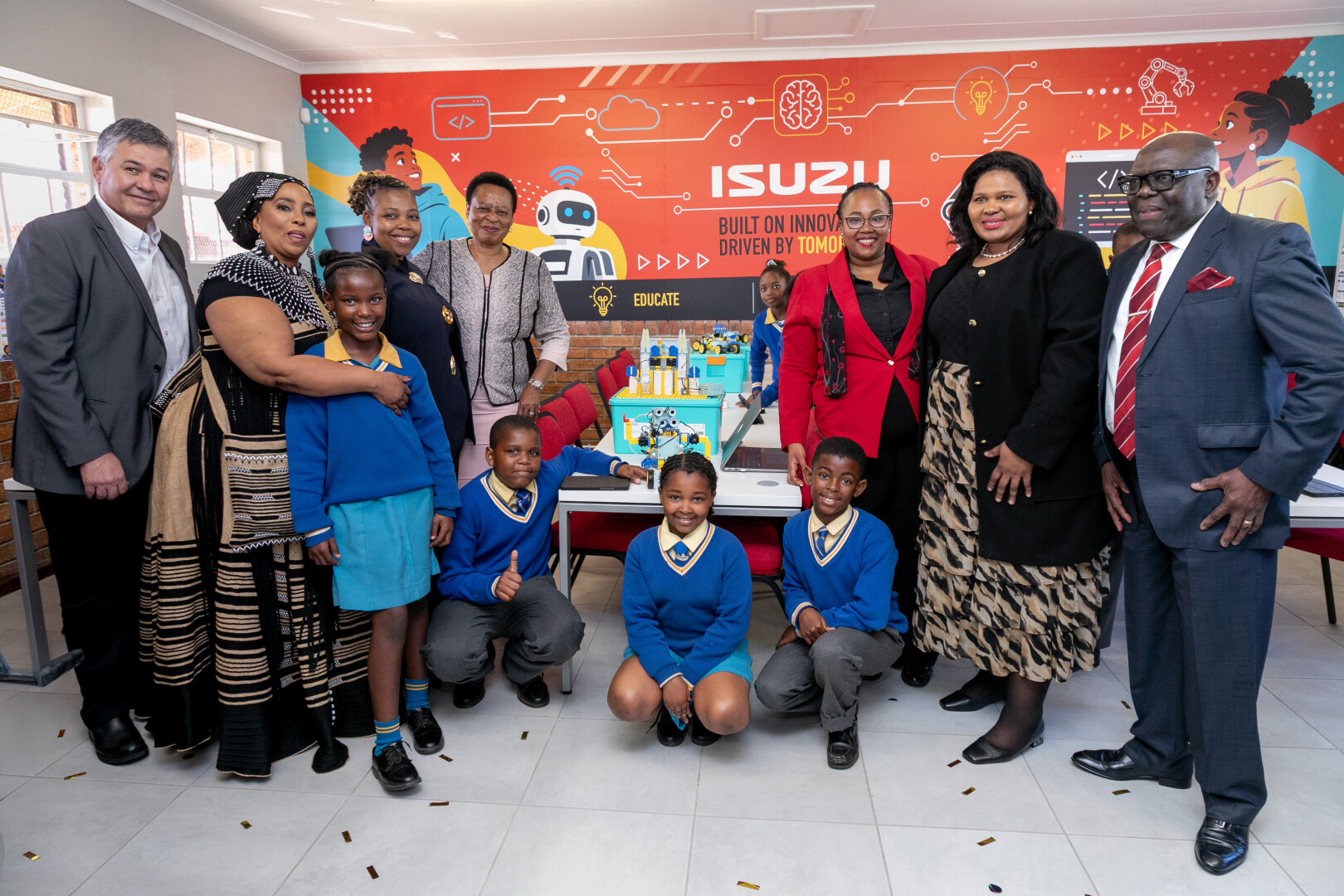
Isuzu Motors South Africa (IMSAf) has invested close to R2-million in a new AI, Coding and Robotics Laboratory at Khulile Primary School in Motherwell, bringing digital learning tools to 650 learners from Grade R to Grade 7.

The facility, established in partnership with Sifiso EdTech through the Future Nation Foundation, represents the second such laboratory that IMSAf has set up in Gqeberha. The project is designed to provide early exposure to emerging technologies and build foundational digital literacy and computational thinking skills among young learners.

Beyond the physical infrastructure, the investment includes a comprehensive educator development programme. Teachers will receive training endorsed by the South African Council for Educators (SACE), covering robotics implementation, programming structures, sensors, actuators, troubleshooting and classroom integration. Ongoing mentorship, virtual learning support and collaborative networks are also part of the package to ensure sustained delivery of the curriculum.

From left: Executive Mayor of Nelson Mandela Bay, Cllr Babalwa Lobishe; Khulile Primary School Principal, Ms Linda Nonxuba; Deputy Minister of Basic Education, Dr Makgabo Reginah Mhaule; and Department Executive: Corporate Affairs at Isuzu Motors South Africa, Nandi Matomela, officially cut the ribbon to open the new AI, Coding and Robotics Lab at Khulile Primary School in Motherwell, Gqeberha. 

The laboratory is equipped with robotics kits, tablets, laptops and a customised computer suite, allowing learners to engage with coding, robotics and artificial intelligence through hands-on activities. The programme also aims to create early awareness of career pathways in engineering, software development, mechatronics, automation and related fields.

"This initiative reflects our belief that preparing young people for the future starts with access today," says Nandi Matomela, Department Executive for Corporate Affairs at Isuzu Motors South Africa. "As industries continue evolving through digital transformation and automation, every learner deserves the opportunity to develop the skills needed to participate meaningfully in tomorrow's economy. Through this investment, we are not only providing technology but creating opportunities for young people to discover their potential."

Dr Sizwe Nxasana, Founder and CEO of Sifiso EdTech, noted coding, robotics and artificial intelligence are already shaping the world learners are growing into. "By introducing these skills at primary school level, we are helping learners build confidence, creativity and critical thinking while opening doors to the careers and opportunities of tomorrow."

The initiative forms part of IMSAf's broader Corporate Social Investment programme, which seeks to narrow South Africa's skills gap by aligning educational outcomes with the demands of a technology-driven economy.


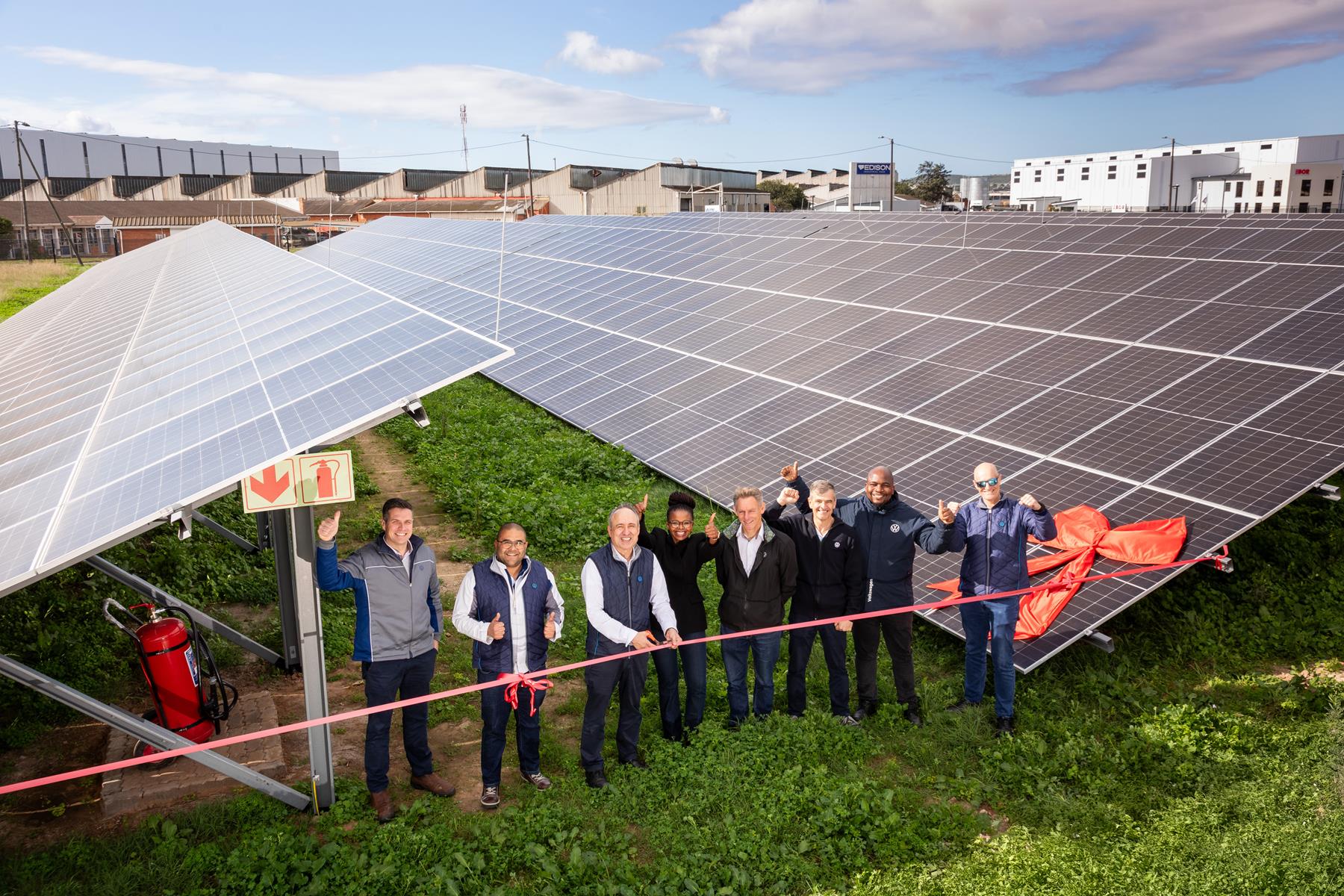
Staying in the Eastern Cape, Volkswagen Group Africa has completed a photovoltaic solar panel installation at its Component Plant in Kariega, Eastern Cape, as part of its long-term sustainability roadmap.

The project, finalised in June 2026, consists of 1 410 solar panels mounted on the roofs of the building and its car park, along with a ground-mounted section. The facility has a capacity of approximately 0,88MWp.

This installation adds to VWGA's existing renewable energy portfolio, which includes a multi-phase solar array over the employee car park featuring 9 294 panels with a capacity of 5,2MWp, capable of generating 7 125 MWh annually. Similar projects have also been completed on the roof of the Final Assembly building and the engine plant, with capacities of 1,7MWp and 1,0MWp respectively.

The company has been increasing its reliance on green energy sources, and in 2025, Plant Kariega sourced 40% of its energy requirements from renewable sources. The latest project is part of a broader strategy aimed at achieving carbon-neutral electricity in the company's production operations.

"We have made significant strides in recent years towards fully sustainable manufacturing," says Ulrich Schwabe, Production Director at Volkswagen Group Africa. "As a company we remain committed towards practices that are responsible and sustainable, and our work in increasing our green footprint is never done."

https://bit.ly/3TteyfU

Friday, 17 July 2026

Could Solar Energy Hurt South Africa's Automotive Future?

Could Solar Energy Hurt South Africa's Automotive Future?

As South Africa's auto industry races to electrify, a troubling question emerges: Could the cure for carbon emissions be worse than the disease?

The Karoo stretches endlessly under a brutal sun, its semi-desert plains dotted with hardy shrubs and the occasional springbok. It's the perfect place for a solar farm—high irradiation, flat land, and seemingly empty horizons. But ‘empty’ is a dangerous illusion.

Beneath the panels of South Africa's rapidly multiplying solar parks, a quiet transformation is taking place—one that international research suggests may be more complex, and potentially more harmful, than the green energy narrative lets on.
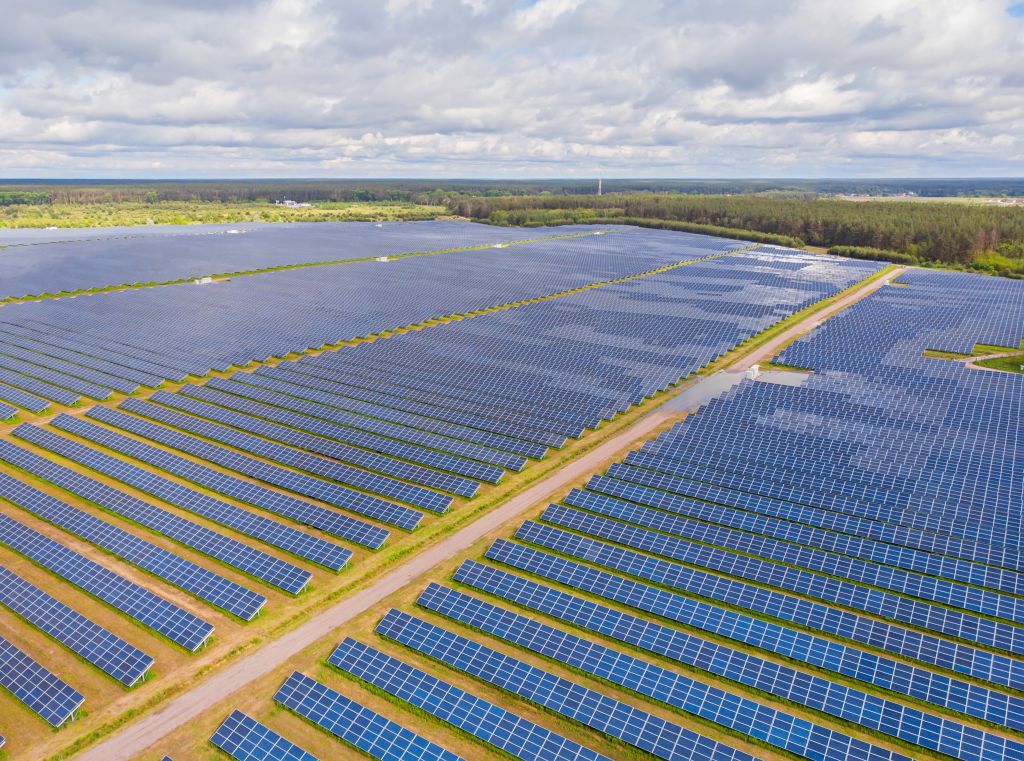

For the country's auto industry, already buckling under the weight of load-shedding and global decarbonisation pressures, the ecological shadow cast by utility-scale solar could become an unexpected choke point, threatening not just the land, but the very factories and supply chains that sustain the sector.

The narrative around solar energy is seductively simple: sunlight hits panel, electrons flow, emissions drop. But the ecological reality, as revealed by a growing body of meta-analyses, is far messier.

A comprehensive 2025 meta-analysis published in IOPscience, synthesising 44 dryland studies, found that photovoltaic power plants (PVPPs) are most consistently associated with reduced near-surface wind speed and air temperature, alongside increased soil moisture and vegetation cover.

Another major meta-analysis in the Journal of Environmental Management confirmed these microclimatic shifts, reporting significant reductions in wind speed (-63,55%) and soil temperature (-9,72%), while soil moisture content increased by a staggering 301,63%. On the surface, this sounds like a boon for arid regions.

Yet, a deeper look reveals a more troubling picture. The same 2025 IOPscience study noted that responses of aboveground biomass and annual net primary productivity were "less robust" and should not be interpreted as uniform ecological benefits.
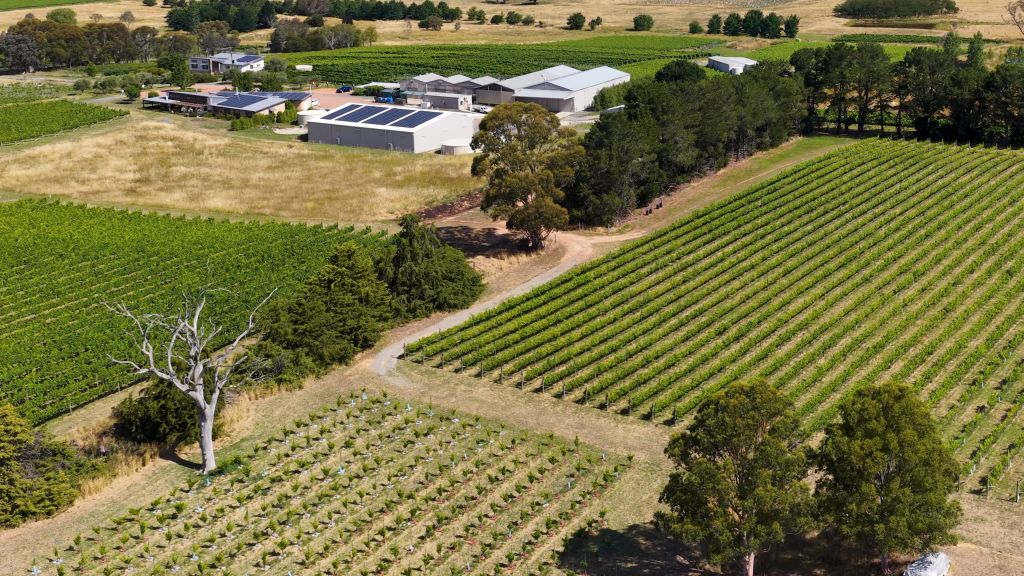

Meanwhile, a Chinese meta-analysis published in 2025, examining 50 global studies, found vegetation diversity actually declined by 6,38% under solar panels, even as species richness and cover increased. This suggests a homogenisation of the landscape—a few hardy species thriving, while the delicate mosaic of native flora is lost.

The critical factor, as the research underscores, is context dependence. The ecological effects of a solar farm are not universal but are heavily dictated by the type of ecosystem it replaces. Grasslands and savannas—South Africa's primary biomes targeted for solar development—appear to be particularly sensitive. A study in Frontiers in Ecology and Evolution specifically noted photovoltaic panel installation increased plant aboveground biomass and vegetation cover in grasslands, but also reduced CO2 flux, plant species richness and vegetation cover in woodlands. In other words, you might get more grass, but you lose the trees and the complex biodiversity they support.

The very act of ‘greening’ the immediate microclimate can come at the cost of the larger ecological fabric.

This ecological complexity is not just an academic concern in South Africa; it is a legal and social powder keg. The strategic roll-out of renewable energy has been guided by Spatial Planning tools and Strategic Environmental Assessments (SEA) to identify Renewable Energy Development Zones (REDZs). Yet, the friction between these zones and existing land use is palpable.

The recent proclamation of the Preservation and Development of Agricultural Land Act, 2024, now explicitly restricts development on high-potential agricultural land, creating "protected agricultural areas" mapped using soil quality, climate, and biodiversity data. This legislative shift is a direct response to the creeping industrialisation of agricultural landscapes.

And the conflicts are not hypothetical. The Phomolong community in the Free State shut down a solar project over a flawed recruitment process, blocking access to healthcare and schools.


The Supreme Court of Appeal overturned the environmental authorisation for Eskom's Richards Bay gas plant, citing a failure to consider cumulative impacts and community participation. These are not isolated incidents; they are the new reality of a green energy transition conducted without sufficient social and ecological buy-in.

Why should a motor manufacturer care about a patch of disturbed Karoo scrub or a community grievance in the Free State? Because these seemingly local issues translate directly into industrial risk.

The South African automotive sector is a cornerstone of the economy, accounting for over 20% of manufacturing output. But it is also an energy-intensive industry under immense pressure. The EU's Carbon Border Adjustment Mechanism (CBAM) looms like a guillotine, threatening to add punishing carbon tariffs to vehicles manufactured with South Africa's coal-heavy electricity.
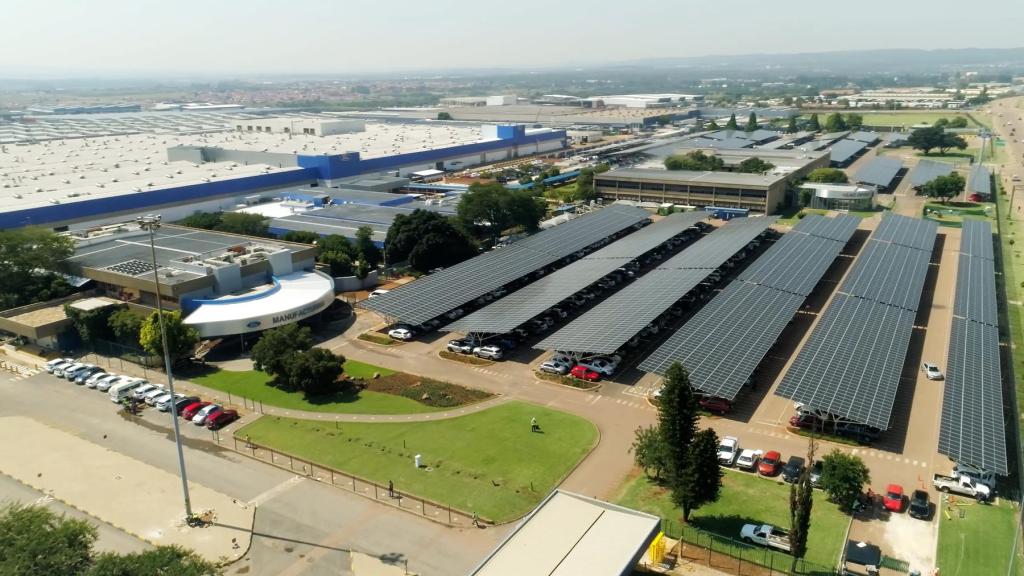
Solar panels at Ford's Silverton Plant, Pretoria

This is why we see companies like Ford installing massive 13,5-megawatt solar carports at its Silverton plant, and Maxion Wheels energising its own solar PV systems. The industry is desperate for clean, reliable power. The shift to New Energy Vehicles (NEVs) is not just a trend; it is an economic necessity, with recent ILO-led social dialogues in the Eastern Cape explicitly focusing on reskilling the automotive workforce for this transition.

However, this transition is built on a fragile foundation. The JET-IP identifies inadequate transmission infrastructure, delays in coal decommissioning, and funding gaps as major barriers.

Add to this the social and legal delays associated with new solar projects, and the risk of supply-chain disruption becomes acute. Land-use conflicts and protracted environmental authorisations don't just delay energy projects; they delay the electrification of the auto industry itself, raising costs and creating investor uncertainty.

As the JET-IP review notes, the plan is hindered by "geographic, political, and logistical complexities". Every hectare of solar farm that becomes a battleground is a hectare of potential energy that could have powered a factory line, lost to litigation and protest.

The situation is not hopeless, but it demands a radical shift in thinking. The current model—which often treats land as either a conservation zone or an energy plantation—is fundamentally flawed. The solution lies in integration.

The most promising avenue is agrivoltaics. The successful commissioning of a 1 MWp ground-mounted solar system at Genade Boerdery in the Northern Cape, which supports the farm's irrigation and production, demonstrates a working model for dual-use land.

Similarly, Enel Green Power's Adams solar plant in the Northern Cape has partnered with a local herb incubator, developing 21 women's cooperatives and demonstrating that energy generation can coexist with economic development.

The University of the Western Cape's ‘Green New World’ project is another beacon, creating an agrivoltaic system that will integrate solar energy, water purification and hydroponics on a single site, generating scientific data and training future practitioners. As a UWC project leader noted, the true value lies in the "seamless integration of electrically driven processes with advanced agricultural practices".

Beyond agrivoltaics, there is a growing recognition that well-designed solar farms can, in fact, enhance habitat. By moderating soil temperature through shading, and using dynamic tracker systems to prevent permanent over-shading, developers can create microclimates that support native grasses and pollinators, while wide row spacing ensures wildlife movement. This transforms solar farms from "ecological trade-offs" into "dual-purpose landscapes".


Policymakers must tie renewable procurement to binding community benefit clauses, ensuring that local communities are not just consulted but are co-investors in the projects that reshape their land.

The Tshwane Automotive Special Economic Zone (TASEZ) is already positioning itself as a benchmark, using solar rooftops and battery storage to attract OEMs, proving strategic investment in distributed generation near manufacturing hubs can mitigate risks and build investor confidence.

The green energy build-out is non-negotiable for South Africa's auto future. But it must be executed with ecological intelligence and social inclusion. The science is clear: large-scale solar can alter local climates, fragment habitats, and fuel community conflicts. If left unmanaged, these risks will translate directly into grid delays, legal blockades, and a slower, more expensive transition to EV manufacturing.

The sector's survival depends on moving beyond the simplistic view of solar as a pure environmental good. The goal must be to generate clean power and preserve ecological function, and deliver tangible community benefits.

As one environmental advisor noted, we must shift from viewing solar farms as ecological trade-offs to serving as "dual-purpose landscapes that deliver both reliable renewable energy and functioning ecological corridors". Anything less, and the auto industry might find itself stranded—not by a lack of electricity, but by the very land it needs to generate it.

https://bit.ly/4wRtgMn

Wednesday, 15 July 2026

Empowering South African Learners with Coding and Robotics

Empowering South African Learners with Coding and Robotics

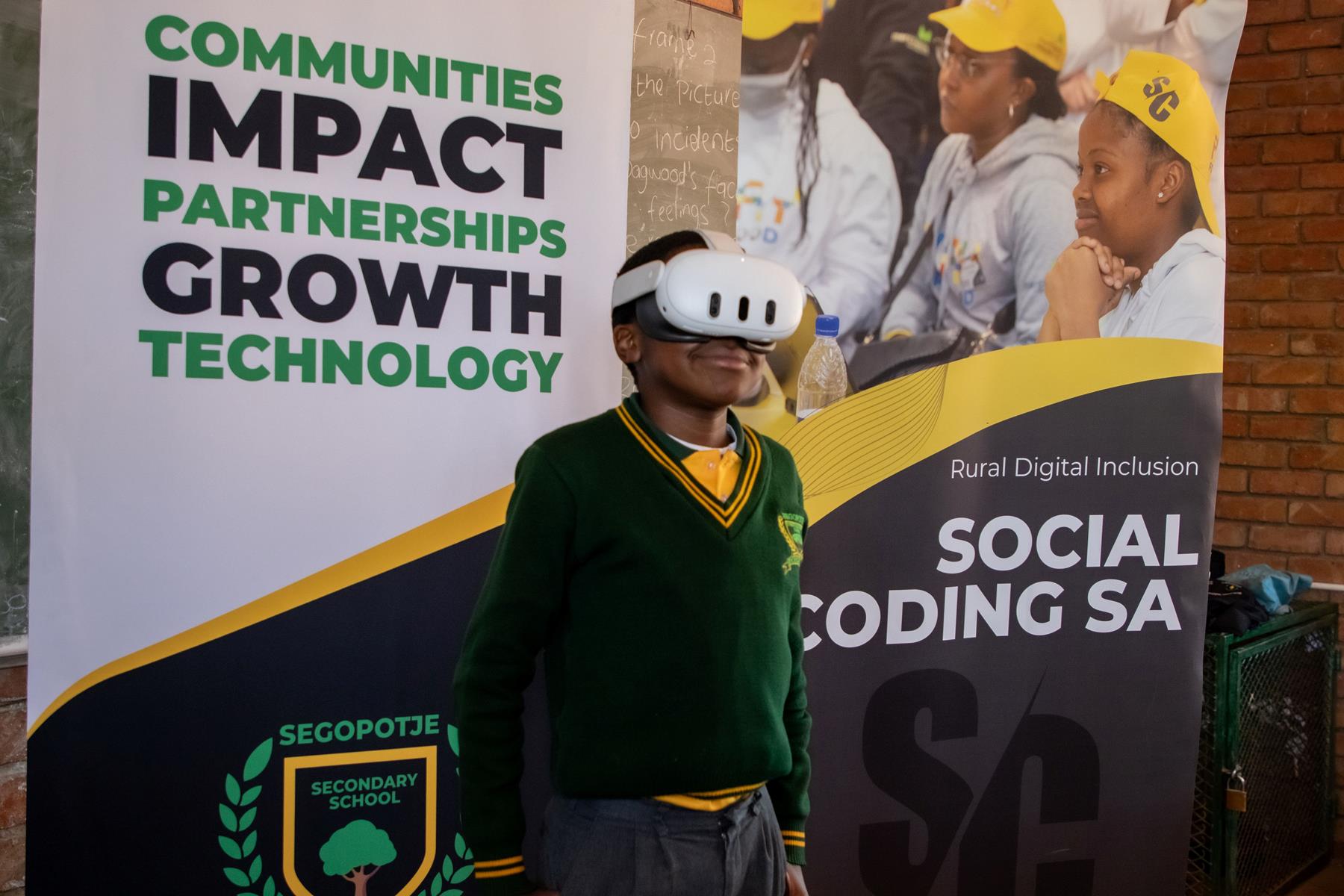
Stellantis South Africa has entered into a new community-focused partnership with Social Coding South Africa, aimed at introducing coding, robotics and digital literacy to learners and educators in areas where access to technology remains limited.

The initiative falls under Stellantis Philanthropy, the automotive group’s global social investment programme, which supports education, youth development and efforts to broaden access to economic opportunities.

Sizwekazi Mdingi, head of communications and CSR for South Africa and Sub-Saharan Africa at Stellantis, said the company views skills development as a foundation for long-term social and economic mobility. “Through Stellantis Philanthropy, we back initiatives that help young people build their futures and strengthen the communities they come from. Our partnership with Social Coding South Africa reflects this by giving learners and teachers digital skills that can lead to real opportunities.”

At the core of the project is a mobile computer laboratory that travels directly to schools, delivering hands-on training in coding, robotics and emerging technologies.

The programme is structured to reach several groups:

- Grade 8 and 9 learners, who will receive practical exposure to digital literacy, coding, robotics, artificial intelligence and Fourth Industrial Revolution tools.
- Teachers, who will be trained to integrate digital tools into their classroom practice.
- Young facilitators, who will be certified in digital and facilitation skills, with a number of participants gaining paid work experience to help scale the initiative.


In addition, learners will have the chance to enter national and international robotics competitions. By training local facilitators and upskilling teachers, the model is designed to ensure that digital capabilities continue to grow within the community even after the mobile lab moves to its next location.

Thembiso Magajana, founder of Social Coding South Africa, said the partnership addresses a persistent gap between community talent and available opportunity. “With Stellantis’s support, our mobile lab can reach learners, teachers and young facilitators who are often excluded from the digital economy, and show them that coding, robotics and AI are accessible. And because we train facilitators and equip teachers, the skills remain in the community long after the lab leaves.”

Stellantis Philanthropy operates separately from the company’s commercial operations and focuses on initiatives that generate social value. Its priorities include education, youth empowerment and improving access to opportunity, with the aim of enabling individuals to create lasting change in their own environments.

https://bit.ly/4pnPzXs

Monday, 13 July 2026

Isuzu's Solar Impact on Seabird Conservation in South Africa

Isuzu's Solar Impact on Seabird Conservation in South Africa

Isuzu Motors South Africa (IMSAf) has reinforced its support for seabird conservation in the Eastern Cape through an ongoing partnership with the Southern African Foundation for the Conservation of Coastal Birds (SANCCOB), with recent infrastructure investments yielding significant operational savings and expanded educational outreach.

The collaboration, which began in 2024, has seen IMSAf refurbish SANCCOB’s home pen facility and oversee the commissioning of a solar power plant at the organisation’s Cape Recife centre in 2025. These upgrades have contributed to improved operational stability, enhanced care for permanent seabird residents, and reduced monthly electricity costs by more than 85%, according to figures provided by the foundation.


“Conservation is most effective when investment, education and partnerships work together,” says Nandi Matomela, Department Executive for Corporate Affairs at Isuzu Motors South Africa. “Our partnership with SANCCOB shows how business can contribute to lasting environmental outcomes. By supporting conservation infrastructure and environmental education, we are helping to safeguard natural heritage for future generations.”

The solar installation has allowed SANCCOB to redirect funds previously allocated to electricity towards rescue, rehabilitation and veterinary services. Seabirds are considered important indicators of ocean health, and their protection is regarded as integral to the resilience of coastal ecosystems.

Carl Havemann, Centre Manager at SANCCOB Gqeberha, said the investment had notably improved operations at the Cape Recife facility. “The refurbishment of the resident seabird enclosure restored a critical space for our permanent patients, while the solar power system has enabled us to maintain operations during periods of load-shedding and other power disruptions. The savings realised have been channelled directly into conservation interventions benefiting seabird populations along the coastline.”

Beyond infrastructure, IMSAf has broadened its focus to include environmental education, with activities aimed at fostering awareness among young people.


On  July 1, 2026, 60 learners from De Vos Malan and Khulile Primary Schools took part in a programme at SANCCOB covering marine conservation, biodiversity protection and waste management. The session included a storytelling component led by 11-year-old author Unarine Phaswana, whose involvement encouraged learners to consider their own potential contributions to environmental stewardship.

A second event on July 4, 2026 involved the children of IMSAf employees at the company’s Marine Drive facility. The programme featured coastal clean-up activities and interactive sessions designed to illustrate the links between waste management, biodiversity and ecosystem health. Employees also handed over collected bottle caps to SANCCOB for recycling, with proceeds from the initiative supporting the foundation’s conservation and rehabilitation work.

Through a combination of infrastructure investment, partnership with conservation bodies and educational programming, Isuzu Motors South Africa continues to support efforts aimed at preserving coastal biodiversity while encouraging the next generation to take an active role in environmental protection.

https://bit.ly/44uMqeL