

Kenyan electric mobility company ARC Ride has closed a US$33,3-million funding round, equivalent to approximately R538-million and confirmed its entry into the South African market alongside planned expansions into Ghana, Tanzania and Uganda.
The equity and debt round was led by Norrsken22 and Novastar Ventures, with participation from the International Finance Corporation, British International Investment and Proparco. Existing investors Musashi Seimitsu and Talanton also committed further capital, while debt financing came from BII's Kinetic programme and Mirova.
ARC Ride operates a battery-as-a-service model for two and three-wheeler transport. Rather than purchasing batteries outright, riders exchange depleted units for charged ones at swapping stations, reducing upfront costs. Its clientele includes Yadea, one of the world's largest electric vehicle manufacturers.

The company has already begun operations in South Africa following a pilot in Cape Town, with a vehicle rollout underway in Gauteng. The funding will support the addition of 5 000 motorcycles to its fleet and expansion of its battery-swapping network.
ARC Ride founder Jo Hurst Croft said the funding would allow the company to scale the infrastructure required to support the transition to electric mobility across the continent.
The expansion into South Africa comes as the country's automotive export sector confronts a regulatory deadline in its largest market.
The Motor Industry Staff Association has warned South Africa risks losing access to its largest automotive export market unless government urgently enacts an end-of-life vehicle regulatory framework.
Approximately three out of every four vehicles exported from South Africa are destined for Europe. According to Naamsa's 2026 Automotive Trade Manual, the total export value of vehicles and automotive components reached R291-billion in 2025, with R182,8 billion, or 62,8%, going to the European Union and the United Kingdom.
The EU's Regulation 2026/1738 on circularity requirements for vehicle design and management of end-of-life vehicles entered into force on August 13 and introduces requirements covering circular vehicle design, recyclability, digital documentation and recycled material content.
New vehicles will have to contain at least 15% recycled plastic from September 2032, increasing to 25% from September 2036.
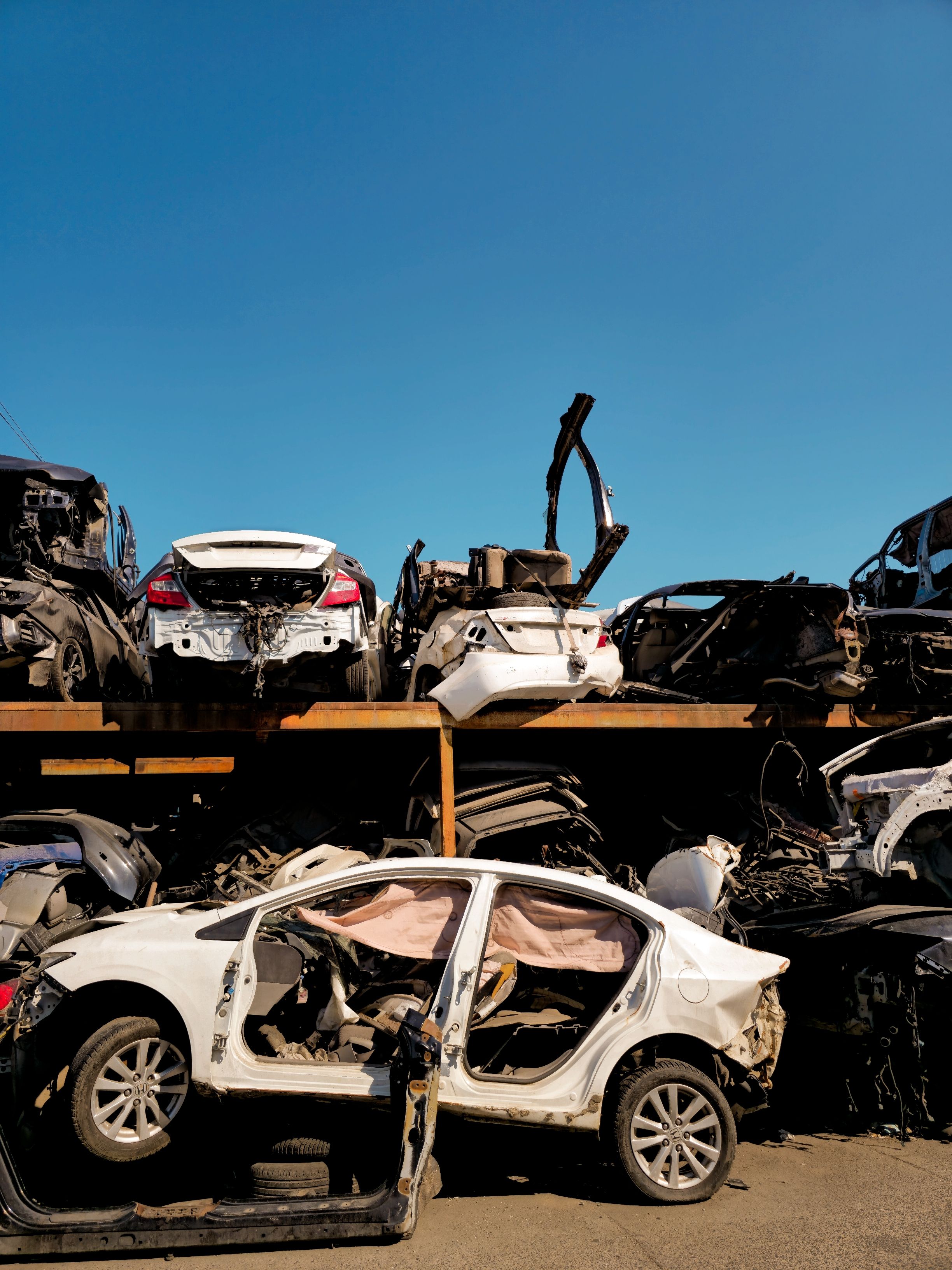
MISA argues a domestic ELV framework would help the local automotive industry recover recycled materials and align with the EU's requirements. The union maintains that establishing a formal framework would also create an industrial opportunity to protect existing employment and create new jobs.
South Africa's automotive sector contributes 5,2% to gross domestic product and supports around 500 000 formal jobs across the wider automotive value chain.
The Department of Trade, Industry and Competition has established a task team to evaluate the terms of reference for an end-of-life vehicle strategy, though timelines for implementation remain unclear.
BYD, which has a growing footprint in South Africa appears to looking for investment opportunities in Tunisia, including the possible creation of companies and development of activities beyond the manufacturer's current commercial presence.
BYD is distributed in Tunisia by Hélios Cars. The manufacturer recorded 857 cumulative registrations between January and July 2026 across plug-in hybrid and fully electric segments, leading the former with 564 units and placing second in the latter with 293 units.
The Tunisian side highlighted the country's position as a logistics crossroads between Europe, Africa and the Arab world, its automotive sector already integrated into international value chains, and an experienced workforce. Discussions covered automobile production, electrical infrastructure for electric and hybrid vehicles, and possible technology transfers in energy.
Chinese companies have announced approximately US$6-billion in investments in Morocco since the pandemic, according to the Financial Times. Projects span from Tangier to Kenitra, covering battery materials, tires and vehicle components.
Battery manufacturer Gotion High-Tech is building a US$1,3-billion factory in Kenitra. Guizhou Tire is establishing a passenger vehicle tire facility in Tangier Tech City with a planned investment of approximately US$298,7-million.
Wake up South Africa!
https://bit.ly/3TrLJRu

No comments:
Post a Comment