

Chinese electric vehicle giant BYD is pursuing a manufacturing strategy in South Africa that centres on battery production rather than local vehicle assembly, a move that distinguishes its approach from competitors operating in the country’s automotive sector.
The world’s largest producer of battery electric and plug-in hybrid vehicles has signalled its ambitions in South Africa extend well beyond the showroom floor. Executives from the company outlined this direction during the July launch of a financial services joint venture with Absa, indicating the group views the country as a potential manufacturing hub for the technology that underpins its global operations.
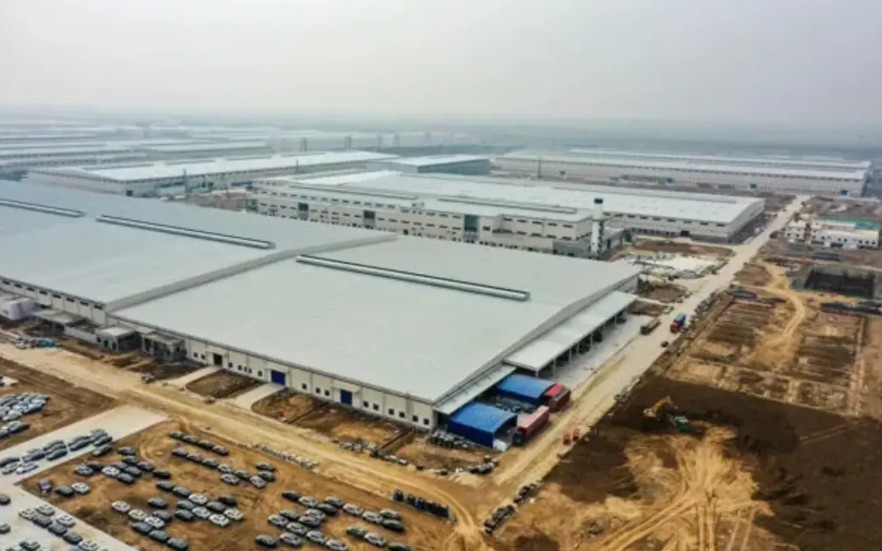
BYD’s origins as a battery manufacturer, long before it became a leading name in electric mobility, inform this strategy. Establishing production facilities in South Africa would allow the company to draw on that technical expertise while supplying not only the local electric vehicle market but also energy storage systems and possibly other industrial sectors.
The policy environment in South Africa appears to be moving in a direction that could support such investment. Government has revised its Critical Minerals and Metals Strategy and is proposing changes to automotive incentives that would allow up to half the value of critical minerals sourced from Southern Africa to count as local value addition in electric vehicle battery manufacturing. These measures are designed both to encourage regional processing of minerals and to attract battery producers.
Should BYD proceed with local battery manufacturing, the company could reduce its dependence on imported components while benefiting from existing and future incentive schemes.
The broader market for electrified vehicles in South Africa continues to expand rapidly. Sales data from Naamsa for June 2026 show that new energy vehicle registrations more than doubled year on year, reaching 3 045 units, a 104,2% increase from the 1 491 units sold in June 2025. These vehicles accounted for 6% of the 51 508 new light vehicles sold during the month, meaning roughly one in every 17 new light passenger vehicles was electrified.
Joubert Roux, co-founder and chair of Zero Carbon Charge, said the figures pointed to a sustained trend rather than a temporary spike. "Electric mobility is moving beyond early adopters and becoming an increasingly mainstream choice for South African consumers and businesses," he said.
For the first half of 2026, new energy vehicle sales totalled 13 193 units, comprising 6 667 hybrid electric vehicles, 4 623 plug-in hybrids and 1 903 battery electric vehicles. In June alone, traditional hybrids led with 1 488 units, representing 48,9% of the segment, followed by plug-in hybrids with 990 units and a 32,5% share, while battery electric vehicles recorded 419 units or 13,8%.
The market continues to follow a technology-diverse trajectory rather than shifting directly to full battery electric models, reflecting considerations around affordability, charging infrastructure and consumer driving habits. Naamsa supports a technology-neutral policy framework that allows manufacturers and consumers to choose between different low-emission and zero-emission technologies, arguing that such an approach supports consumer choice, investment and industrial competitiveness.
Naamsa interim chief executive Shinny Gobiyeza said the domestic automotive market was adapting to changing economic conditions and consumer preferences. "The continued growth in domestic vehicle sales, coupled with record levels of new energy vehicle adoption, demonstrates the resilience of South Africa's automotive industry," she said. "While export markets remain under pressure from global economic conditions, the domestic market continues to provide an important foundation for industry growth."
Lower entry prices for electric vehicles are supporting the trend. The most affordable new electric vehicle in South Africa cost close to R800 000 in 2023, but several current models are now priced below R520 000. The Geely E2 Aspire enters at R339 900, followed by the BYD Dolphin Surf Comfort at R341 900, with the Chery Q expected to launch in September from R350 000.
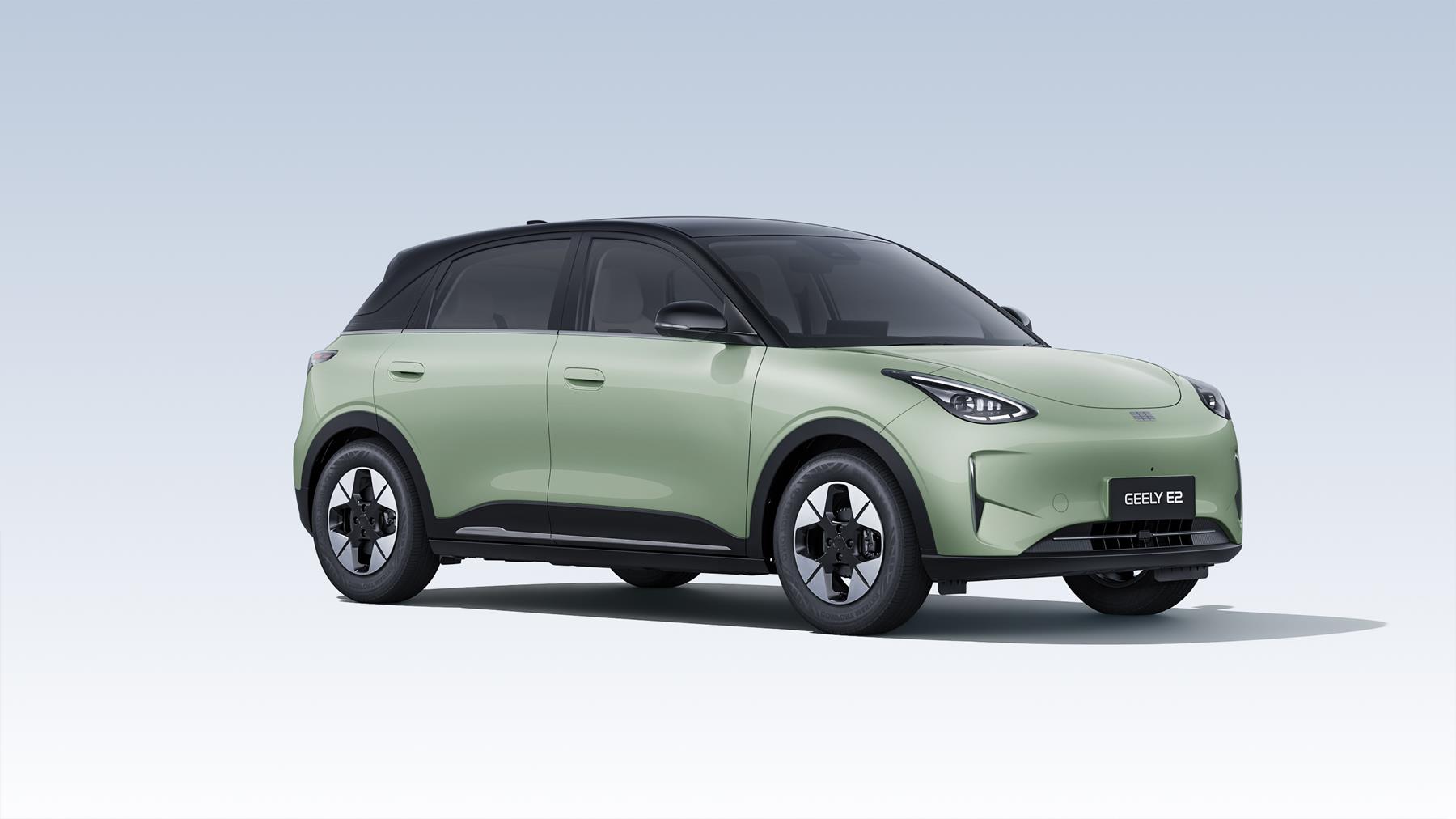
According to Roux, these lower price points are changing the financial calculus for both private buyers and fleet operators. "For years the conversation was about payback periods and total cost of ownership over five or ten years," he said. "Increasingly, in some categories, electric is simply the cheaper option on day one. That changes the conversation for both fleet operators and individual buyers entirely."
Morocco’s Integrated Model Offers Contrast
While South Africa positions itself for battery investment, Morocco has moved ahead with a comprehensive approach that combines Chinese industrial capital, government support and development finance. The African Development Bank’s recent approval of a $114 million loan – equivalent to roughly R2,1-billion – for Gotion High-Tech’s gigafactory in the North African country marks one of the largest development finance commitments to an African battery manufacturing project. The funding suggests that multilateral institutions are beginning to back battery production, which could encourage similar financing for projects elsewhere on the continent.
The bank’s support follows a pattern of Chinese companies, often in partnership with other players, increasing their investment in battery materials and manufacturing alongside vehicle exports and assembly operations. In Morocco, battery component production is already advancing. Abu Dhabi-based Falcon Energy Materials has commissioned a 25 000-tonnes-per-year anode materials pilot project at Jorf Lasfar, with technical and strategic partnerships with Chinese firms including Shanghai Shanshan New Material Co. and Hensen.
In 2024, Morocco signed a R5,6-billion agreement with China’s BTR New Material Group to build a cathode materials plant in Tangier. Cobco, a Chinese-Moroccan joint venture, has opened a battery components factory expected to produce enough materials for nearly one million electric vehicles annually once fully operational.
These investments complement Morocco’s existing vehicle manufacturing sector, creating an integrated ecosystem where battery materials, components and vehicle production increasingly reinforce one another. The United Nations Conference on Trade and Development, in its World Investment Report 2026, identified Morocco among emerging destinations benefiting from the global expansion of electric vehicle investment, alongside Brazil, India and Thailand. The country recorded about R61,5 billion in foreign direct investment inflows in 2025, supported by continued diversification into manufacturing and automotive activities.
UNCTAD also highlighted Morocco’s renewable energy strategy as a growing advantage for attracting energy-intensive manufacturing. At Jorf Lasfar, the Cobco joint venture plans to raise the share of green electricity in its operations to 80% in 2025 and 100% by the end of 2026, while Gotion’s gigafactory in Kenitra is linked to a dedicated renewable energy supply arrangement involving a 500-megawatt wind project and 2 000 MWh of battery storage. Logistics infrastructure, particularly the Tanger Med port and zones complex, has also been cited as a key factor in converting Morocco’s geographical position into export-oriented investment.
Policy Frameworks Will Determine Winners
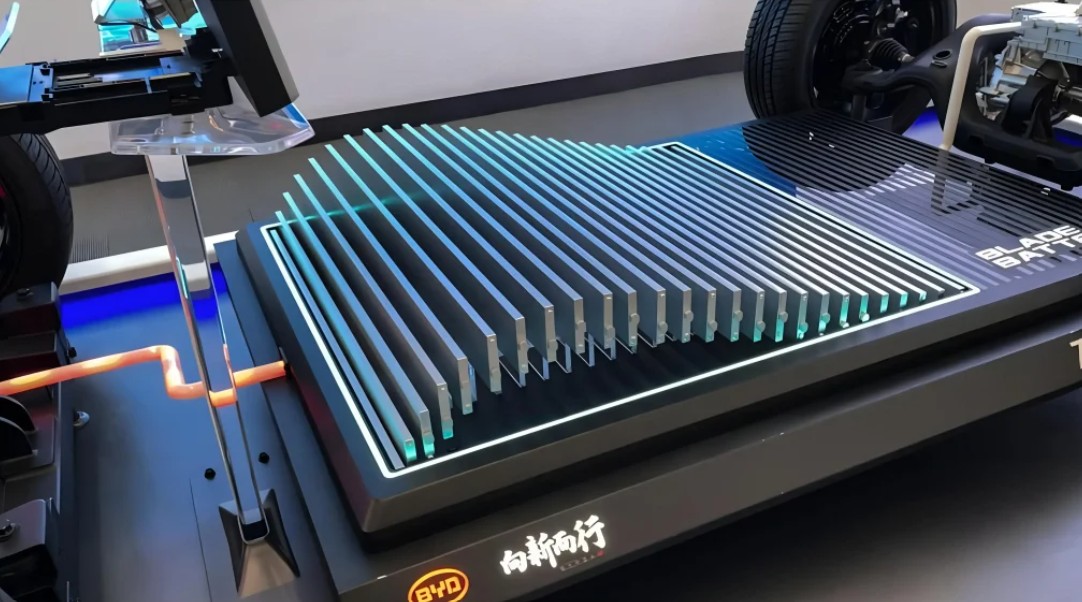
The contrasting approaches of Morocco and South Africa offer insights into where Africa’s battery industry is heading. Morocco shows how Chinese manufacturers, government policy and development finance can work together to establish production at scale. South Africa is seeking to create the conditions for similar investment but has yet to secure a major battery manufacturing commitment.
For other African countries hoping to move beyond vehicle assembly, the presence of mineral resources alone is unlikely to be sufficient. Building a battery industry also requires a coordinated and stable industrial policy that can attract investors and create pathways to long-term financing.
The African Development Bank’s backing of the Gotion factory suggests that development finance institutions are opening up to support battery manufacturing, rather than only electric vehicle deployment or charging infrastructure. That shift in approach could have significant implications for which countries attract industrial activity in the electric vehicle value chain and which fall behind.
Egypt Pursues Full Manufacturing Status
Egypt, meanwhile, is advancing its own ambitions to transform from a vehicle assembly hub into a full automotive manufacturing nation. Minister of Industry Khaled Hashem has held expanded discussions with the Presidential Advisory Council of Egyptian Scientists and representatives of automotive manufacturers and component suppliers, reviewing an industry development study that aims to double vehicle production over the next five years while deepening the localisation of components, particularly metal parts and vehicle bodies.
A joint committee has been formed comprising representatives from the ministry, the advisory council and manufacturers to develop an executive framework for implementing the study’s recommendations. The discussions focused on establishing an integrated automotive ecosystem linking assembly plants with domestic supply chains capable of producing components that meet international standards.
Hashem stressed that the ministry’s objective is to move beyond assembly and establish a fully integrated manufacturing industry covering every stage of the value chain. "Assembly is only one step toward making Egypt a true automotive manufacturing nation through local component production, technology localisation, and the development of a competitive industrial base capable of serving both domestic and export markets," he said.
The ministry is also coordinating with the finance ministry to launch a national vehicle scrappage and replacement programme, offering incentives to encourage citizens to replace ageing vehicles with newer, more efficient models, boosting demand for locally manufactured vehicles while generating additional scrap metal for domestic steel production.
Renewables and Logistics Underpin Morocco’s Appeal

UNCTAD noted that Morocco’s renewable energy targets and decarbonisation commitments, combined with arrangements giving firms access to dedicated renewable electricity, have helped position the country as an attractive location for battery materials and cell manufacturing. The report also pointed to the announced Sila Atlantik Cable project as an example of the growing regional dimension of investment in renewable energy, combining large-scale generation with subsea transmission infrastructure linking North Africa and Europe.
Logistics infrastructure is another major component of Morocco’s investment appeal. The Tanger Med port and zones complex is described as a gateway to Europe that converts the country’s geographical position into export-oriented foreign investment by integrating the port with surrounding special economic zones and industrial parks. The main automotive cluster lies within 35 minutes of the terminal, reducing inland time and variability between factory gates and vessel departure.
UNCTAD’s assessment suggests that Morocco’s competitive advantage is increasingly about more than attracting individual foreign companies. Its industrial zones, logistics infrastructure, renewable energy capacity and growing supplier base are helping position the country within emerging global value chains, particularly those linked to electric mobility and the energy transition. The report nevertheless notes that attracting investment alone is not sufficient; developing economies need to connect foreign investment with local suppliers, skills, innovation and employment to ensure that investment contributes to broader domestic industrial development.
https://bit.ly/3SBcF0C

No comments:
Post a Comment