Monday, 23 March 2026

Ford and Toyota's Impact on Literacy in South Africa

Ford and Toyota's Impact on Literacy in South Africa

Two of South Africa's automotive manufacturers have reinforced their commitment to education through the Rally to Read programme, with Ford completing its 2026 delivery in the Eastern Cape while Toyota continues its support in KwaZulu-Natal.

Ford Motor Company of Southern Africa concluded its annual Rally to Read in the Eastern Cape recently, delivering books, teaching materials and teacher aids to rural schools in the Nelson Mandela Bay and Sarah Baartman districts. The resources are intended to strengthen reading outcomes in the early years of schooling.


The rally marks the second year of a three-year programme cycle that began in 2025, providing learning materials, teacher training and sustained classroom support to schools in the region. Ford has supported the Rally to Read initiative for more than two decades, and since 2019 has organised its own single-funded events together with the READ Educational Trust.

“At Ford, we believe that if our community investments are not creating generational impact, they are unlikely to change the trajectory of people’s lives,” said Neale Hill, President of Ford Motor Company, Africa.

“Our approach is what we describe as ‘cradle to vocation’, recognising that meaningful economic participation begins with strong foundations in the earliest years of education. Literacy sits at the very beginning of that journey. When children learn to read with understanding, they unlock the ability to succeed in every other subject, ultimately creating pathways to opportunity and shared prosperity.”


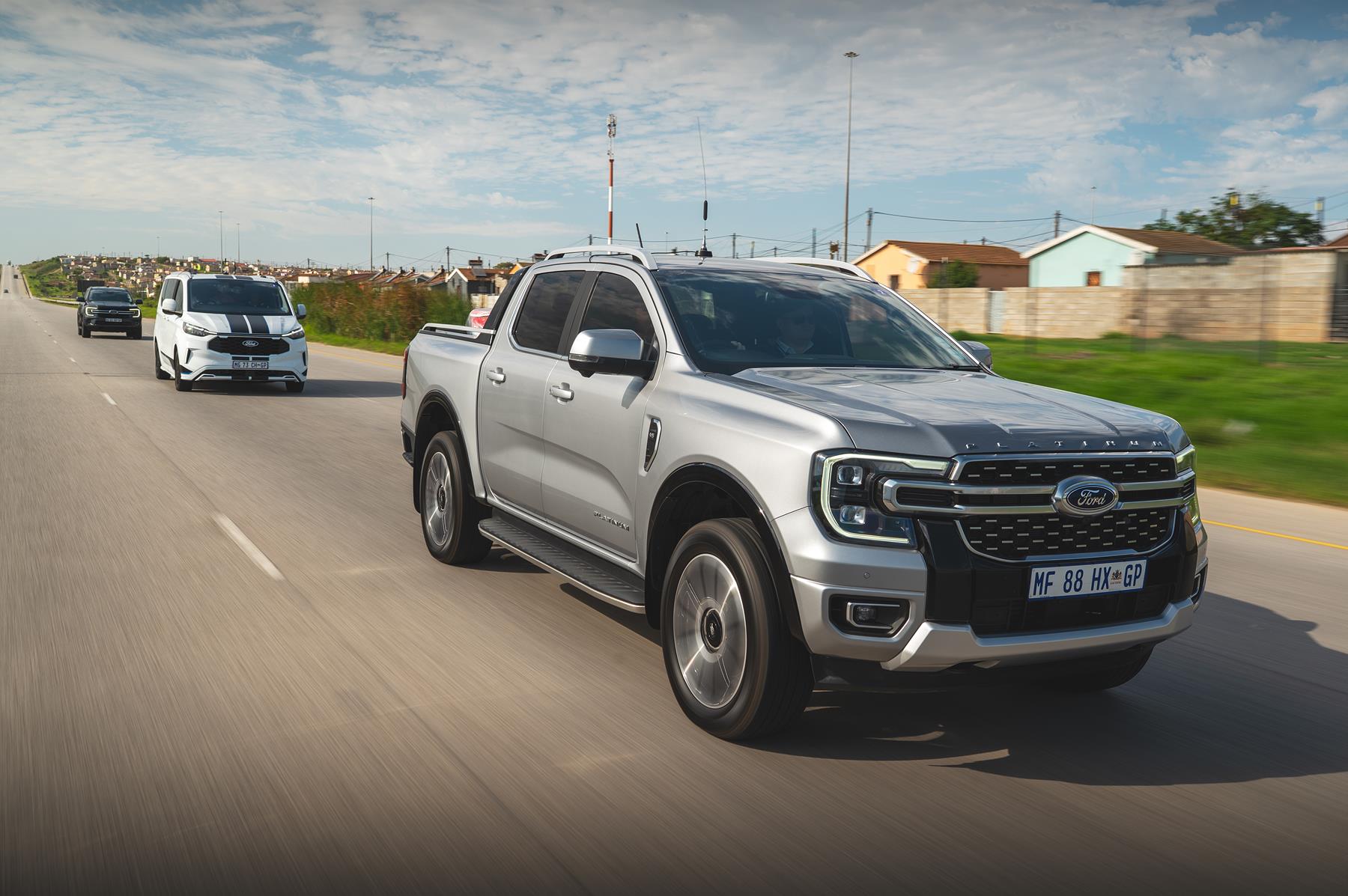
Ford’s presence in the Eastern Cape spans generations, with the Struandale Engine Plant in Gqeberha remaining central to the company’s global manufacturing network. Earlier this year, Ford donated three Transit vehicles to the READ Educational Trust to help the organisation reach under-resourced schools more efficiently. One of the vehicles has been converted into a mobile library.

Sibhekaphi Sibanda of the READ Educational Trust said literacy was fundamental to accessing the broader curriculum.

“When learners cannot read and write effectively, they are automatically excluded from subjects such as mathematics, science and technology,” Sibanda said. “Strengthening literacy early gives children access to the rest of their education and to the opportunities that follow.”

Toyota South Africa Motors has meanwhile continued its support of Rally to Read in KwaZulu-Natal, contributing more than 5 000 school shoes to all 13 participating schools in the province alongside classroom resources. The donation forms part of an initiative launched in 2023 that has now distributed 24 000 pairs of shoes to learners in underserved communities.


The shoes are manufactured from recycled disposable hospital drips through Netcare’s MyWalk initiative, a circular innovation that converts waste materials into durable footwear.

Andrew Kirby, President and CEO of Toyota South Africa Motors, said the company’s participation reflected its broader citizenship philosophy.

“As a brand deeply rooted in South African communities, Toyota South Africa Motors is honoured to be part of an initiative that places literacy and ultimately opportunity within reach for thousands of young learners,” Kirby said.

“Our continued participation in Rally to Read reflects our broader corporate citizenship philosophy. We believe that meaningful societal progress begins with accessible, high quality education and the basic resources that enable learners to thrive.”

Through its partnership with the READ Educational Trust, Toyota provides foundation phase reading books, classroom libraries, educational supplies and teacher development support. The Rally to Read programme has reached nearly 1 000 schools and 700 000 learners nationally, with participating school clusters showing measurable improvements in literacy competency and reduced dropout rates.
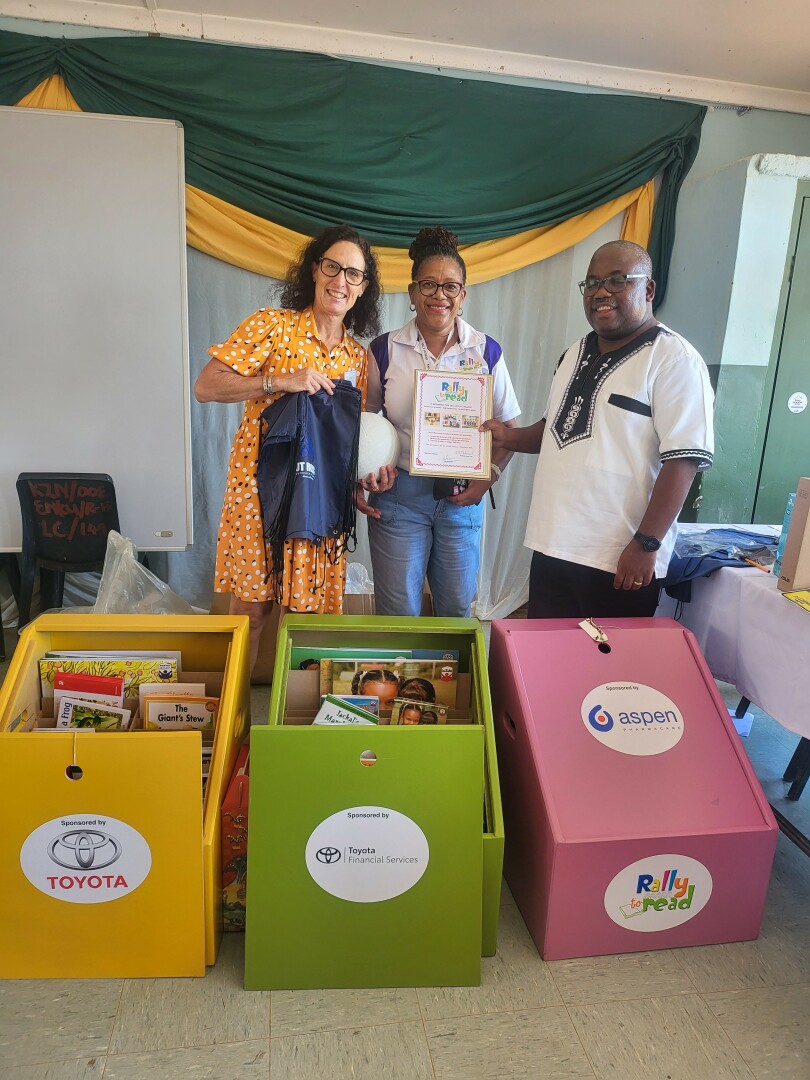

Hill said the programme’s impact was best understood through the moments that unfolded in classrooms.

“During the rally we often speak about numbers, the schools reached, the teachers trained and the learners supported. But when you visit these classrooms, you realise that behind every number is a teacher doing their best with limited resources, and a child discovering the confidence to read,” he said.

“When you intervene in literacy during the earliest years of education and sustain that work over decades, you are not simply running a programme. You are creating what we believe is a generational correction mechanism that helps unlock opportunity for children and communities over the long term.”

https://bit.ly/4uHE0N7

Sunday, 22 March 2026

Egypt's Automotive Market Recovery Compared to South Africa

Egypt's Automotive Market Recovery Compared to South Africa

The future of South Africa’s automotive industry hangs in the balance as parliamentary leaders and global manufacturing executives call for urgent government intervention to protect the sector from aggressive international competition, while elsewhere on the continent Egypt’s market shows signs of a robust recovery.

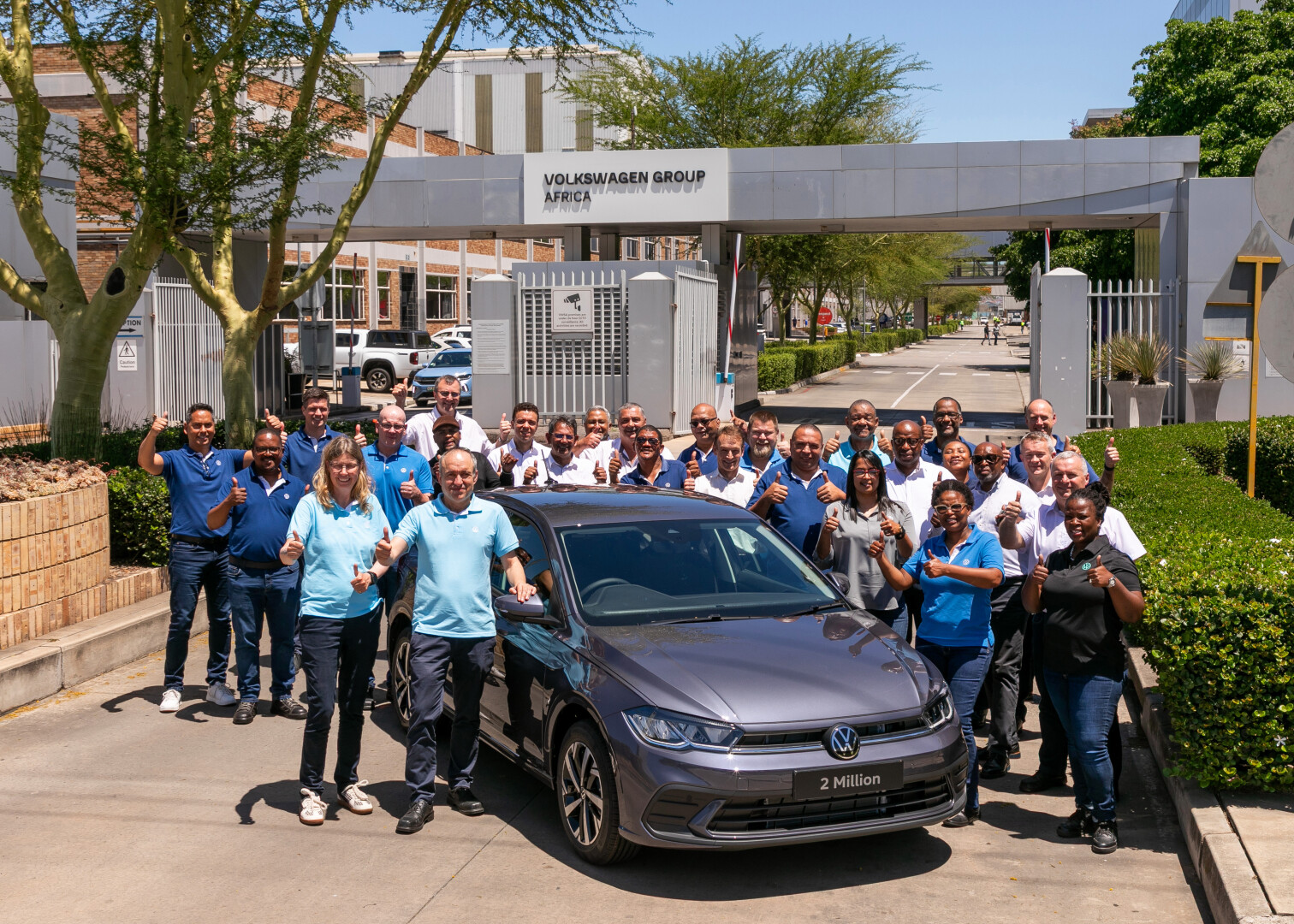
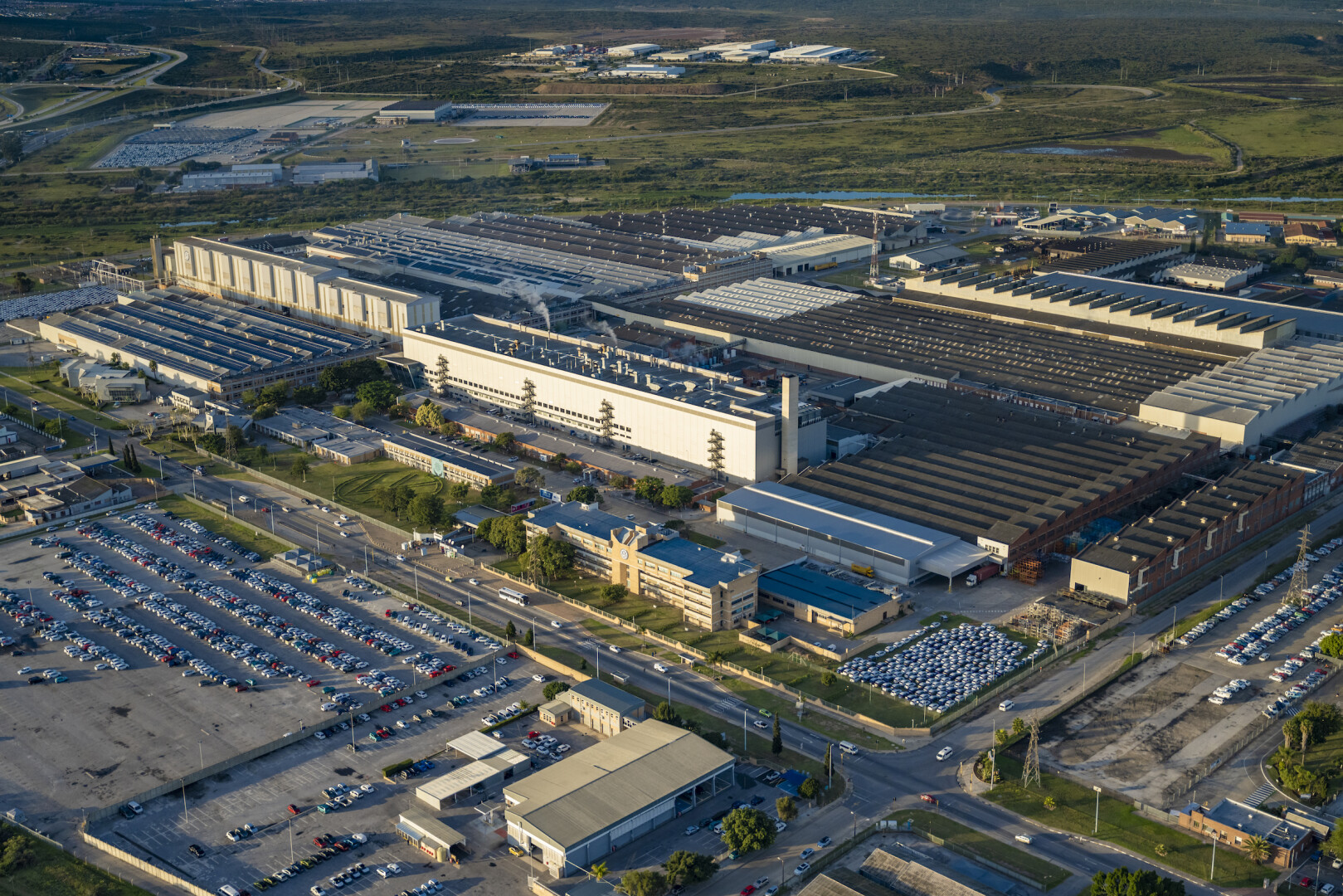
During an oversight visit to the Eastern Cape recently, the Portfolio Committee on Trade, Industry and Competition met with industry giants including Volkswagen Group Africa and Isuzu to assess mounting challenges facing the Coega Special Economic Zone and the broader automotive precinct.


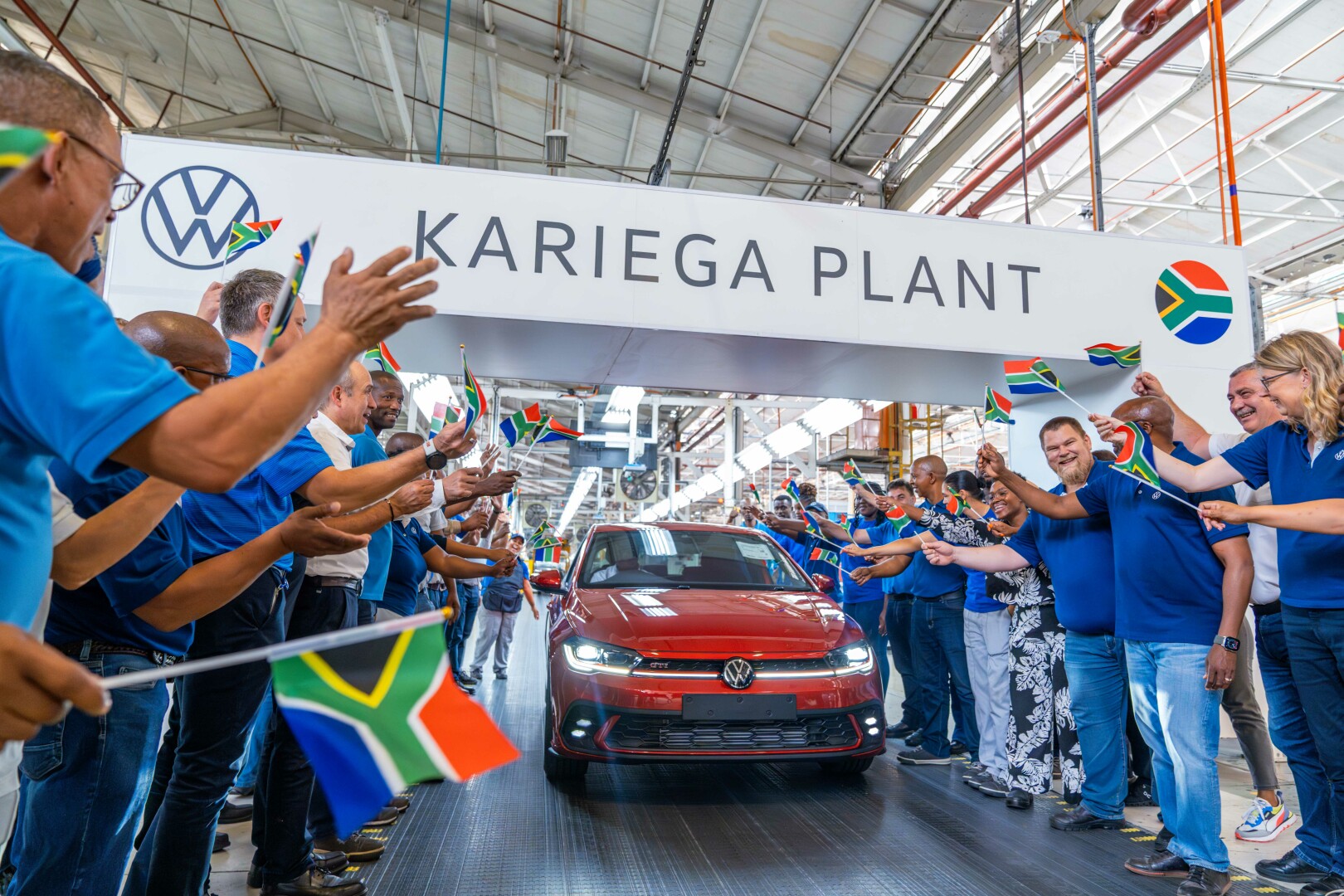
Volkswagen Group Africa chairperson and managing director Martina Biene revealed the high stakes facing the Kariega-based manufacturer, warning that decisions made now will determine whether new models are produced locally in the next decade.

“I’m now pitching for an investment in 2030, and I need that approval now,” said Biene. “If Volkswagen does not consider spending money in South Africa, then I won’t be able to launch a new car in 2030.”

The stakes are particularly high as the group weighs whether to produce its next generation of new energy vehicles in South Africa or shift that capacity to more cost-effective hubs in India.

“It’s not about protectionism,” she said. “It’s levelling the playing field in terms of cost of doing business, which is way lower in India and also lower in China for very different reasons.”

Portfolio Committee chairperson Mzwandile Masina echoed these concerns, noting that the committee identified quite a number of critical challenges during visits to the Coega SEZ and Volkswagen facilities. Masina pointed to the country’s competitive disadvantages, particularly regarding labour costs.

“We’re informed that in terms of labour cost, India, as an example, is 35% cheaper to produce a car because of their labour laws,” he said.

While reaffirming South Africa’s position as an open economy, Masina said the committee is finalising a report with far-reaching recommendations to protect the sector. “We had to tighten our labour laws due to our history. Therefore, it will be important to strike the balance between our labour laws and ensuring we can have affordable production here in South Africa.”


Beyond policy, both government and industry flagged serious concerns about infrastructure and service delivery. Biene provided a stark look at the logistical reality, explaining the company has been forced to abandon rail for road transport.

“Currently, for the domestic market business, we’ll truck all of our cars,” Biene said. “We’ll have in the domestic market probably 50 000 to 60 000 sales. The majority of that is sold in Gauteng province, so it all gets trucked from here to Gauteng because the South Corridor is not operational because of cable theft or infrastructure.”

She noted that even if the rail were functional, the financial burden remains a barrier. “If it would be operational now, we would have to pay more, and it’s the infrastructure cost of doing business which I tried to raise.”

Masina acknowledged the strain on municipalities, particularly ageing infrastructure, and stressed the need for stronger collaboration between local government and major investors.

As Volkswagen prepares for the 2027 launch of its new A0-entry SUV, known as Project Tengo, the success of current operations remains a prerequisite for the 2030 investment approval.

While South Africa confronts these challenges, Egypt’s automotive market has shown strong momentum. According to data published by the Automotive Market Information Council, vehicle sales reached 14 100 units in January 2026, compared to 10 150 units in the same period in 2025, representing a 38,7% year-on-year increase.

The performance was driven largely by passenger cars, which increased by 43,3% to around 10 900 units. The bus segment also showed growth, with 901 units sold compared to 698 a year earlier, while truck sales increased by 25 03% to 2 278 units, a key indicator of recovery in productive activity and domestic trade.

The January figures follow strong performances in recent months. In November 2025, vehicle sales surged by 54,7% year-on-year to around 16 800 units.

Egypt’s Industry Minister Khaled Hashem recently met with a delegation from Mercedes-Benz Egypt headed by chief executive Stefanie Volz to discuss opportunities to localise automotive manufacturing and expand the company’s operations. The discussions explored investment opportunities in line with the government’s strategy to deepen local manufacturing and facilitate the transfer of advanced technologies.

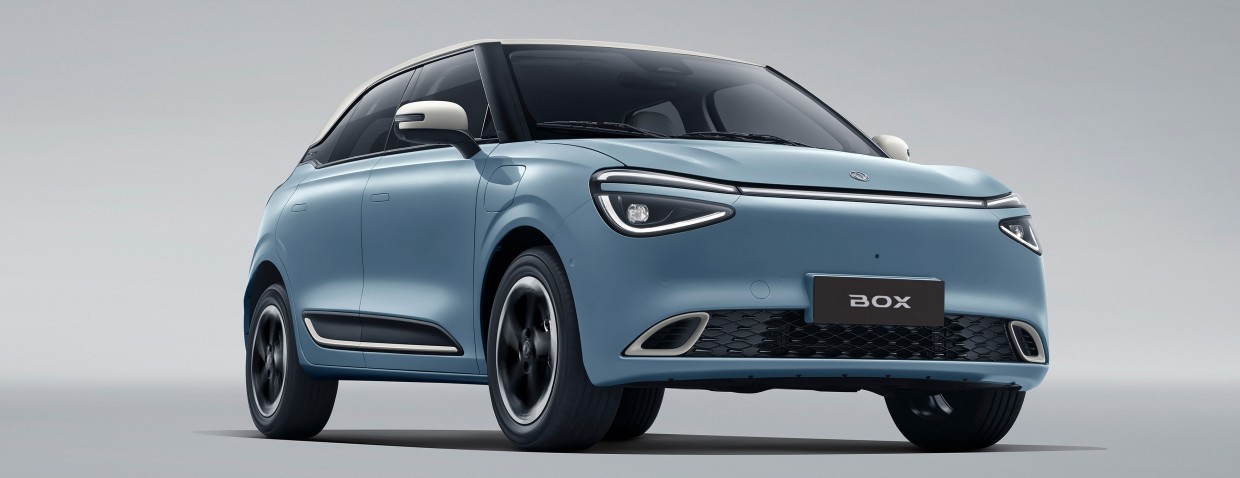
Dongfeng Box from SN Automotive in Egypt

Hashem noted that the Automotive Industry Development Programme represents a key pillar in attracting major international brands, offering incentives designed to localise the industry. The programme links investment incentives to increasing the share of local content and expanding domestic supply chains.

Volz expressed the company’s aspiration to further strengthen its strategic partnership with the Egyptian government, noting that Mercedes-Benz is marking 26 years of operations in Egypt.

Meanwhile, data compiled by the International Organization of Motor Vehicle Manufacturers shows South Africa consistently ranks among the countries with the highest car ownership in Africa, supported by a developed automotive industry, a relatively large middle class, and extensive road networks in major urban centres. Access to vehicle financing and a thriving used car market have also made ownership more attainable.

South Africa consistently ranks among the highest, supported by a developed automotive industry, a relatively large middle class, and extensive road networks in major urban centres. Access to vehicle financing and a thriving used car market have also made ownership more attainable for many households.

Libya has historically recorded high ownership levels due to low fuel prices stemming from its oil wealth, combined with long distances between cities and limited public transport options. Despite political and economic challenges in recent years, car ownership remains widespread.

Small island nations such as Mauritius and Seychelles also feature prominently, buoyed by stable economies, higher household incomes, and growing populations that increasingly rely on private vehicles for daily commuting.

Botswana and Namibia round out the list, where vast distances between communities make private transport a practical necessity. Both countries have invested heavily in road infrastructure in recent years, further supporting vehicle ownership.

Algeria and Morocco complete the picture as North Africa’s largest markets, with rising urbanisation and government policies encouraging local assembly driving demand across both countries.

In West Africa, Nigeria’s automotive aftermarket is drawing attention as a potential growth frontier. Industry estimates suggest the country’s spare parts market is worth between $5-billion and $6-billion annually, with new original equipment manufacturer components and aftermarket parts accounting for roughly 70% to 80% of that figure. Second-hand parts, commonly known as tokunbo, make up the remainder.

Mechanical engineer Okpamen Obasogie said the combination of a large replacement market, high import dependency and foreign exchange pressure has created a significant opportunity for localised spare parts manufacturing, particularly in high-turnover components such as brake pads, filters and suspension parts.

https://bit.ly/3PBh8P0

Tuesday, 3 March 2026

MAN Truck's Fuel-Efficient Tech: A Game Changer for South Africa

MAN Truck's Fuel-Efficient Tech: A Game Changer for South Africa

German truck maker responds to market squeeze with fuel-efficient technology and expanded support programmes


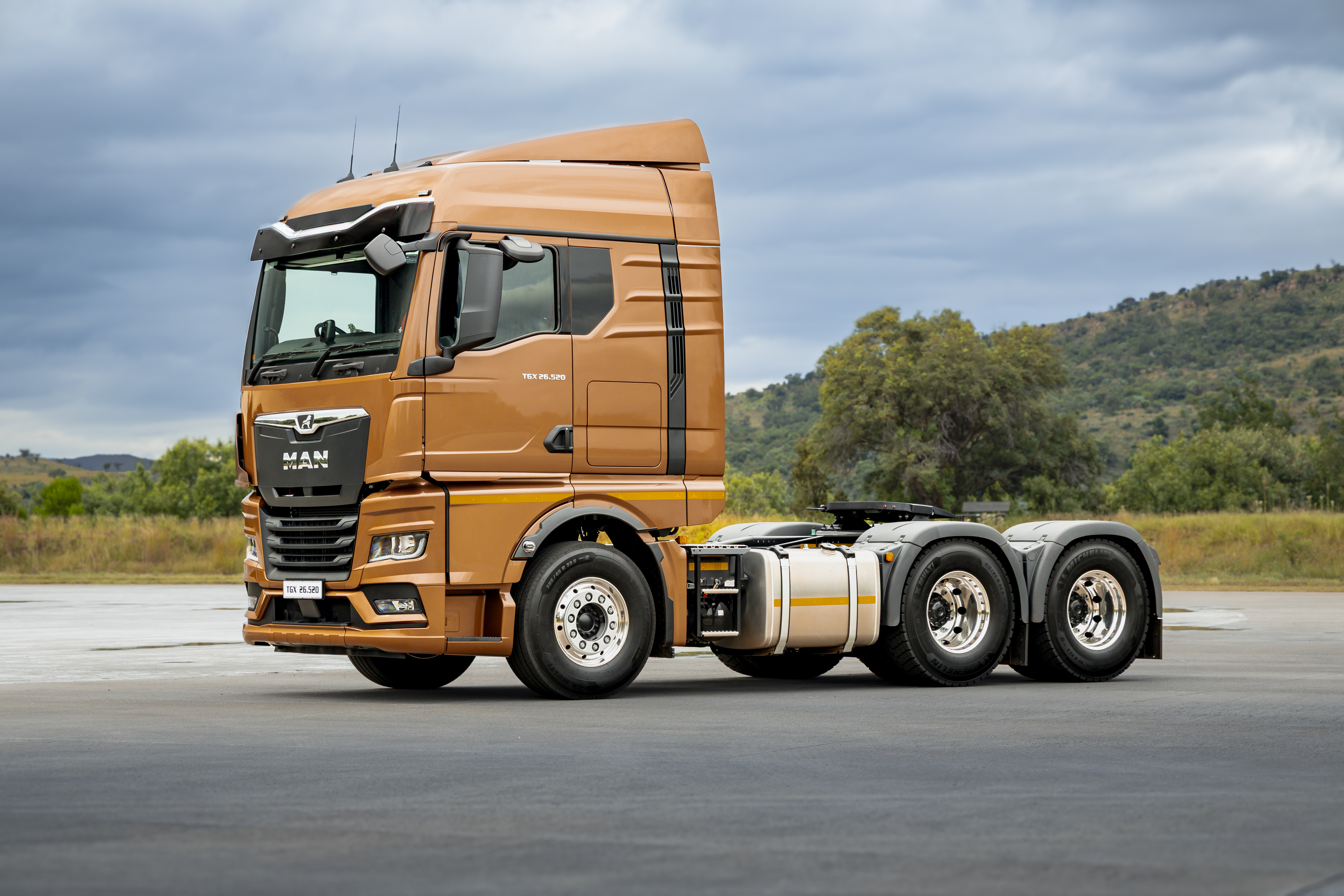
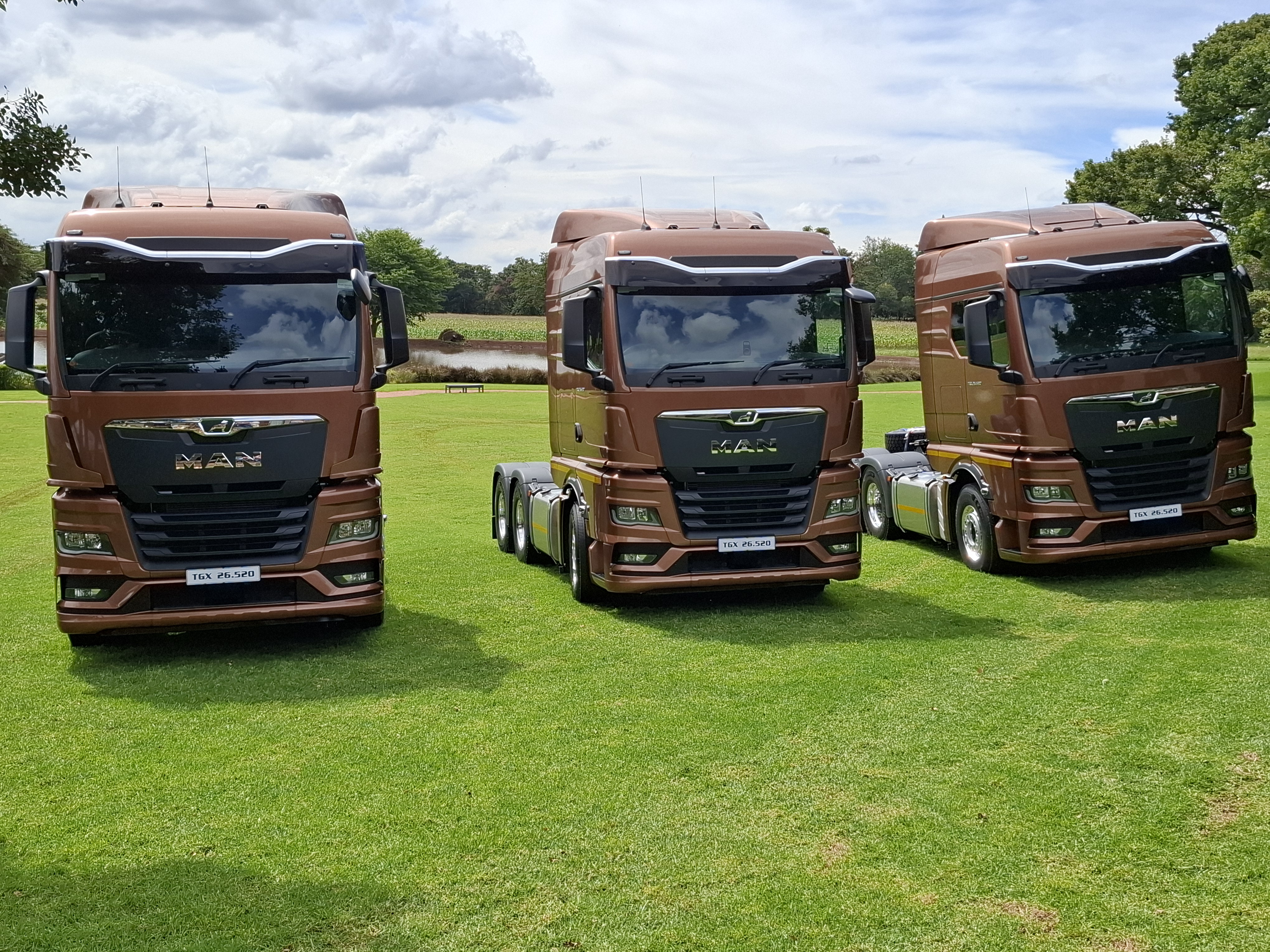
MAN Truck & Bus has taken the wraps off a comprehensive update to its heavy-duty vehicle range, introducing a new flagship model and re-engineered powertrain at a time when South Africa's transport industry is navigating intense economic pressure and shifting competitive dynamics.

The centrepiece of the launch is the TGX 26.520, a 6x4 truck tractor equipped with the company's newly developed D26 Efficiency engine. The 12,4-litre power unit produces 387 kW and 2 600 Nm of peak torque, consolidating MAN's previous engine offerings into a single, more efficient platform. The new engine replaces the outgoing D20 and D26 series while delivering an additional 150 Nm over its predecessors.

Engineering refinements target fuel savings

The technological upgrades focus on incremental improvements designed to reduce operating costs. Higher injection pressures of up to 1 800 bar enable more complete fuel combustion, while electronically controlled turbocharging provides precise boost management. Inside the engine, steel piston rings have been reinforced for extended durability.

The torque curve has been remapped to deliver maximum pulling power from lower engine speeds, starting at approximately 930 r/min. This change makes the vehicle easier to drive in yard manoeuvres and contributes to fuel efficiency, particularly during low-speed operations.

The author doing a truck driver impression

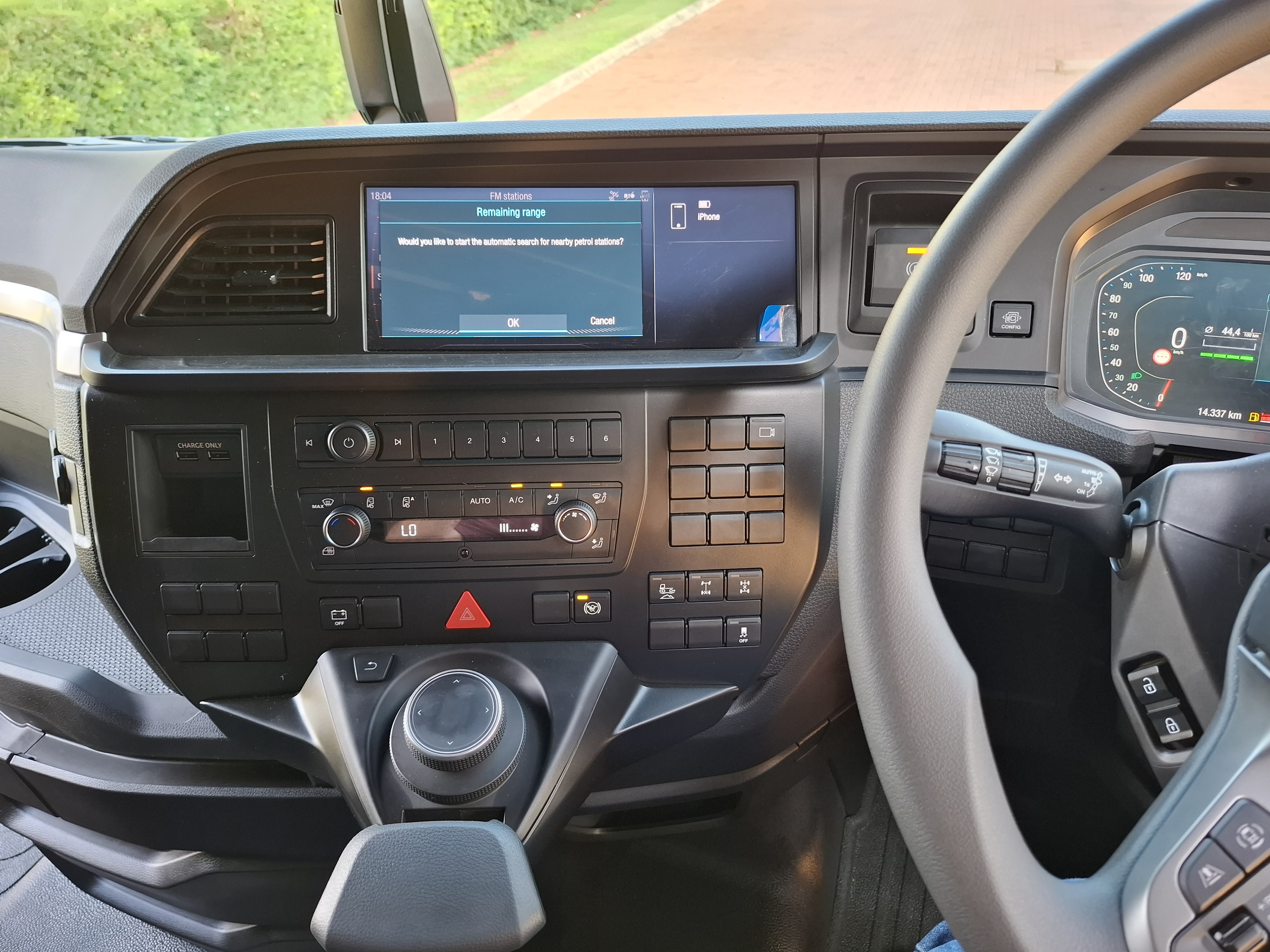
Software enhancements accompany the mechanical changes. The trucks will introduce EfficientCruise to the South African market, a system that uses topographic data to anticipate road conditions and pre-select gears before inclines or descents rather than reacting to them. An EfficientRoll function allows automatic coasting in neutral on downhill sections to conserve fuel.

Safety features now come standard with Emergency Brake Assist capable of detecting pedestrians and cyclists, Adaptive Cruise Control, and a driver's airbag. The braking system combines an electronically controlled engine brake with an Equal Retarder that minimises driveline drag when not engaged, delivering up to 805 kilowatts of continuous braking power. A visible red seatbelt has been added as a practical feature for mining operations where compliance checks occur from outside the vehicle.

The Euro 5 versions achieve up to 3% lower fuel consumption compared to the previous generation, while Euro 2 models see improvements of up to 6%, according to company data. Further reductions are possible with optional aerodynamic packages and the OptiView digital mirror system.


Drive360 positions MAN as broader partner

Alongside the vehicle launch, MAN introduced its Drive360 initiative, framing the company as a full-service partner rather than simply a manufacturer. The approach encompasses vehicle specification support, financial services through MAN Financial Services, and a tiered aftersales structure.

The parts portfolio now includes four product lines designed for vehicles at different life stages. MAN Genuine Parts carry a two-year warranty for vehicles under maintenance contracts. Ecoline offers re-engineered components from dismantled vehicles, also with two-year coverage. Line360 provides locally sourced parts built to German technical standards with minimum one-year warranties. A used parts programme sells certified components from pre-owned vehicles with three-month warranties, aimed at keeping older trucks on the road economically.

The company expects to disassemble around 60 vehicles in 2026 through this channel, recovering components from write-offs that might otherwise be scrapped.

MAN TopUsed, the certified pre-owned vehicle programme, operates from Centurion, Pinetown and Cape Town, offering entry points for smaller operators while supporting trade-back opportunities for existing customers. The training academy provides on-site driver coaching aimed at reducing fuel consumption and maintenance costs.

Market pressures intensify from multiple directions

Jan Aichinger

The technical launch was accompanied by a frank assessment of industry conditions from managing director Jan Aichinger, who described the past year as difficult for the entire transport sector in South Africa and neighbouring markets.

While MAN has maintained its share of the premium European truck segment at approximately 15.9%, this stability masks a shrinking overall market. The budget Japanese segment has recorded modest growth, but the most significant shift has been the rapid emergence of Chinese manufacturers as serious competitors.

Aichinger was direct about the changing landscape, noting that larger fleets are now turning to low-cost alternatives. The customer base that previously remained loyal to European brands is increasingly considering other options, he said.

The effects are most visible in the used truck market, where nearly every second new vehicle is sold with a residual value attached. As market conditions soften, customers return vehicles, swelling used stock levels. At the start of 2025, this posed a major concern, with new low-cost trucks competing directly in the same space as young used European vehicles.

MAN responded by selling more than 700 used units in 2024, reducing its stock holding from nearly 500 vehicles to around 300. Aichinger said the objective is to maintain control of the business rather than being forced into reactive positions by high stock levels.


Local investment continues despite policy frustrations

Despite challenging market conditions, MAN continues to invest in its South African operations, which include two production sites outside Europe in Pinetown and Olifantsfontein. The Pinetown plant was recently designated as the first carbon-neutral automotive facility in South Africa, operating partially on solar power.

The company maintains around 70 apprentices and a youth employment programme. On the bus and coach side, MAN is preparing to launch an extensively updated Lion's Explorer range in August, with the first deliveries expected in early 2027 following significant local engineering input.

Aichinger, however, expressed frustration that government procurement does not always favour manufacturers with local production presence. Citing the RT57 tender as an example, he noted that the top-rated bidders were not necessarily companies building vehicles locally. He called for policy changes that would direct government purchasing toward locally produced products, describing this as a relatively simple adjustment that could have substantial impact.

He also reiterated the industry's call for regulatory clarity regarding Euro 5 emission standards adoption. Without a confirmed implementation date, manufacturers remain uncertain about future investment directions. The absence of clear timelines slows the pace of investment that the industry could otherwise deliver, Aichinger said.

The new D26 Efficiency engine platform will be progressively integrated across the entire TGS and TGX product portfolio throughout 2026, standardising MAN's heavy-duty offering in the region.

https://bit.ly/4r3hKu1