Wednesday, 23 September 2026

UD Trucks positions itself as long-term partner for Southern African fleet operators

UD Trucks positions itself as long-term partner for Southern African fleet operators

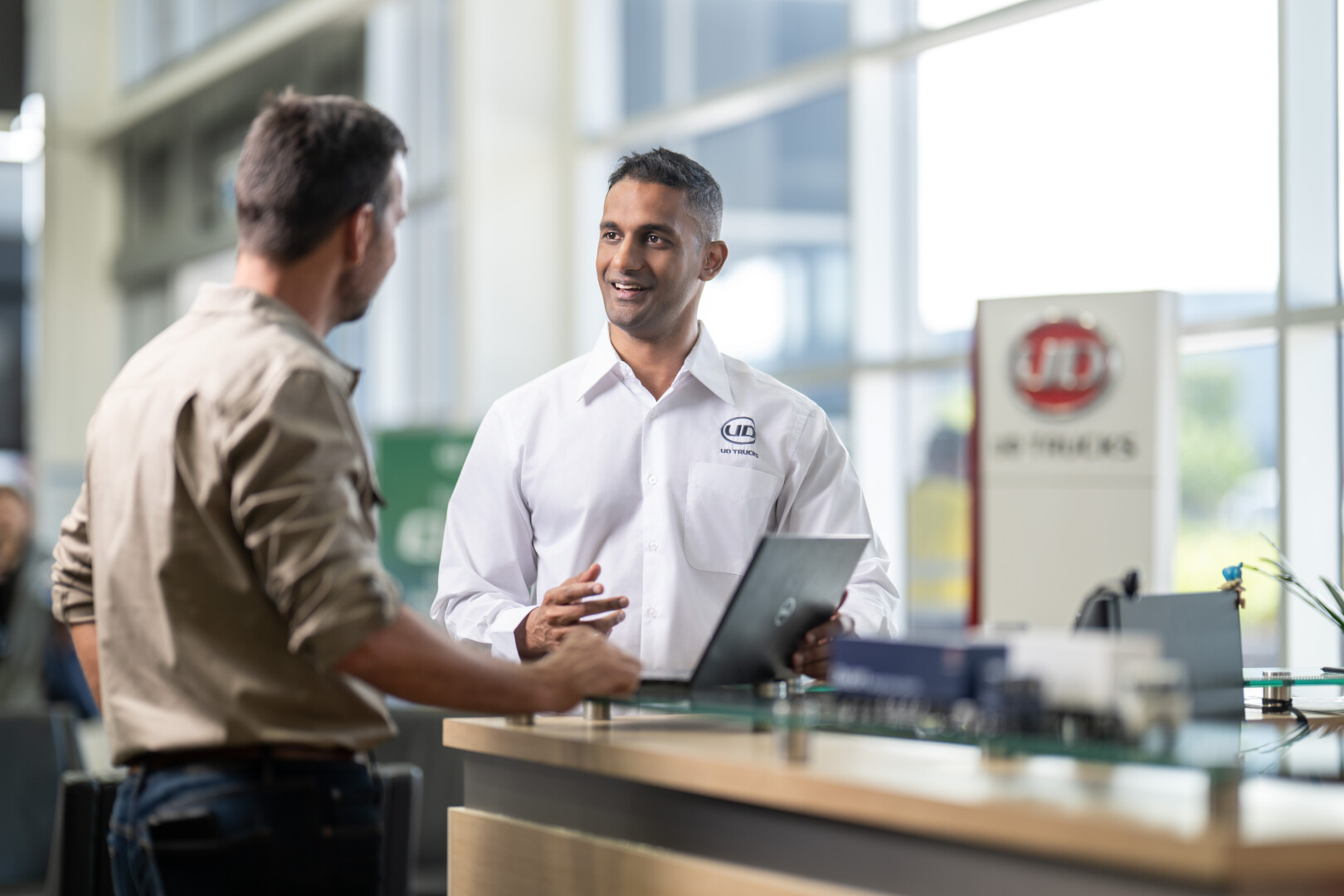
Transport operators in Southern Africa continue to face a difficult operating environment, with rising costs, driver shortages and mounting pressure to run leaner, more efficient fleets. In response, UD Trucks Southern Africa has outlined a broader approach to customer support, built around what it calls Ultimate Dependability, aimed at assisting operators for as long as their vehicles remain in service.

The company frames the initiative around three areas: partnership, performance and value, each intended to address a different part of a transport business's day-to-day operations.

On the partnership side, UD Trucks says it works to understand how individual fleets function rather than applying a one-size-fits-all approach. Tools such as My UD Fleet, Vehicle Health Monitoring and its Eco Coach Report and Fuel Consultancy service give operators data on vehicle performance, driver behaviour and fuel use, which the company says can help with decisions around utilisation and cost control. This is supported locally by UD Trucks' dealer network.


Filip Van den Heede, managing director of UD Trucks Southern Africa, said the needs of transport operators went beyond the vehicle itself. "Our customers operate in some of the most demanding transport environments, and their needs go far beyond the truck itself," he said, adding that the company's aim was to support customers throughout the working life of a vehicle, not only at the point of sale.

On performance, the company points to preventative maintenance, servicing and diagnostics as ways of reducing unplanned downtime. This includes UD Genuine Service, UD Certified Technicians, and UD Genuine Parts and Lubricants, along with services such as Remote Vehicle Diagnostics and Smart Service Planning that are intended to flag problems before they escalate. 

Driver training also features, with UD Driver Training aimed at improving how vehicles are operated on the road. The company has also introduced UD Smart Cam, currently available on selected Quester Truck Tractor models, as an added layer of driver support.

Sanjay Naipal, director of aftersales at UD Trucks Southern Africa, said the intention was for vehicles to keep delivering value well after purchase. "Our role is to help customers protect uptime through the right combination of genuine parts, professional service, maintenance expertise, diagnostics and technical support," he said.
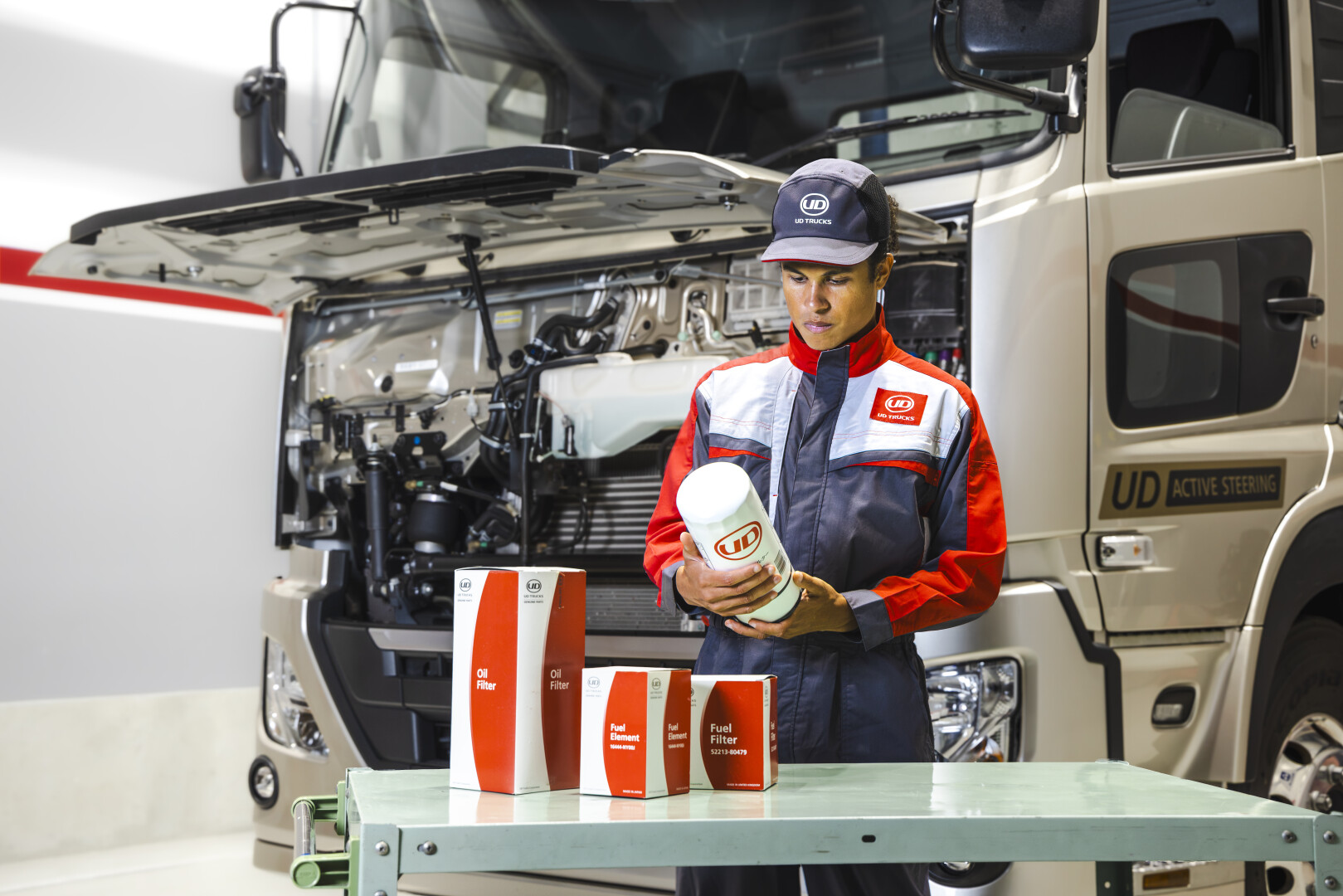

The value component centres on total cost of ownership and return on investment. UD Trust Service Agreements offer structured maintenance planning, while UD Road Support provides roadside assistance and Mobile Workshop services bring technical support closer to where operators are based. Genuine parts and selected remanufactured components are positioned as a way of managing repair costs and turnaround times.

Naipal said the value a truck offered a customer was not limited to its purchase price. "It is about what that truck delivers for the customer over its entire working life," he said, describing the company's aftersales approach as centred on managing total cost of ownership while keeping vehicles on the road for longer.

Taken together, the three areas reflect an attempt by UD Trucks Southern Africa to position itself as more than a vehicle supplier, extending its role into maintenance planning, driver development and ongoing technical support. The company says this approach forms part of its broader positioning as a total transport solutions partner in the region.

https://bit.ly/4xBmn1t

Tuesday, 15 September 2026

Volvo Trucks Wins International Award for Electric Model

Volvo Trucks Wins International Award for Electric Model

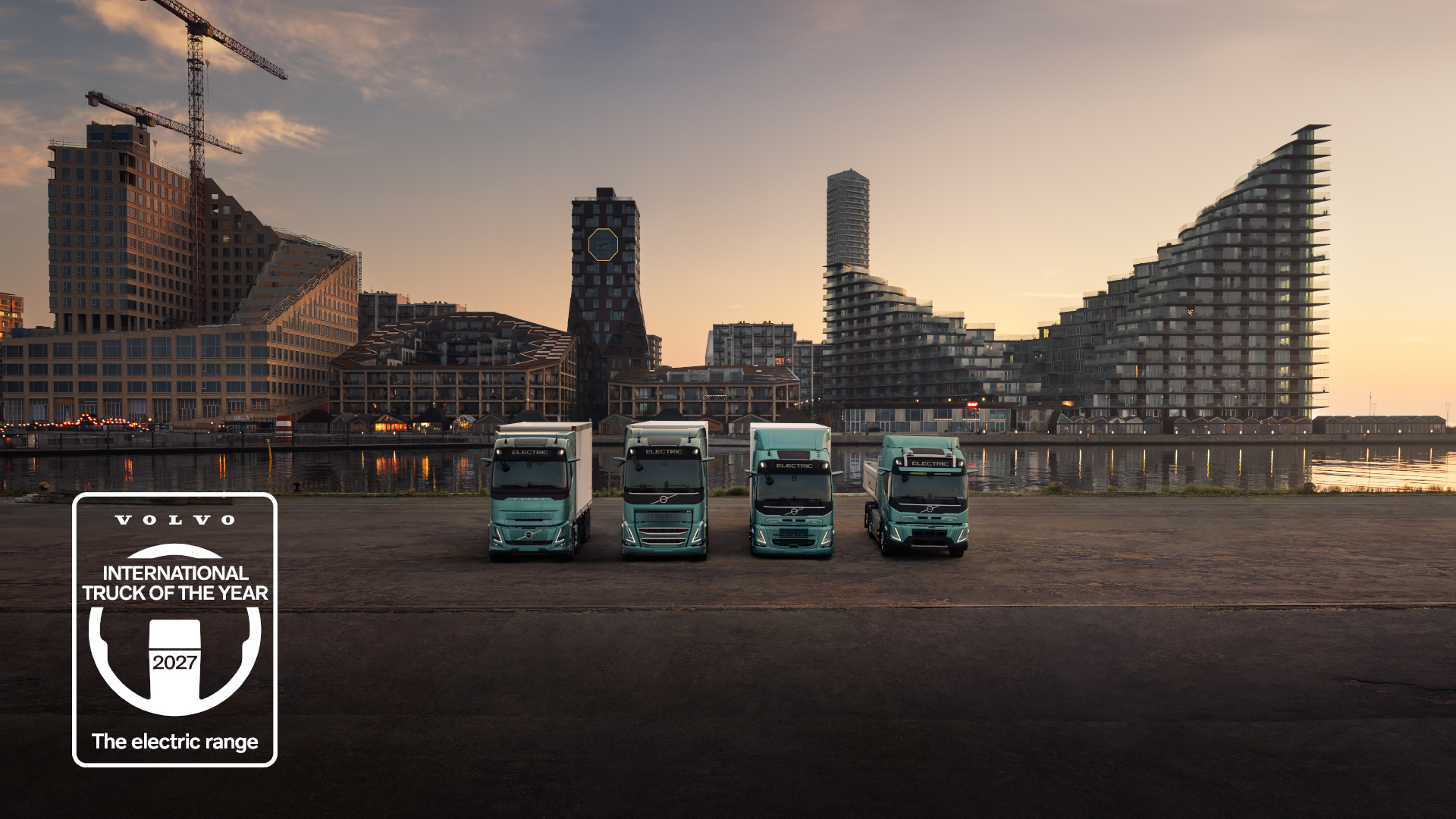
Volvo Trucks has received an international industry award for its electric truck range. The recognition marks the company’s eighth win of the accolade and the second time its FH Electric model has been named International Truck of the Year. The award acknowledges electric transport as a workable option across a growing number of applications.

The heavy-duty electric line-up, which includes the Volvo FH, FM, FMX Electric and FH Aero Electric, was selected as International Truck of the Year 2027. According to the company, the range offers a driving distance of up to 700 km, along with improved payload capacity and shorter charging times than earlier models. It is intended for regional and long-haul transport, city distribution, construction and utility work.


The jury noted how Volvo has expanded its electric portfolio beyond a single vehicle or use case. It highlighted the combination of longer range, different cab and chassis configurations, and various solutions that can be adapted to different transport tasks.

Florian Engel, chairman of International Truck of the Year, said the winning range represents a significant development in the company’s battery-electric heavy-duty offering. He added that it shows how quickly battery-electric heavy-duty transport is shifting from individual applications towards a broader transport solution.

Roger Alm, president of Volvo Trucks, received the award during a ceremony at IAA Transportation in Hanover, Germany. He said the recognition confirms the company’s position in electromobility and noted strong demand for the new electric trucks, with the order book almost full. According to Alm, the range allows more operations to choose transport with zero tailpipe emissions.

Since 2019, 7,000 electric Volvo trucks have covered 500 million kilometres worldwide. Close to 2,000 customers in more than 50 countries currently use electric Volvo trucks in their daily operations.

Volvo Trucks offers eight electric truck models designed for a range of transport assignments. Over seven years of electrification, the company has developed expertise in optimising energy usage, charging and service for electric trucks.

The International Truck of the Year organisation was established in 1977 and consists of 24 commercial vehicle journalists from major trucking magazines across Europe. The annual award goes to the truck introduced to the market in the previous 12 months that has made the most significant contribution to road transport efficiency. Judges assess criteria including technological innovation, comfort, safety, drivability, energy efficiency, environmental impact and total cost of ownership.

https://bit.ly/4htJvKo

Monday, 14 September 2026

Africa Automotive: ARC Ride Launches Electric Motorcycle Fleet with $33M

Africa Automotive: ARC Ride Launches Electric Motorcycle Fleet with $33M

Kenyan electric mobility company ARC Ride has closed a US$33,3-million funding round, equivalent to approximately R538-million and confirmed its entry into the South African market alongside planned expansions into Ghana, Tanzania and Uganda.

The equity and debt round was led by Norrsken22 and Novastar Ventures, with participation from the International Finance Corporation, British International Investment and Proparco. Existing investors Musashi Seimitsu and Talanton also committed further capital, while debt financing came from BII's Kinetic programme and Mirova.

ARC Ride operates a battery-as-a-service model for two and three-wheeler transport. Rather than purchasing batteries outright, riders exchange depleted units for charged ones at swapping stations, reducing upfront costs. Its clientele includes Yadea, one of the world's largest electric vehicle manufacturers.


The company has already begun operations in South Africa following a pilot in Cape Town, with a vehicle rollout underway in Gauteng. The funding will support the addition of 5 000 motorcycles to its fleet and expansion of its battery-swapping network.

ARC Ride founder Jo Hurst Croft said the funding would allow the company to scale the infrastructure required to support the transition to electric mobility across the continent.

The expansion into South Africa comes as the country's automotive export sector confronts a regulatory deadline in its largest market.

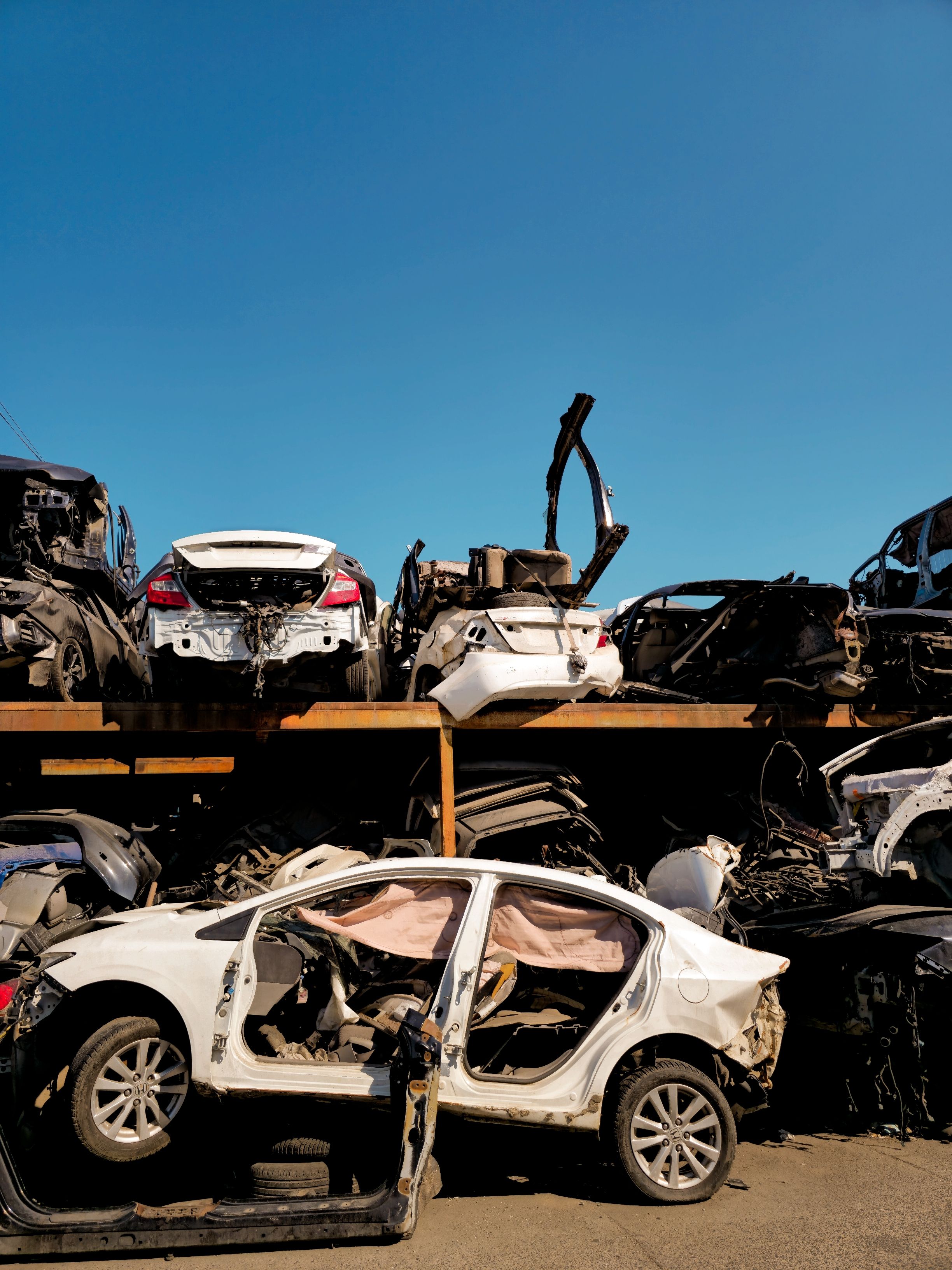
The Motor Industry Staff Association has warned South Africa risks losing access to its largest automotive export market unless government urgently enacts an end-of-life vehicle regulatory framework.

Approximately three out of every four vehicles exported from South Africa are destined for Europe. According to Naamsa's 2026 Automotive Trade Manual, the total export value of vehicles and automotive components reached R291-billion in 2025, with R182,8 billion, or 62,8%, going to the European Union and the United Kingdom.

The EU's Regulation 2026/1738 on circularity requirements for vehicle design and management of end-of-life vehicles entered into force on August 13 and introduces requirements covering circular vehicle design, recyclability, digital documentation and recycled material content.

New vehicles will have to contain at least 15% recycled plastic from September 2032, increasing to 25% from September 2036.


MISA argues a domestic ELV framework would help the local automotive industry recover recycled materials and align with the EU's requirements. The union maintains that establishing a formal framework would also create an industrial opportunity to protect existing employment and create new jobs.

South Africa's automotive sector contributes 5,2% to gross domestic product and supports around 500 000 formal jobs across the wider automotive value chain.

The Department of Trade, Industry and Competition has established a task team to evaluate the terms of reference for an end-of-life vehicle strategy, though timelines for implementation remain unclear.

BYD, which has a growing footprint in South Africa appears to looking for investment opportunities in Tunisia, including the possible creation of companies and development of activities beyond the manufacturer's current commercial presence.

BYD is distributed in Tunisia by Hélios Cars. The manufacturer recorded 857 cumulative registrations between January and July 2026 across plug-in hybrid and fully electric segments, leading the former with 564 units and placing second in the latter with 293 units.

The Tunisian side highlighted the country's position as a logistics crossroads between Europe, Africa and the Arab world, its automotive sector already integrated into international value chains, and an experienced workforce. Discussions covered automobile production, electrical infrastructure for electric and hybrid vehicles, and possible technology transfers in energy.

Chinese companies have announced approximately US$6-billion in investments in Morocco since the pandemic, according to the Financial Times. Projects span from Tangier to Kenitra, covering battery materials, tires and vehicle components.

Battery manufacturer Gotion High-Tech is building a US$1,3-billion factory in Kenitra. Guizhou Tire is establishing a passenger vehicle tire facility in Tangier Tech City with a planned investment of approximately US$298,7-million.

Wake up South Africa!

https://bit.ly/3TrLJRu

Friday, 4 September 2026

Ford SA Marks Centenary with Pledge to Drive Industrialisation Forward

Ford SA Marks Centenary with Pledge to Drive Industrialisation Forward

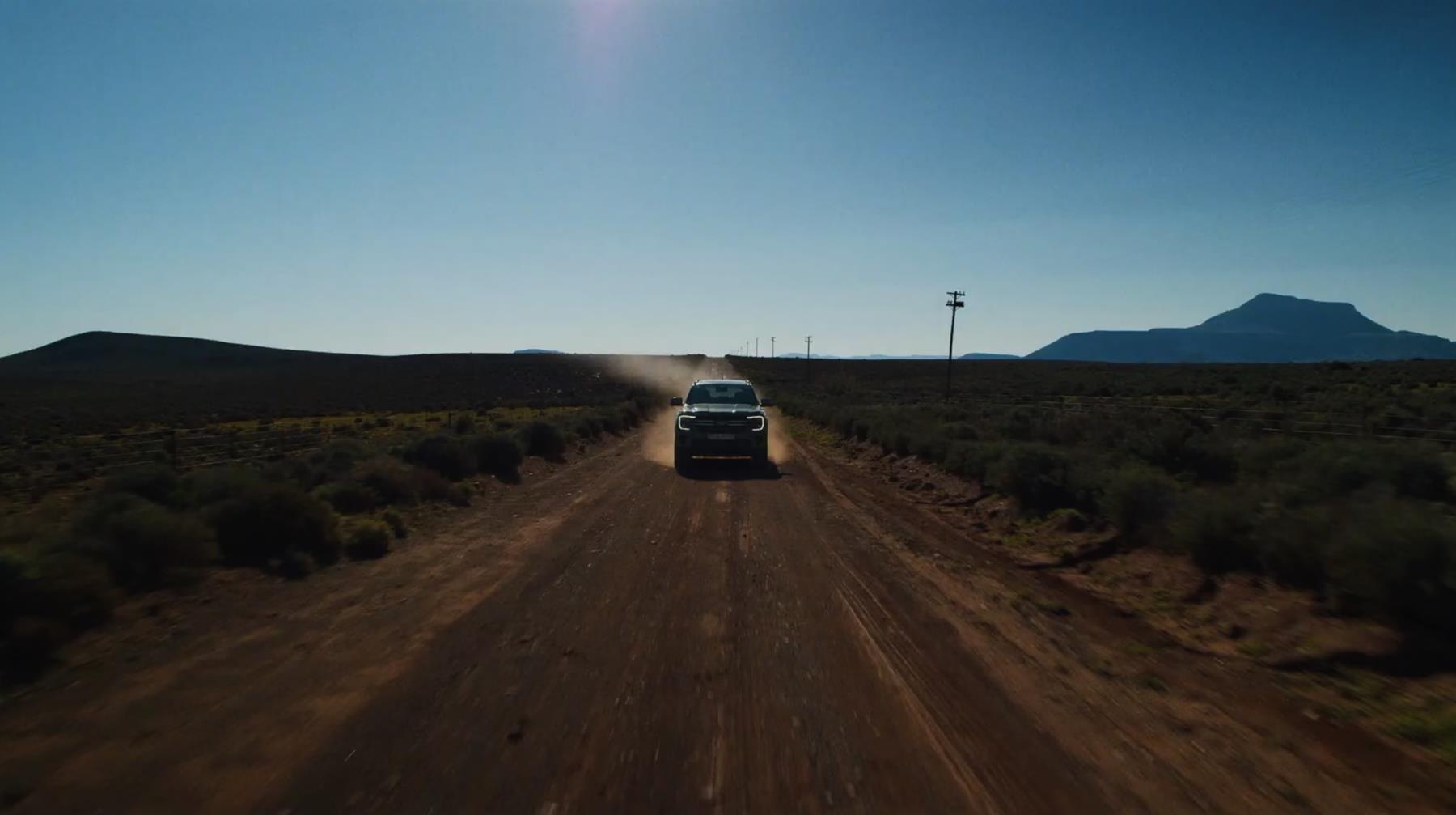
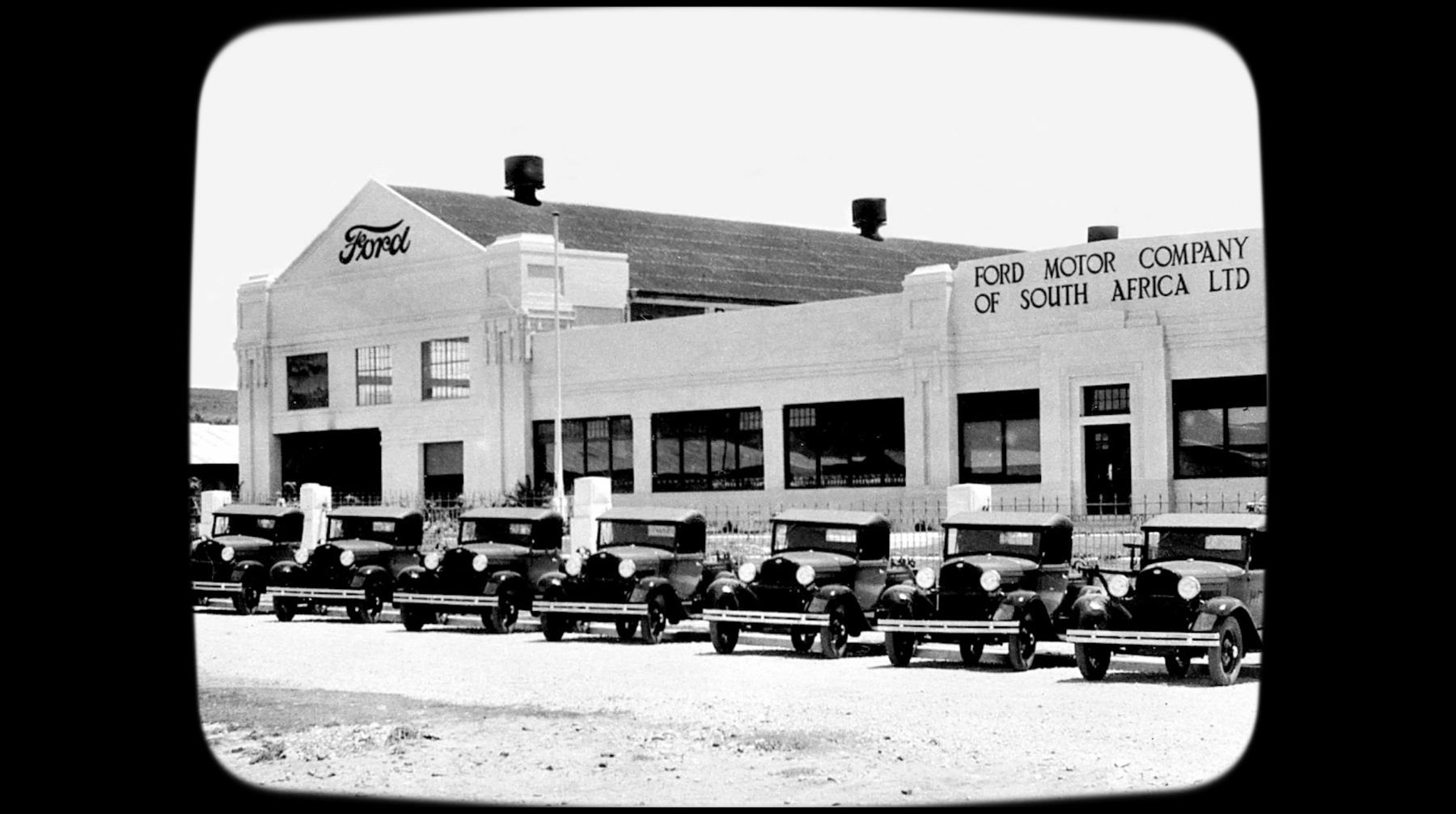
Ford Motor Company of Southern Africa has marked its 100th year in the country with the release of a corporate manifesto that reaffirms its commitment to local manufacturing, skills development, and policy reform. The document, unveiled by Africa Operations President Neale Hill, signals a shift from commemorating the past to shaping the next phase of the company’s role in the domestic economy.

Hill described the manifesto as a deliberate statement of intent, rather than a commemorative exercise.

“When you reach a milestone, the tendency is to look back. But that is not what the economy or the automotive sector needs right now,” he said. “We are facing significant changes, and our focus must be on clarity about the future.”

The company has called on government, industry bodies, and other stakeholders to collaborate on creating conditions that allow local manufacturers to compete effectively against imported vehicles. Hill noted that while many companies position themselves as invested corporate citizens, few have a track record spanning generations.

“This is not a marketing exercise. It is a signal that we are moving from a moment of celebration to a sustained focus on national momentum,” he said.


Policy Concerns and Competitive Balance

Beyond its symbolic value, the manifesto carries a clear policy message. Ford has raised concerns about the structural advantages enjoyed by importers who do not carry the same capital, employment, or skills development obligations as local producers. Hill stressed that the company has long functioned as more than a manufacturer, describing Ford as a builder of industry capability, community infrastructure, and national skills.

“We will continue to invest, build, and employ. But we also need policy and regulatory conditions that allow us to compete fairly,” he added. The company is advocating for the continued refinement of programmes such as the second phase of the Automotive Production and Development Programme (APDP2) to ensure that investors are not placed at a disadvantage relative to those who do not share the same level of commitment to South Africa.

Hill emphasised that the push for fairness is not about protectionism. “It is about protecting the substantial investments already made in this country, and those still to come, from being undermined by uneven operating realities,” he said.

A Call for Collective Action


Ford has extended an invitation to policymakers, industry partners, and fellow manufacturers to support a regulatory framework that encourages local industrialisation, safeguards existing investment, and fosters continued growth. The company believes that a balanced playing field benefits not only manufacturers but also the hundreds of thousands of South Africans whose livelihoods depend on a stable automotive sector.

The manifesto will be distributed across brand, dealer, and internal communications channels. It forms part of Ford’s broader strategy to reinforce its long-term commitment to local production, export growth, and community investment. According to Hill, the document represents the company’s clearest public pledge to build on its century-long heritage while advocating for an industry that remains competitive, sustainable, and rooted in South African capability.

https://bit.ly/4iMnV4Y

Thursday, 3 September 2026

Mercedes-Benz Delivers Low Entry Buses for Putco

Mercedes-Benz Delivers Low Entry Buses for Putco

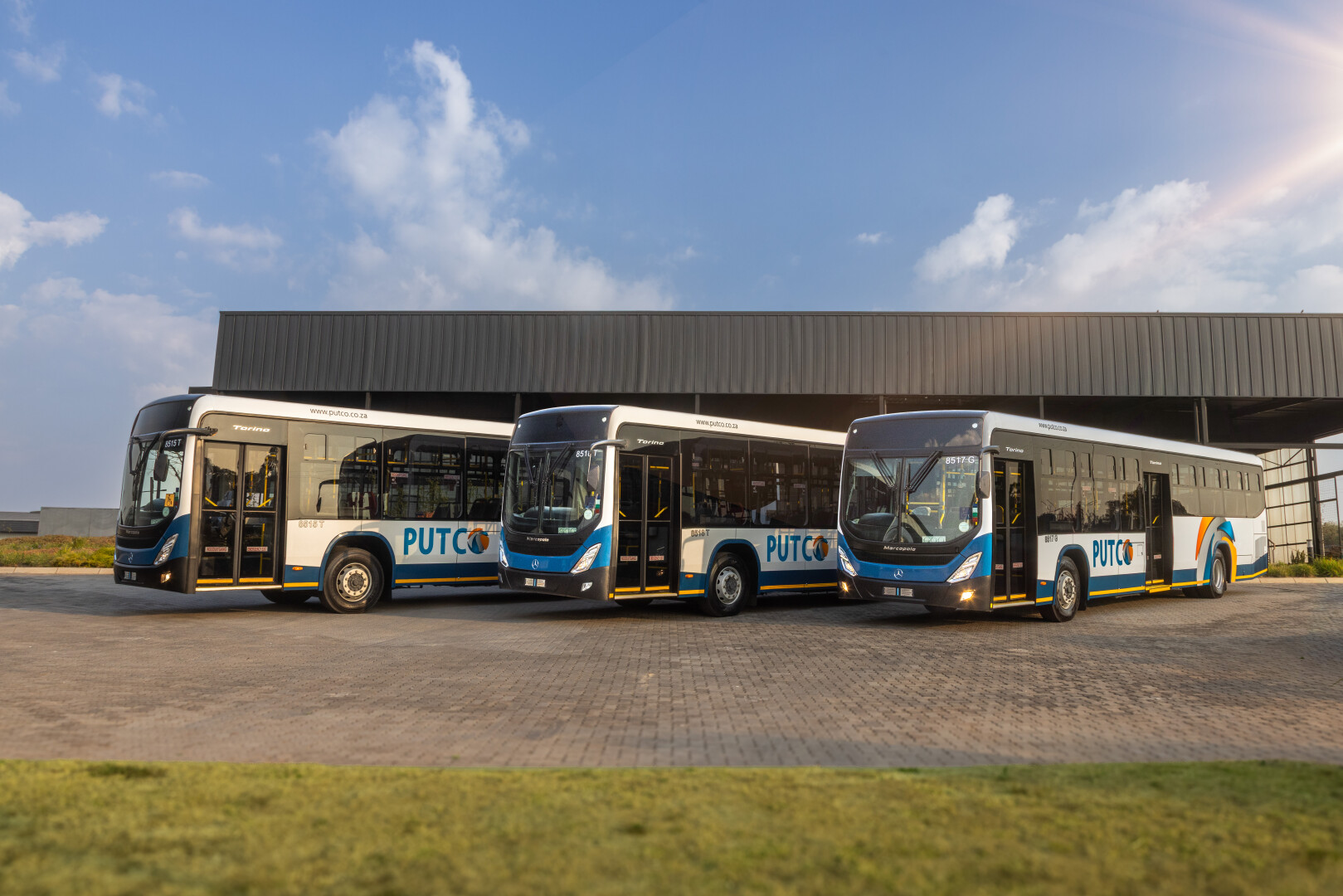
In a significant step towards inclusive public transport, Putco has taken delivery of six Mercedes-Benz Low Entry buses designed specifically with universal accessibility as a core principle from the outset.

The vehicles, built on the Mercedes-Benz OH 1826 LE Euro 5 Low Entry Bus Chassis and fitted with the Marcopolo Tourino G7 Low Entry Body, represent the first universally accessible buses to join the Putco fleet. Their design makes boarding and alighting considerably easier for elderly passengers, people living with disabilities, parents travelling with young children, and commuters with limited mobility.

The new buses come equipped with fitted ramps and dedicated space for wheelchairs, along with priority seating for passengers who may require it. The buses can also lower themselves closer to pavement level to further improve accessibility. Importantly, Putco engaged with organisations including the South African Disability Alliance and the National Council for Persons with Disabilities throughout the design process to ensure the vehicles responded to the real needs of passengers living with various disabilities.

"This handover is about more than delivering buses," said Deon de Vries, General Manager for Mercedes-Benz Buses in Southern Africa. "It reaffirms Mercedes-Benz Buses and Putco's shared commitment to delivering safe, dependable and customer-focused transport solutions that support South Africa's public transport network." 

Deon de Vries and Mandy Latimore

Franco Pisapia, Chief Executive Officer of Putco, described the occasion as a significant day for the company. "These low-entry buses are the result of a true partnership between an operator, a chassis manufacturer and a body manufacturer. What started as an idea evolved into a design, then a prototype, and today that prototype has become the foundation for a new generation of more accessible buses for Putco," he said.

The project is part of a broader trend in South Africa towards more accessible public transport. In the Western Cape, GO GEORGE has also made significant strides, with every bus in its fleet – whether mini, midi or standard – fitted with ramps or hydraulic hoists to ensure dignified boarding for passengers with mobility impairments. The service reports that passengers with disabilities make up 0,85% of total ridership, amounting to more than 4 000 trips monthly. Western Cape Mobility Minister Isaac Sileku has described accessibility as "not an add-on; it is a fundamental right”.

Putco already runs two buses accommodating people with disabilities in the Soshanguve and Mpumalanga regions, with the Mpumalanga bus transporting disabled learners to schools and the Soshanguve bus providing daily transport to the Tshwane CBD for work purposes.

Disability inclusion specialist Mandy Latimore, who took part in consultations, said the introduction of the buses marked a major step towards greater accessibility in public transport, while noting that truly accessible mobility also depends on infrastructure at bus stops, interchanges and destinations.

"For Putco, accessibility is not just about buses," Pisapia added. "It is about connecting people to opportunities and ensuring that no one is left behind”.

The six buses are expected to enter service on Putco routes shortly. The company, which transports more than 230 000 commuters daily across Gauteng, Mpumalanga and Limpopo, has not yet indicated which routes will be served by the new vehicles.

https://bit.ly/3UQ5tys

Wednesday, 2 September 2026

Isuzu Motors Achieves 38% Emission Reductions

Isuzu Motors Achieves 38% Emission Reductions

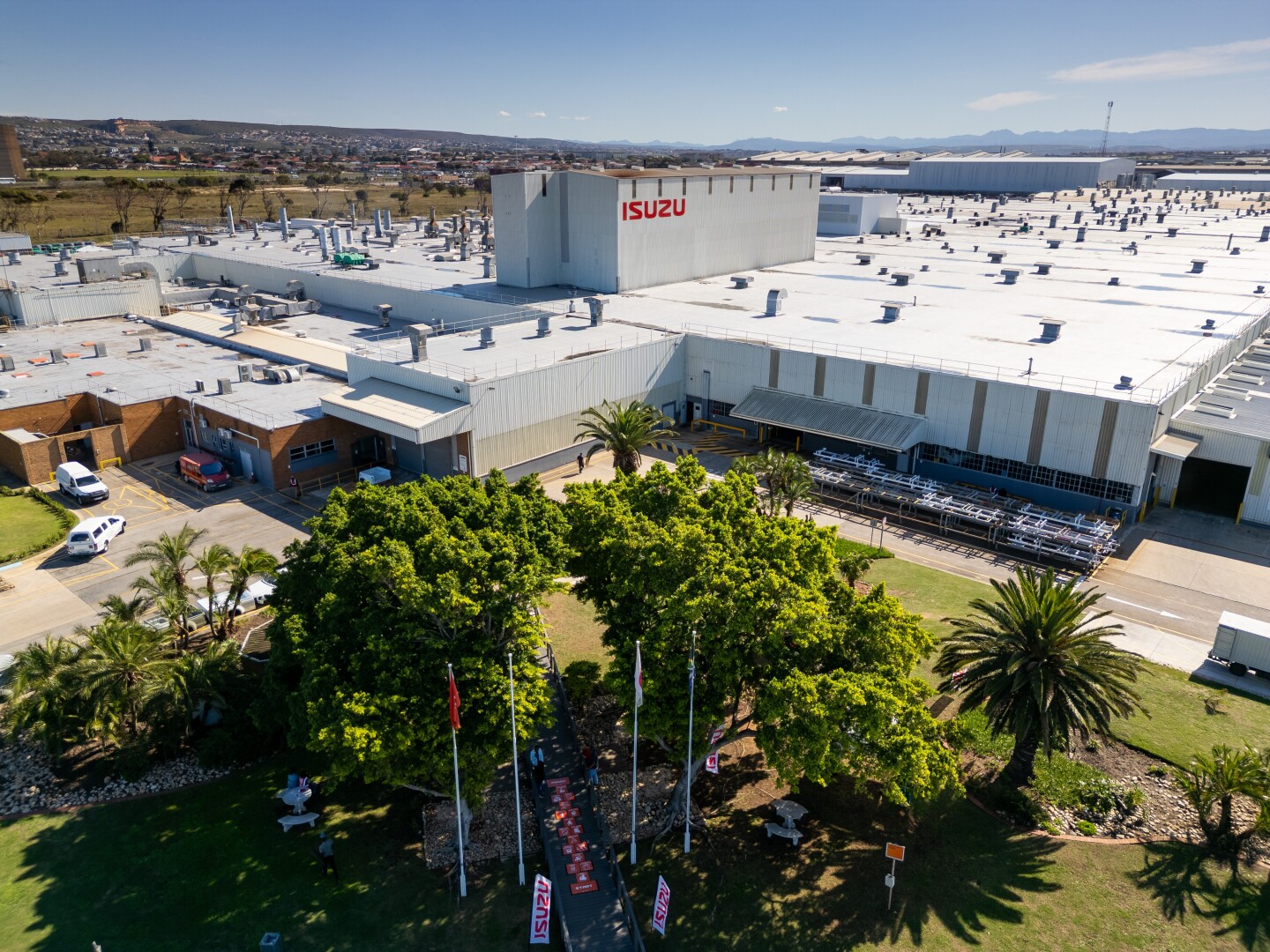
Isuzu Motors South Africa (IMSAf) has published its 2026 Sustainability Report, detailing what the company describes as measurable gains across environmental performance, skills development and local supply chain strengthening.

The report tracks the company's movement against the Isuzu Environmental Vision 2050 and aims to show how sustainability considerations have been worked into operations rather than treated as a separate function.

On the environmental front, IMSAf recorded a 38% reduction in carbon emissions compared with its 2013 baseline, even as production volumes increased over the same period. Water efficiency improved by 8,05%, and the company maintained its Zero Waste to Landfill status for the ninth year running, with 95 % of operational waste being diverted through recycling and other resource management measures.

In terms of cleaner transport options, IMSAf continues to offer Compressed Natural Gas trucks and dual-fuel CNG/Diesel technology to the local market. A dedicated Clean Technology and Engineering Trial Unit has been set up to assess and develop next-generation lower-emission mobility solutions, with the aim of supporting South Africa's broader move toward reduced carbon emissions in the transport sector.

Since 2019, the company has put R51,49-million into youth development programmes, reaching 554 young people through its Youth Employment Service and Graduate-in-Training initiatives. Of those, 132 have been taken on in permanent roles, with the graduate programme achieving a permanent employment absorption rate of 69,2 %.


On the supply chain side, IMSAf invested R510-million in supplier development and tooling during the reporting period. This included the development of 729 vendor tools and the localisation of 250 components for the new Isuzu D-MAX. Logistics optimisation work resulted in a reduction of 500 tonnes of CO₂ from transport-related emissions, while seven emerging suppliers were brought into the company's incubation programme as part of its shared-value approach to manufacturing.

Billy Tom, President of Isuzu Motors South Africa, said the report shows how the business is trying to deliver value beyond vehicle production. He noted that sustainability is not treated as a separate initiative but as a core part of how the company operates, and that the success of the business is tied to the success of its employees, communities and the environment. He also stressed that progress depends on collaboration across the value chain, whether with suppliers, young people in training programmes or community partners.

The company also invested more than R1,3-million in a sustainability data management system to improve reporting accuracy and environmental performance tracking. Better data oversight helped the business avoid more than R500 000 in utility costs through earlier identification of inefficiencies and quicker corrective action.

The release of the 2026 Sustainability Report forms part of IMSAf's ongoing commitment to the Isuzu Environmental Vision 2050 and to transparent reporting practices. The full report is available on the company's website.

https://bit.ly/46AeZbx

Tuesday, 1 September 2026

VWGA Celebrates 75 Years with New School in KwaNobuhle

VWGA Celebrates 75 Years with New School in KwaNobuhle

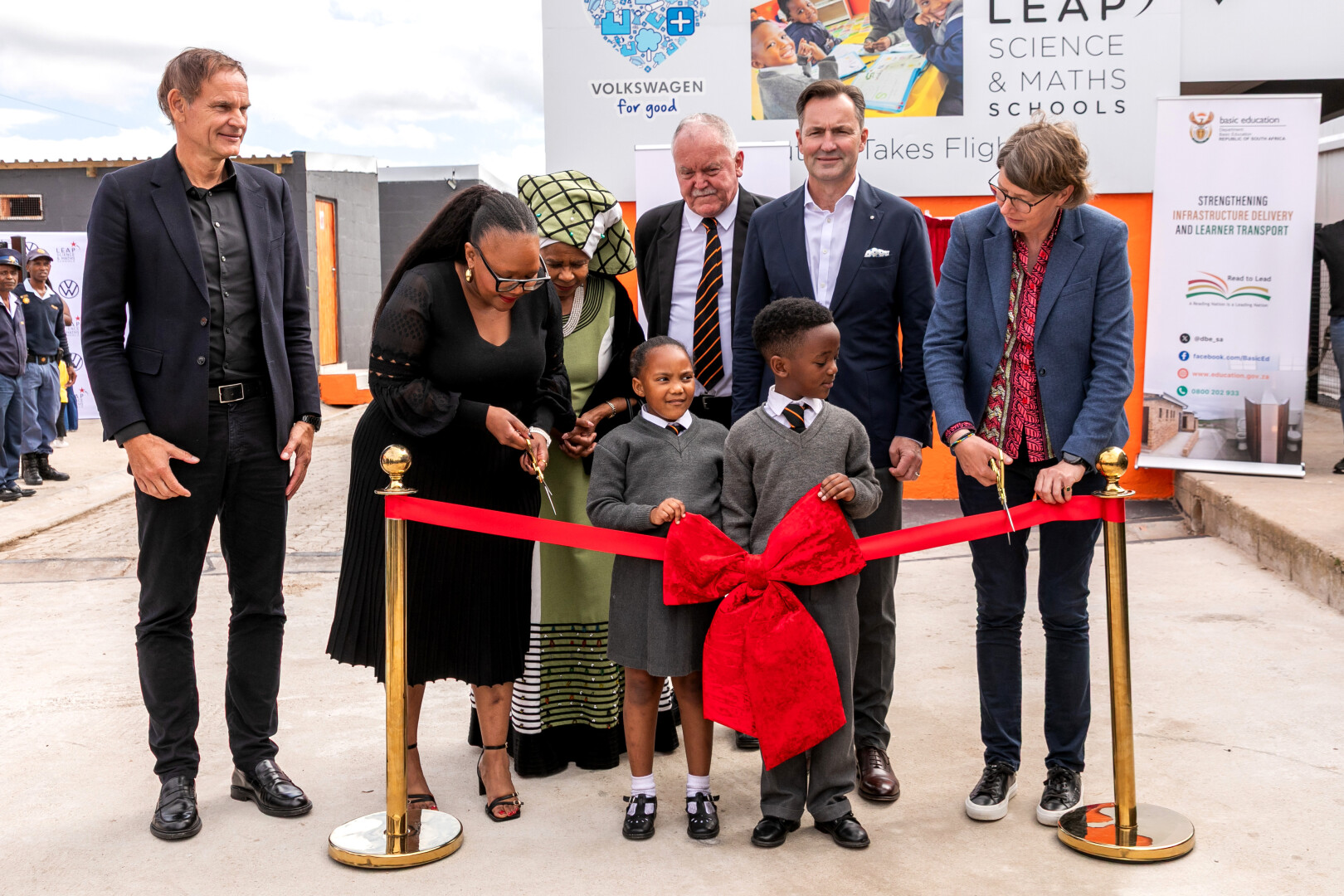
Volkswagen Group Africa (VWGA) has marked its 75th anniversary in South Africa by opening a new science and mathematics school in KwaNobuhle, in partnership with the LEAP Institute.

The LEAP 9 Science and Mathematics School was officially opened on August 31, 2026 and is intended to strengthen education in these subjects for learners from KwaNobuhle and the surrounding areas.

Present at the opening ceremony were Minister of Basic Education Siviwe Gwarube, Nelson Mandela Bay Mayor Babalwa Lobishe, Volkswagen Group CEO Oliver Blume, and Global Volkswagen brand CEO Thomas Schaefer.

The school building had been abandoned and in a state of disrepair for a number of years before its refurbishment. It now accommodates learners in Grades 1, 2 and 8, with additional grades to be introduced over time. The school is expected to reach full operational capacity by 2034, supported by a multi-million-rand investment in infrastructure and operations.

The project is part of Volkswagen’s broader cradle-to-career approach to education. The company is already involved in several educational initiatives in and around Kariega, including the Ikhwezi Lomso Early Childhood Development Centre, the Kutlwanong Maths Centre and the loveLife Youth Centre.


Nonkqubela Maliza, VWGA’s Director of Corporate and Government Affairs, said the school is focused on providing quality education in science and mathematics, which the company regards as key areas for learning. “These subjects are the foundation for growth, for innovation and for empowerment.”

The LEAP Institute is a non-governmental organisation with over two decades of experience in science and mathematics education. It works to equip young people with the skills needed to pursue further studies and enter meaningful careers.

Maliza added that LEAP’s track record in strengthening maths and science education made it a suitable partner for establishing a primary and high school in KwaNobuhle, an area where many Volkswagen employees live.

VWGA Chairperson and Managing Director Martina Biene also attended the opening. She spoke about the importance of the company’s relationship with the communities near its Kariega plant. “One of our defining traits as a company is we are a responsible corporate citizen. A responsible corporate citizen is a company that is as much a part of the community as your neighbours.”

Biene described the partnership with LEAP as the beginning of a new phase for both VWGA and the KwaNobuhle community. She noted that Volkswagen has maintained a long-standing presence in the region and that the new school represents another step in that engagement. “As we start down a new road with LEAP and the community of KwaNobuhle, I am excited to see the impact that lies ahead, and the successful futures this partnership will shape for the youth of KwaNobuhle,” she added.

https://bit.ly/3T5VVPm