
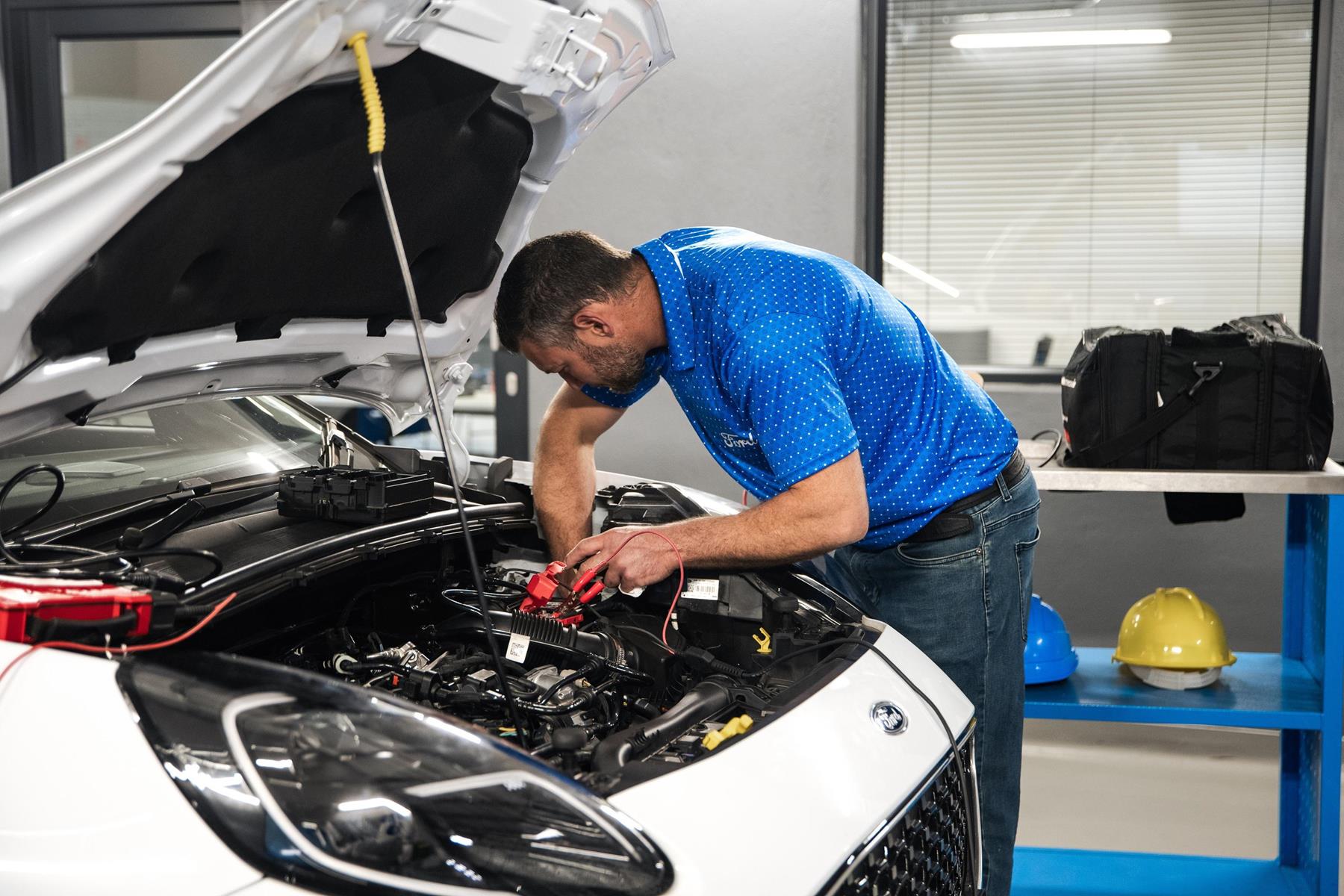
Ford Motor Company of Southern Africa has launched an apprenticeship programme aimed at addressing the shortage of technical skills in the automotive industry while creating career pathways for young South Africans.
The Autotechnician Apprenticeship Scholarship, piloted in Pretoria in 2026 with eight students from low-income households, combines formal technical education with paid, practical training at Ford dealerships. Over three years, apprentices progress from shadowing and theory to on-the-job repair work and advanced diagnostics, culminating in a formal qualification.
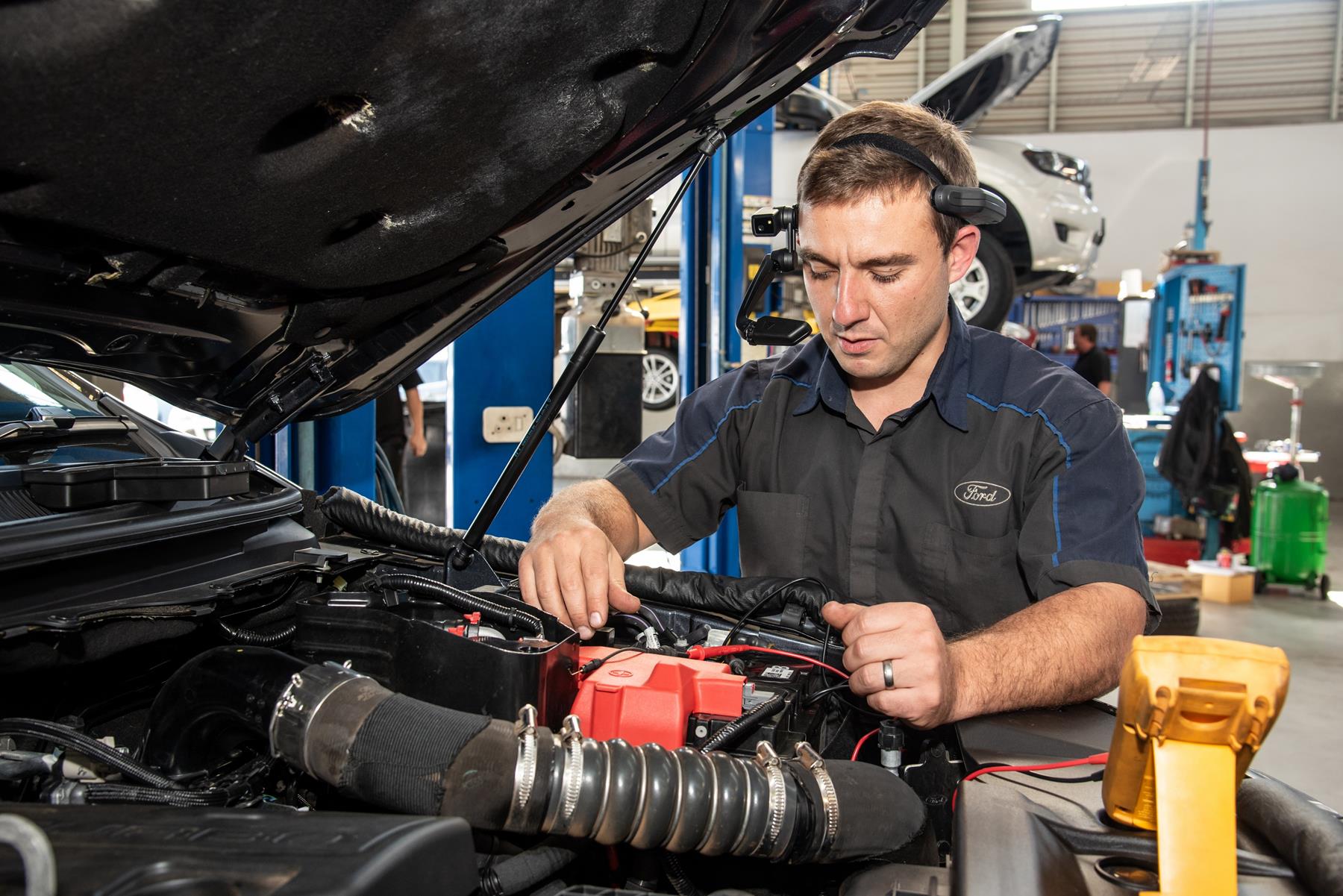
The programme will officially roll out in 2027, with a new intake beginning their apprenticeships as the pilot cohort enters its second year. A further intake is planned for 2028, establishing overlapping groups that will create a continuous supply of qualified technicians for Ford’s dealer network.
Kevin Heunis, Service Engineering and Operations Director at Ford Motor Company of Southern Africa, said the country faced a contradiction: high youth unemployment alongside industries struggling to find specialised technical skills.
“Not every successful career needs to begin with a university degree. Technical and vocational careers can provide meaningful, future-focused opportunities, but we need stronger pathways connecting young people’s potential with the skills industry requires,” Heunis said.
The apprentices are based at CMH Ford Hatfield, CMH Ford Gezina and CMH Ford Steyns, where they receive hands-on training and a monthly stipend. The scholarship covers theoretical course costs, tools, uniforms and transport, while apprentices also receive mentorship and career guidance.

The Gift of the Givers manages student selection and programme monitoring, with MerSETA providing curriculum and theoretical training support. Ford’s Service Engineering and Operations division facilitates collaboration between dealerships and colleges and ensures Ford technical standards are incorporated into the training.
Selection criteria look beyond academic results to identify qualities such as curiosity, problem-solving ability and practical intelligence.
“Potential does not always come through a CV,” said Heunis. “Some of the strongest technical talent can be found in young people who naturally want to understand how things work – who build things, experiment and solve practical problems.”
As vehicles become more sophisticated, technicians increasingly work with advanced diagnostics, electronics, software and connectivity. Qualified technicians can progress into specialist and Master Technician roles, management, training and technical support, with some career paths offering international opportunities.
The apprenticeship forms part of Ford’s broader “Cradle to Vocation” approach to education and skills development, which spans early childhood development, literacy, mathematics and science, technical and vocational education, and entrepreneurship at university level.
Neale Hill, President of Operations at Ford Motor Company, Africa, said skills development extended beyond filling vacancies.

“When a young person gains a qualification, workplace experience and an opportunity to build a meaningful career, the impact reaches beyond that individual. It can improve the prospects of a family, strengthen a community and contribute to the economy. That is why we see skills development as nation-building,” Hill said.
“Ford has been part of South Africa for more than a century and investing in people and communities remains fundamental to our role in this country. This programme is one practical example of how we can use our expertise, dealer network and partnerships to create opportunities for the next generation.”
Heunis added that the initiative was not a once-off exercise.
“Ultimately, this is about developing the people who will look after our customers’ vehicles in the years ahead. As vehicle technology changes, the capability within our workshops has to evolve with it. The next generation of diagnosticians, engineers and innovators may already be sitting in South Africa’s technical classrooms. Our responsibility is to recognise that potential and help create the pathways for it to flourish,” he said.
https://bit.ly/4cDPYzZ

No comments:
Post a Comment