The future of South Africa’s automotive industry hangs in the balance as parliamentary leaders and global manufacturing executives call for urgent government intervention to protect the sector from aggressive international competition, while elsewhere on the continent Egypt’s market shows signs of a robust recovery.
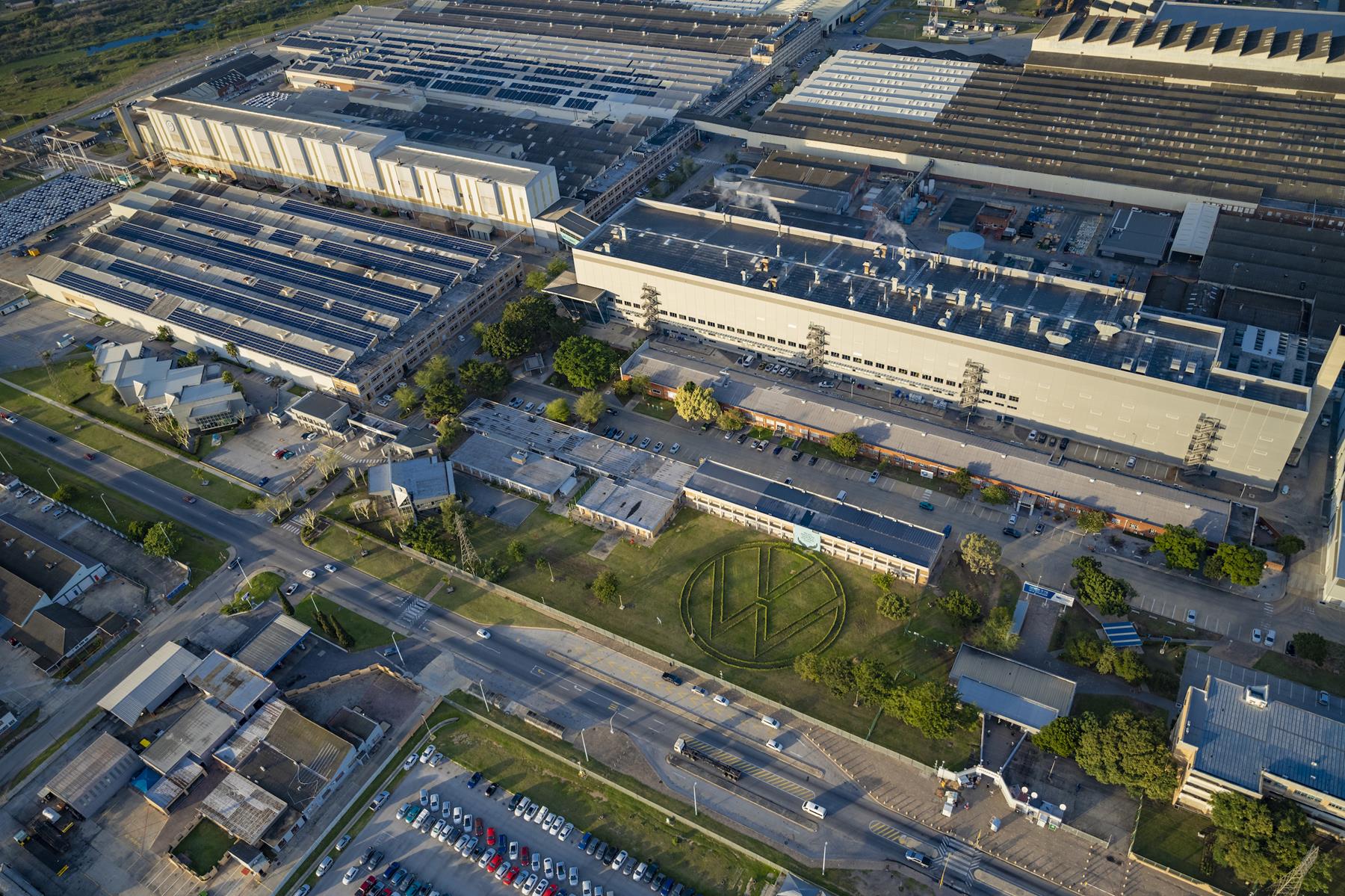
During an oversight visit to the Eastern Cape recently, the Portfolio Committee on Trade, Industry and Competition met with industry giants including Volkswagen Group Africa and Isuzu to assess mounting challenges facing the Coega Special Economic Zone and the broader automotive precinct.
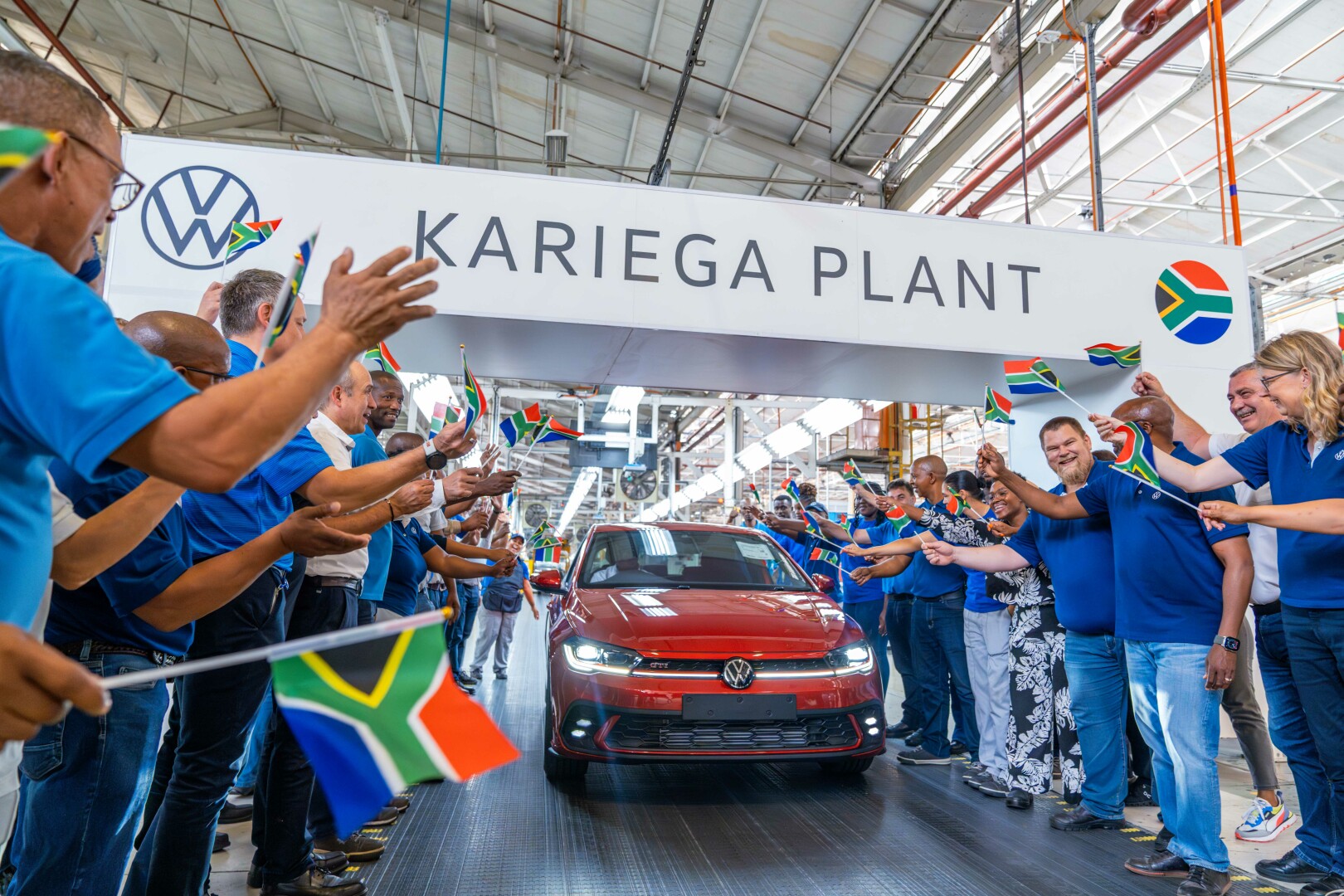
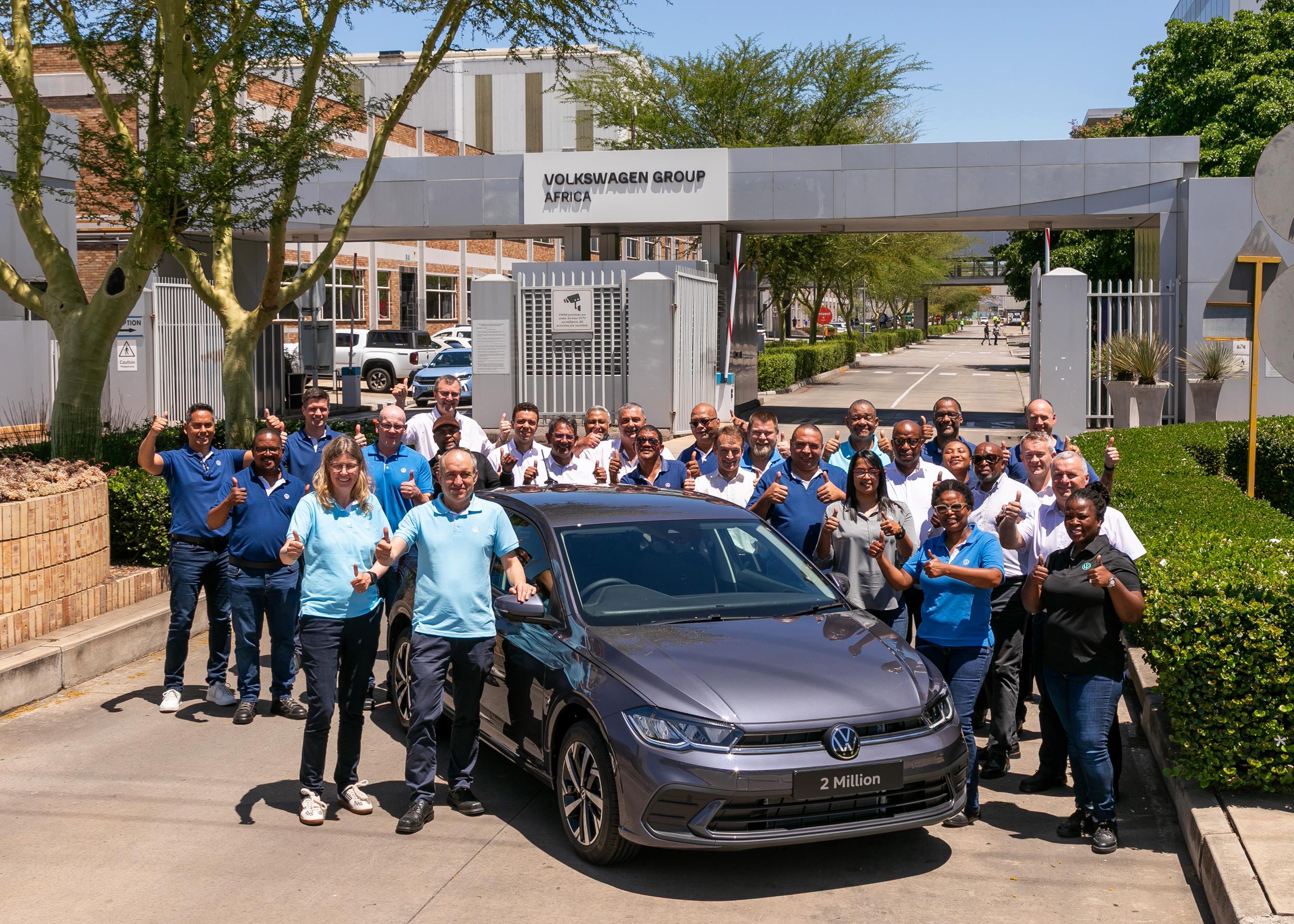
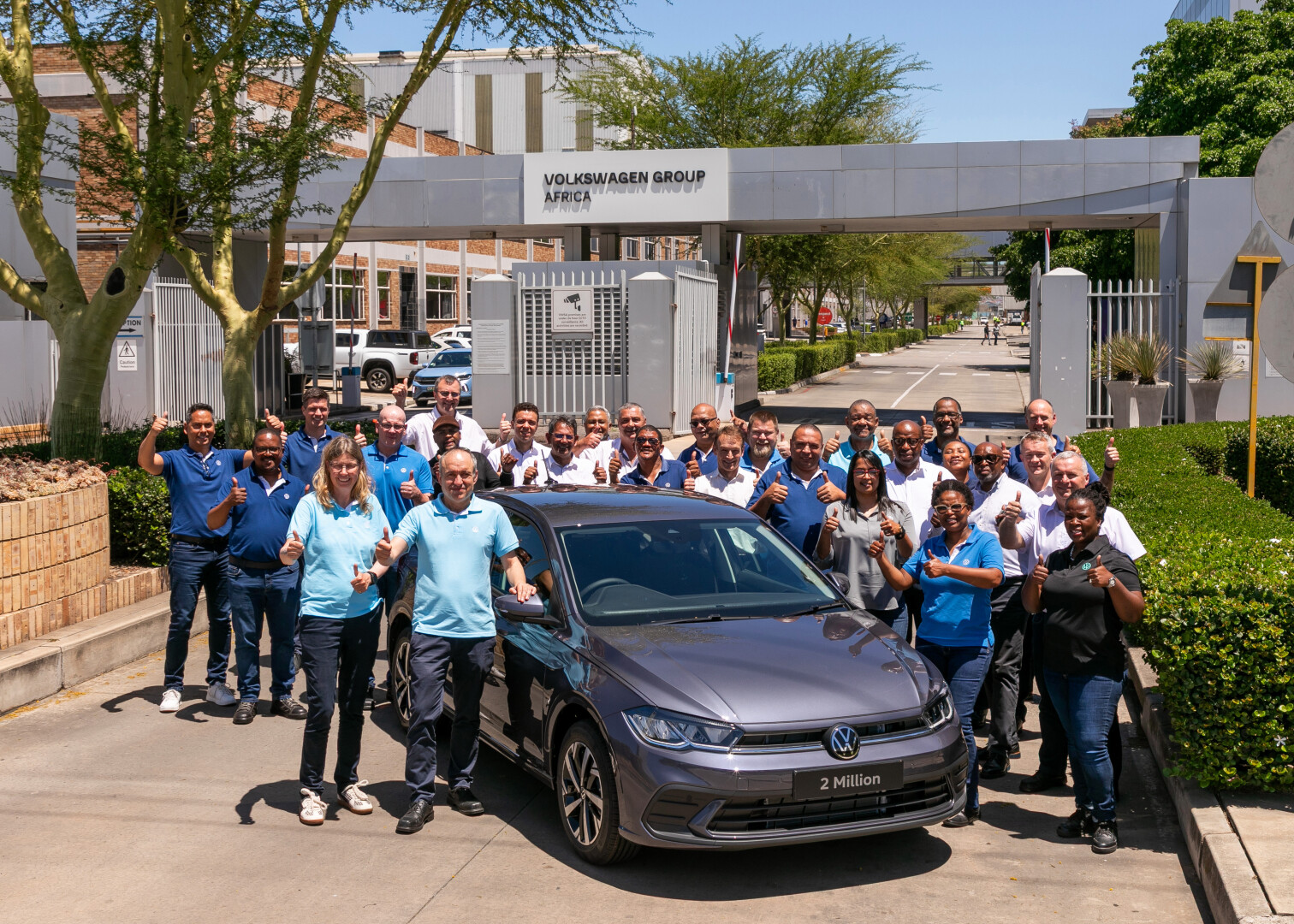
Volkswagen Group Africa chairperson and managing director Martina Biene revealed the high stakes facing the Kariega-based manufacturer, warning that decisions made now will determine whether new models are produced locally in the next decade.
“I’m now pitching for an investment in 2030, and I need that approval now,” said Biene. “If Volkswagen does not consider spending money in South Africa, then I won’t be able to launch a new car in 2030.”
The stakes are particularly high as the group weighs whether to produce its next generation of new energy vehicles in South Africa or shift that capacity to more cost-effective hubs in India.
“It’s not about protectionism,” she said. “It’s levelling the playing field in terms of cost of doing business, which is way lower in India and also lower in China for very different reasons.”
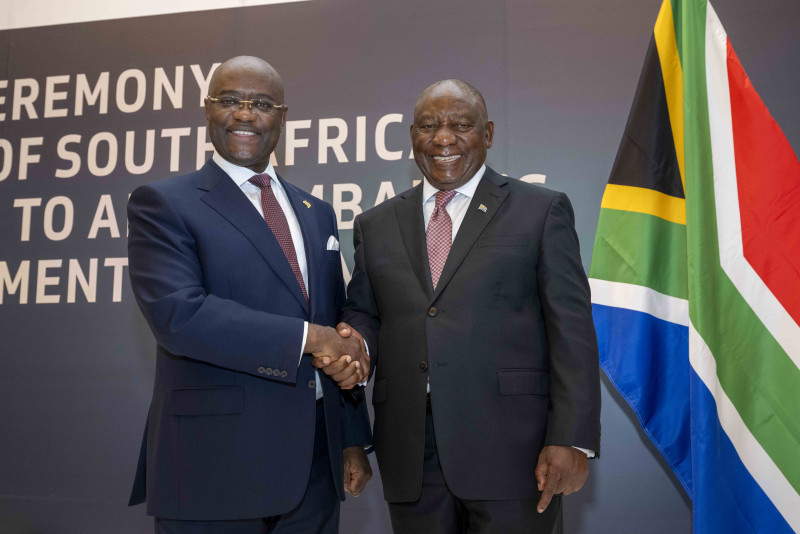
Portfolio Committee chairperson Mzwandile Masina echoed these concerns, noting that the committee identified quite a number of critical challenges during visits to the Coega SEZ and Volkswagen facilities. Masina pointed to the country’s competitive disadvantages, particularly regarding labour costs.
“We’re informed that in terms of labour cost, India, as an example, is 35% cheaper to produce a car because of their labour laws,” he said.
While reaffirming South Africa’s position as an open economy, Masina said the committee is finalising a report with far-reaching recommendations to protect the sector. “We had to tighten our labour laws due to our history. Therefore, it will be important to strike the balance between our labour laws and ensuring we can have affordable production here in South Africa.”
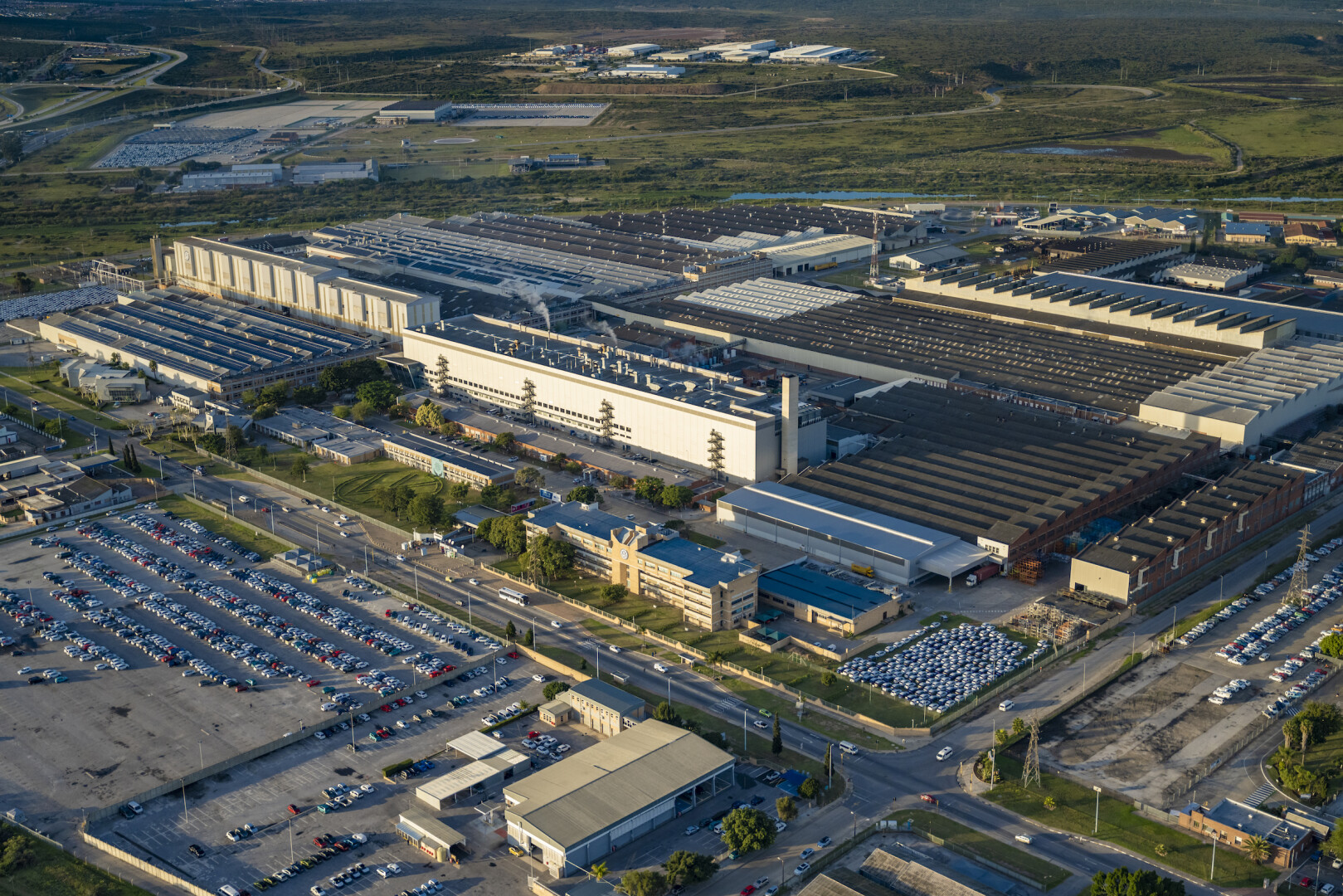
Beyond policy, both government and industry flagged serious concerns about infrastructure and service delivery. Biene provided a stark look at the logistical reality, explaining the company has been forced to abandon rail for road transport.
“Currently, for the domestic market business, we’ll truck all of our cars,” Biene said. “We’ll have in the domestic market probably 50 000 to 60 000 sales. The majority of that is sold in Gauteng province, so it all gets trucked from here to Gauteng because the South Corridor is not operational because of cable theft or infrastructure.”
She noted that even if the rail were functional, the financial burden remains a barrier. “If it would be operational now, we would have to pay more, and it’s the infrastructure cost of doing business which I tried to raise.”
Masina acknowledged the strain on municipalities, particularly ageing infrastructure, and stressed the need for stronger collaboration between local government and major investors.
As Volkswagen prepares for the 2027 launch of its new A0-entry SUV, known as Project Tengo, the success of current operations remains a prerequisite for the 2030 investment approval.
While South Africa confronts these challenges, Egypt’s automotive market has shown strong momentum. According to data published by the Automotive Market Information Council, vehicle sales reached 14 100 units in January 2026, compared to 10 150 units in the same period in 2025, representing a 38,7% year-on-year increase.
The performance was driven largely by passenger cars, which increased by 43,3% to around 10 900 units. The bus segment also showed growth, with 901 units sold compared to 698 a year earlier, while truck sales increased by 25 03% to 2 278 units, a key indicator of recovery in productive activity and domestic trade.
The January figures follow strong performances in recent months. In November 2025, vehicle sales surged by 54,7% year-on-year to around 16 800 units.
Egypt’s Industry Minister Khaled Hashem recently met with a delegation from Mercedes-Benz Egypt headed by chief executive Stefanie Volz to discuss opportunities to localise automotive manufacturing and expand the company’s operations. The discussions explored investment opportunities in line with the government’s strategy to deepen local manufacturing and facilitate the transfer of advanced technologies.
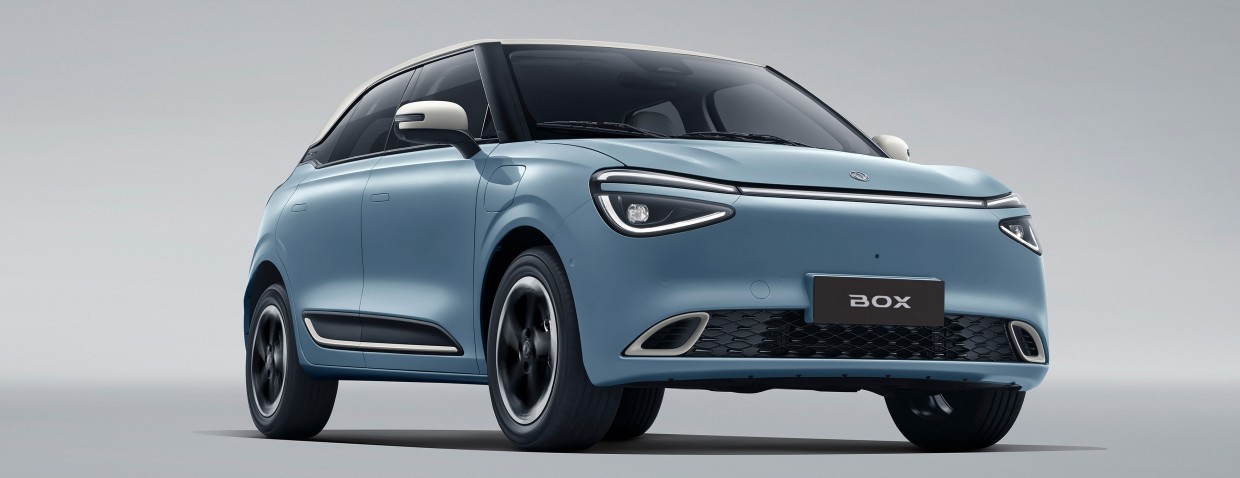 Dongfeng Box from SN Automotive in Egypt
Hashem noted that the Automotive Industry Development Programme represents a key pillar in attracting major international brands, offering incentives designed to localise the industry. The programme links investment incentives to increasing the share of local content and expanding domestic supply chains.
Volz expressed the company’s aspiration to further strengthen its strategic partnership with the Egyptian government, noting that Mercedes-Benz is marking 26 years of operations in Egypt.
Meanwhile, data compiled by the International Organization of Motor Vehicle Manufacturers shows South Africa consistently ranks among the countries with the highest car ownership in Africa, supported by a developed automotive industry, a relatively large middle class, and extensive road networks in major urban centres. Access to vehicle financing and a thriving used car market have also made ownership more attainable.
South Africa consistently ranks among the highest, supported by a developed automotive industry, a relatively large middle class, and extensive road networks in major urban centres. Access to vehicle financing and a thriving used car market have also made ownership more attainable for many households.
Libya has historically recorded high ownership levels due to low fuel prices stemming from its oil wealth, combined with long distances between cities and limited public transport options. Despite political and economic challenges in recent years, car ownership remains widespread.
Small island nations such as Mauritius and Seychelles also feature prominently, buoyed by stable economies, higher household incomes, and growing populations that increasingly rely on private vehicles for daily commuting.
Botswana and Namibia round out the list, where vast distances between communities make private transport a practical necessity. Both countries have invested heavily in road infrastructure in recent years, further supporting vehicle ownership.
Algeria and Morocco complete the picture as North Africa’s largest markets, with rising urbanisation and government policies encouraging local assembly driving demand across both countries.
In West Africa, Nigeria’s automotive aftermarket is drawing attention as a potential growth frontier. Industry estimates suggest the country’s spare parts market is worth between $5-billion and $6-billion annually, with new original equipment manufacturer components and aftermarket parts accounting for roughly 70% to 80% of that figure. Second-hand parts, commonly known as tokunbo, make up the remainder.
Mechanical engineer Okpamen Obasogie said the combination of a large replacement market, high import dependency and foreign exchange pressure has created a significant opportunity for localised spare parts manufacturing, particularly in high-turnover components such as brake pads, filters and suspension parts.
https://bit.ly/3PBh8P0