Showing posts with label lithium. Show all posts

Tuesday, 30 June 2026

Unlocking Africa's Mineral Wealth for Automotive Growth

Unlocking Africa's Mineral Wealth for Automotive Growth

The automotive industry is in the midst of its most significant transformation in a century, and Africa finds itself holding many of the keys to the future. The global shift towards electric vehicles is accelerating at a remarkable pace. In 2025, one in every four new cars sold worldwide was electric, with sales topping 20-million units for the first time.

The internal combustion engine's long reign is ending, and the raw materials that will power the next generation of vehicles—lithium, manganese, platinum group metals, and rare earths—are abundant across the African continent.
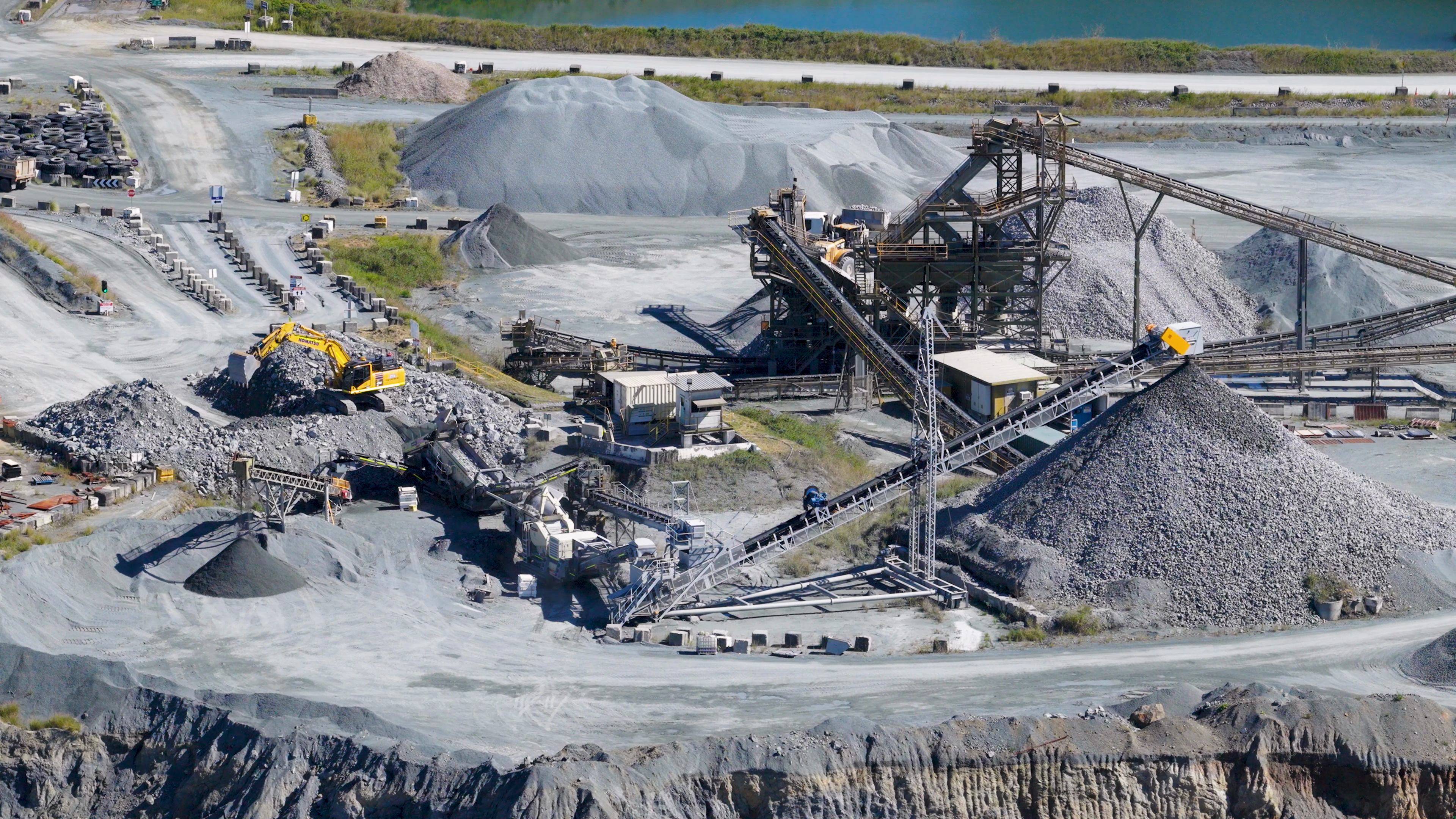

Yet a profound disconnect remains. The cars of the future are being assembled in factories across China, Europe and the Americas, while Africa largely continues to export its mineral wealth in raw form and import the finished products at a premium.

The global market is valued at over $2.6-trillion annually, and China alone produced more than 34-million vehicles in 2025, accounting for over a third of global output. Africa's share in that downstream value remains negligible.

A new chapter is unfolding, however, as major discoveries and strategic policy moves suggest the continent may finally be preparing to claim a more prominent position in the global automotive supply chain. This is not just a mining story; it is fundamentally an automotive industry story.

The global electric vehicle market has seen explosive growth. In 2025, electric car sales grew by more than 20% year-on-year, reaching 21-million units. The market is projected to grow to 4,2 terawatt-hours of battery capacity by 2030, an insatiable demand for critical minerals. This demand creates the impetus for African nations to move beyond resource extraction.
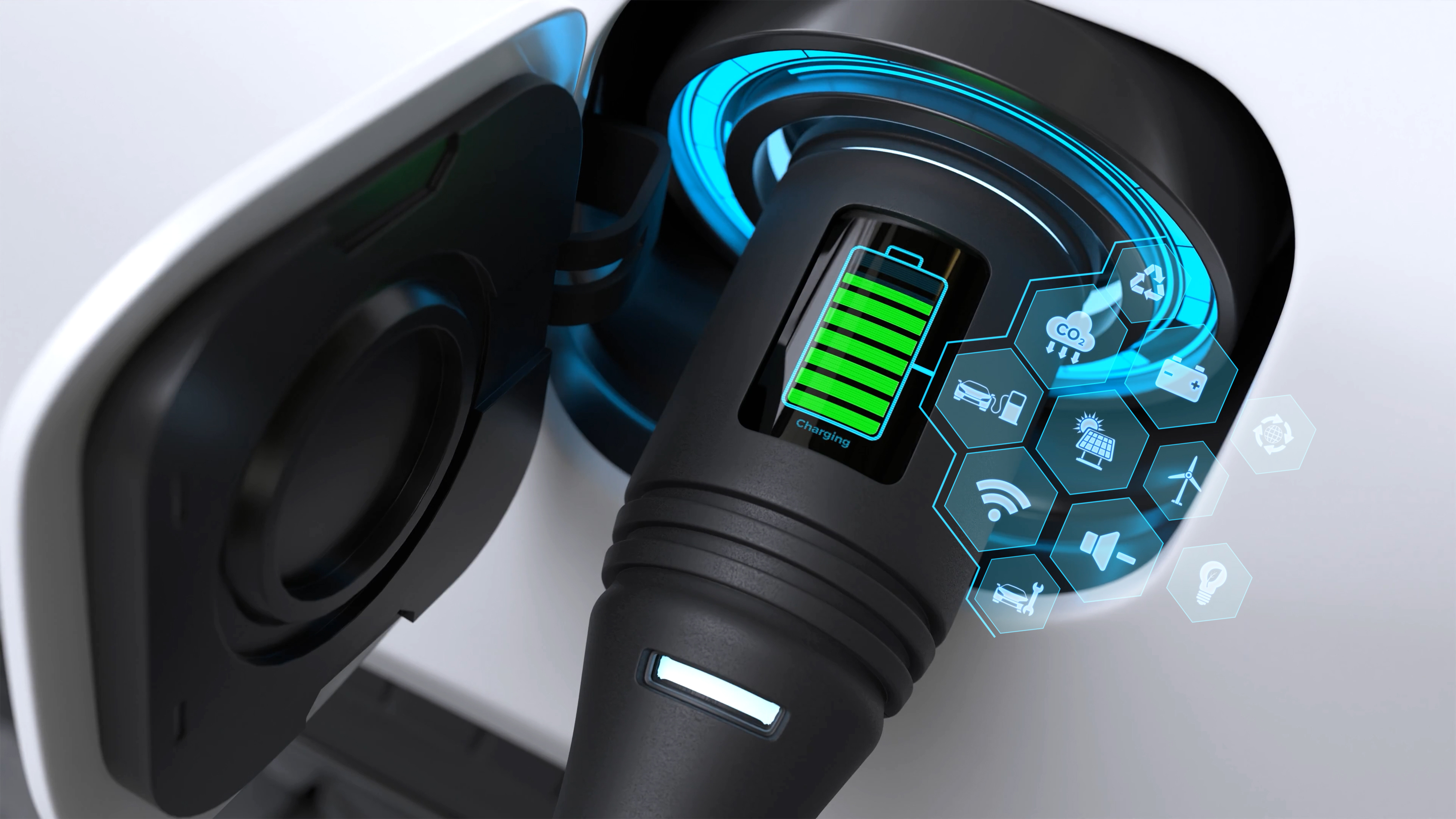

Nigeria, long known as Africa's largest oil producer, has announced what officials describe as a major new critical minerals province that could fundamentally reshape its economic trajectory. The discovery in Kaduna state contains significant deposits of lithium, platinum group metals, gold, nickel, copper and rare earth elements.

This puts Nigeria squarely into the automotive supplier conversation, as lithium and nickel are essential components for the lithium-ion batteries that are now the heart of every electric vehicle.

This discovery is critical when one considers the concentration of the global battery supply chain. Today, China dominates the processing of these materials, producing over 98% of LFP cathode material and battery cells for a chemistry now used in nearly half the global electric car market.

Europe and the United States are scrambling to diversify their sources and build out domestic manufacturing and Africa is positioning itself as an alternative supplier.

South Africa is already making concrete moves to capture more value from its mineral endowment, with direct implications for the automotive industry. The country has designated 21 minerals including manganese, platinum group metals and rare earth elements as ‘critical’, signalling an ambition to become a key supplier of materials vital for clean energy and advanced manufacturing.

Manganese Metal Company is commissioning the country’s first battery-grade manganese plant, expected to begin producing high purity manganese sulphate monohydrate soon. This is a significant step, as high-purity manganese is becoming a potential bottleneck in the battery supply chain, particularly as manufacturers shift towards lithium-iron-phosphate (LFP) chemistries.
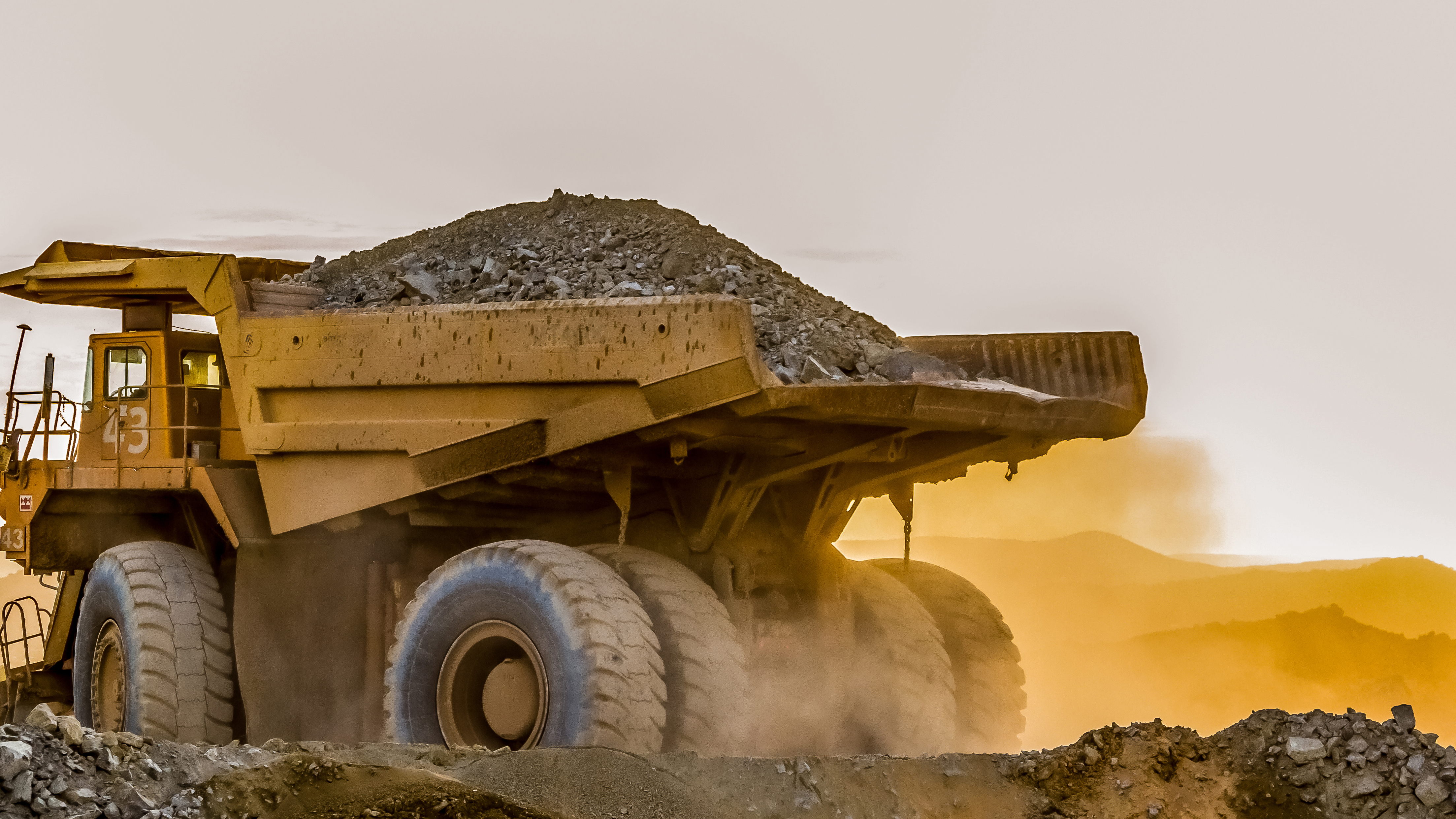

The opportunity is clear, but the obstacles are formidable. The continent struggles with a fundamental contradiction: it cannot benefit from what it cannot power. Mineral processing is an energy-intensive activity requiring reliable baseload electricity and modern grid infrastructure. Yet businesses across many African economies lose up to 15% of their sales value due to power outages, spending billions on diesel generators.

South Africa’s electricity challenges are particularly acute. Hugo Pienaar, chief economist at the Minerals Council South Africa, told the Financial Mail electricity costs are arguably the biggest reason behind the decline in local beneficiation.

He noted if incentives were adequate to offset power costs and logistics failures, the industry would not be seeing the notable decline in chrome and manganese smelting capacity. Without affordable, reliable power, the continent cannot transform its rocks into the battery components automakers desperately need.

There is also the matter of scale and competition. The global battery manufacturing industry is massive and integrated. McKinsey analysis shows 85% of future battery demand is driven by battery electric vehicles, and China is currently the world’s EV manufacturing hub, responsible for more than 70% of global production.

To compete, African nations need to attract investment not just in mining, but in the mid-stream processing of these materials into battery-grade products.

South Africa has been working to create an enabling environment. The Department of Trade, Industry and Competition is conducting a comprehensive review of the automotive policy.

This includes reviewing the customs tariff structure, developing a battery manufacturing policy, and attracting new vehicle manufacturers. The vision, as articulated by government officials, is to ensure South Africa contributes 1% to global vehicle production, with significant local and employment growth.

For global automakers, Africa's mineral wealth offers a solution to a growing problem. Europe is transitioning from being a net exporter of light vehicles to a net importer, and Western automakers face mounting pressure from cost inflation and fragile supply chains. African minerals represent a potential source of supply outside of China, which is a strategic priority for many governments and manufacturers.

South Africa’s existing automotive industry, supporting more than 115 000 direct manufacturing jobs and contributing approximately 5,3% to GDP, provides a foundation for this transition.
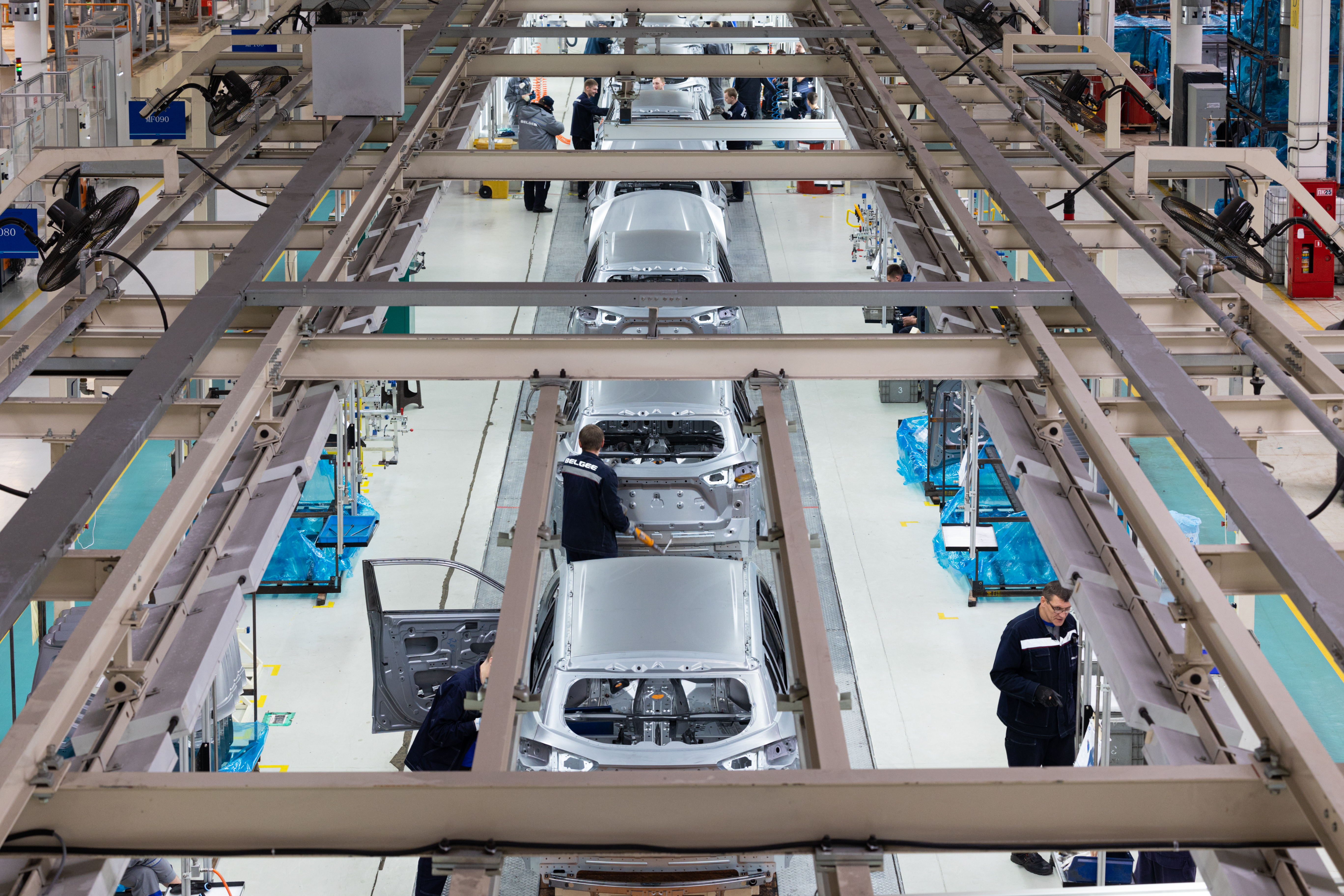

Automakers like Toyota, Ford, Volkswagen, and BMW already have plants in South Africa, and models like BMW's new X3 plug-in hybrid are now exclusively produced there. These manufacturers are watching closely to see if local battery production can follow the pattern of vehicle assembly. The aim is to create a regional automotive and battery supply chain, drawing on South Africa's manganese, Zimbabwe's lithium and the DRC's cobalt.

The key to success will be decisive action on several fronts. The global battery market is projected to reach 6,8 TWh by 2035, and to capture a share of that, Africa must secure reliable, affordable power for smelters and chemical plants. It must offer targeted incentives and regional sourcing rules to attract cathode, precursor, and cell manufacturers.

It must scale financing through public-private partnerships and export credits for capital-intensive downstream plants. And it must strengthen ESG, traceability, and formalisation of artisanal mining to reduce reputational risk and meet the stringent due diligence requirements of European buyers. The EU's new battery regulations, with their focus on recycled content and carbon footprint, will be a key benchmark for suppliers.

What is clear is that Africa’s mineral moment has arrived. The Kaduna discovery, the commissioning of the battery-grade manganese plant, and the growing policy momentum all point toward a continent determined to capture more value from its resources.

The global automotive industry is evolving, and Africa is trying to move from being a provider of raw materials to a participant in the manufacturing of the cars of the future. The question is whether the necessary investments in power, infrastructure, and regional coordination will materialise to turn this ambition into reality.

https://bit.ly/4oYDMP4

Monday, 23 September 2024

First li-ion recycling plant opens in South Africa

First li-ion recycling plant opens in South Africa

The disposal of batteries from growing volumes of electric cars has become a global problem with limited facilities in place to recycle those units – but there is now an operational facility in Germiston, Gauteng able to handle not only car batteries but lithium-ion batteries from cell phones and other modern devices.

Cwenga Lib has opened the country’s first lithium-ion battery recycling facility – a milestone not just for South Africa, but for the entire Southern Hemisphere.

The Cwenga Lib process is innovative in its scale and resources. Where mega plants in Asia are constructed to cater to the mass markets abroad using harsh chemicals, huge energy requirements and highly hazardous working conditions, the Cwenga Lib process is unique.

It is efficient at room temperature, with reagents that are food safe and can be scaled to serve smaller communities or single manufacturers who want to locally recycle their own production.

“The processing facility we launched is an example of the modular type recycling stations we can deploy around South Africa and beyond,” says Cwenga’s Ed Hardwick. “They are run by 2-4 operators and produce metal oxides of various quality, depending on what the market in that area needs – back into battery production, pigment grades or even agricultural uses.”


Pottery made with glaze containing recovered cobalt from the first batch of recycled cell phone batteries was auctioned off at the event, with all proceeds going to COPESSA

“Battery waste is a wealth that is currently sitting in our landfill sites waiting for the urban mining movement. Cobalt, nickel, lithium and manganese are all imported into our country as finished products and then left to harm our environment with no responsibility given to the manufacture of those goods.

“It is working with those who can manage producer responsibility, vitalise communities and educate collectors that we can get that potential hazard out of our environment and back into our economy.”

Cwenga Technologies is the parent company to Cwenga Lib and Hardwick says: “We are fortunate our sales of purification products into the hydrometallurgy, water and food industries enable us to reinvest some of that capital into self-funded research on activated carbons and ion exchange resins.”


Battery recycling involves separating the materials inside spent batteries so they can be reused. The process typically begins with manual sorting of different battery types, followed by shredding the batteries into small pieces. Specialised techniques, such as magnets or chemical treatments, are then used to extract the various metals.

Some of these recovered materials, including lithium and cobalt, are crucial for making new batteries, while others, like manganese and zinc, may be repurposed for agriculture as fertiliser.

Until now, South Africa’s battery recycling efforts have focused on lead-acid car batteries. For lithium-ion batteries, recycling has been limited, requiring expensive exports to facilities in Europe or China. This led to many batteries ending up in landfills.


https://bit.ly/3XROtqy

Friday, 1 July 2022

Colin-on-Cars - Unlocking the opportunities for electric vehicle manufacturing in South Africa

Colin-on-Cars - Unlocking the opportunities for electric vehicle manufacturing in South Africa

Electric vehicles are the future of transportation, with many countries already putting a time limit on the future of fossil fuel driven cars. In South Africa, this is both a challenge and an enormous opportunity.

The import duties on these vehicles are prohibitively high, which means there isn’t much incentive to bring them into the country. However, it also means that manufacturing them locally would be incredibly beneficial, not only in terms of carbon emissions reduction, but also job creation and economic sustainability.


We already have everything we need to unlock this opportunity, it is simply a matter of adjustment, and it could be a sustainable long-term solution for economic progression.

Poised for success

The difference between an electric vehicle and one driven by fossil fuels is the engine, and the battery storage needed. South Africa already has vehicle manufacturing setups in place, as well as manufacturing facilities for battery storage. We also have the capability to mine lithium locally, which is a vital component in the manufacturing of lithium-ion batteries.

Our climate in South Africa is ideal, and we already have functional ports in place for export as well as plans to expand ports in areas like Gqeberha and Richards Bay. There are also plans in place to extend the special economic tax-free zones for manufacturing, both on the coast and inland.

Image by (Joenomias) Menno de Jong from Pixabay

The rail infrastructure needs to be extended and improved, and the private sector needs to be more involved to enable greater efficiency, improved maintenance, and a more cost-conscious rail transport network. This is critical to facilitating more inland manufacturing of the various components.

Bringing it all together

South Africa has both the capability and the capacity to become a significant player in the electric vehicle manufacturing space, but all the elements need to be brought together, and supply chain and logistics challenges addressed, so that we can unlock this significant opportunity.

This will involve collaboration between government, state-owned entities, and the private sector since everyone will need to work together to offer an effective solution to the global market. 

The labour component

From a labour perspective, there is a great opportunity to build and connect the supply chain and create the entire ecosystem necessary for the manufacture, assembly, and export of electric vehicles. There are also therefore many job opportunities throughout the value chain.

Some of the jobs that will be created are highly specialised and skilled, so we will need to source this expertise globally and then ensure that local training and skills transfer takes place so that our engineers and designers can upskill, and this can filter downstream.

Image by Goran Horvat from Pixabay

Upskilling, cross-skilling and preparing people for the different roles associated with the manufacture of electric vehicles is crucial. Having the right Temporary Employment Services (TES) partner throughout the development and evolution of this up-and-coming sector can be hugely beneficial.

A reputable, experienced TES partner will have the affiliations with training companies and accreditations with the various Sector Education Training Authorities (SETAs), which is vital for obtaining funding for training. In addition, TES providers can leverage this opportunity for individuals who have the skills and have had to seek work elsewhere to be repatriated back to South Africa and provide sustainable employment through a broad base of clients.

Unlocking the opportunity

Even looking at one area of battery manufacture, the opportunity is huge. If we manufacture the batteries here, they will be less costly for locals who wish to purchase electric vehicles. We will also be able to recycle them here, which is currently a significant environmental concern.

However, we need to start with manual skills, and then automate to reduce cost, which will in turn create greater demand, more growth, and a circular economy. There are so many opportunities, from one end of the supply chain to the other but having the right TES partner lies at the very heart of unlocking this opportunity for economic progression.

By Viren Sookhun, MD at Oxyon


https://bit.ly/3AkIUFU