

The automotive industry is in the midst of its most significant transformation in a century, and Africa finds itself holding many of the keys to the future. The global shift towards electric vehicles is accelerating at a remarkable pace. In 2025, one in every four new cars sold worldwide was electric, with sales topping 20-million units for the first time.
The internal combustion engine's long reign is ending, and the raw materials that will power the next generation of vehicles—lithium, manganese, platinum group metals, and rare earths—are abundant across the African continent.
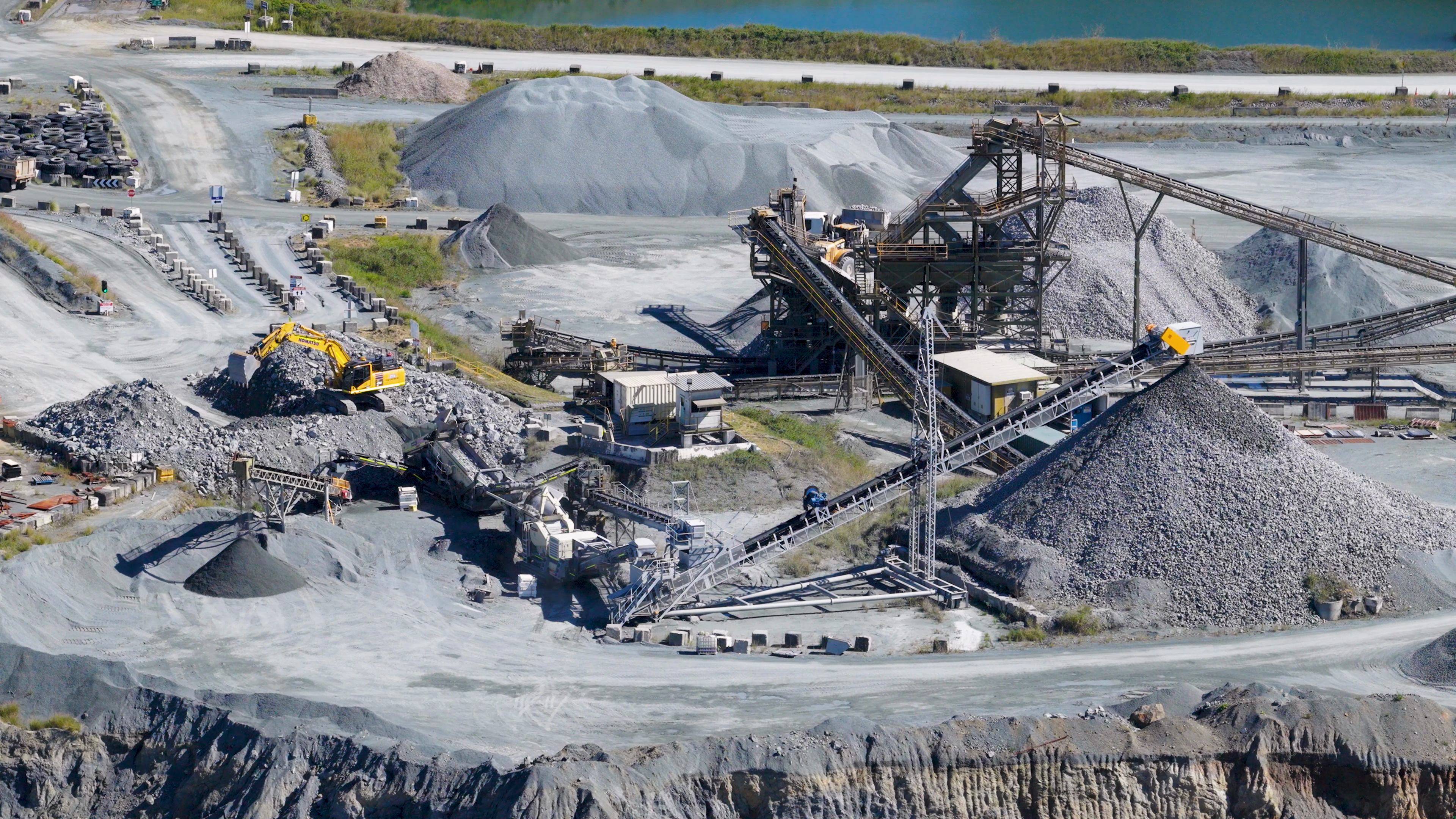
Yet a profound disconnect remains. The cars of the future are being assembled in factories across China, Europe and the Americas, while Africa largely continues to export its mineral wealth in raw form and import the finished products at a premium.
The global market is valued at over $2.6-trillion annually, and China alone produced more than 34-million vehicles in 2025, accounting for over a third of global output. Africa's share in that downstream value remains negligible.
A new chapter is unfolding, however, as major discoveries and strategic policy moves suggest the continent may finally be preparing to claim a more prominent position in the global automotive supply chain. This is not just a mining story; it is fundamentally an automotive industry story.
The global electric vehicle market has seen explosive growth. In 2025, electric car sales grew by more than 20% year-on-year, reaching 21-million units. The market is projected to grow to 4,2 terawatt-hours of battery capacity by 2030, an insatiable demand for critical minerals. This demand creates the impetus for African nations to move beyond resource extraction.
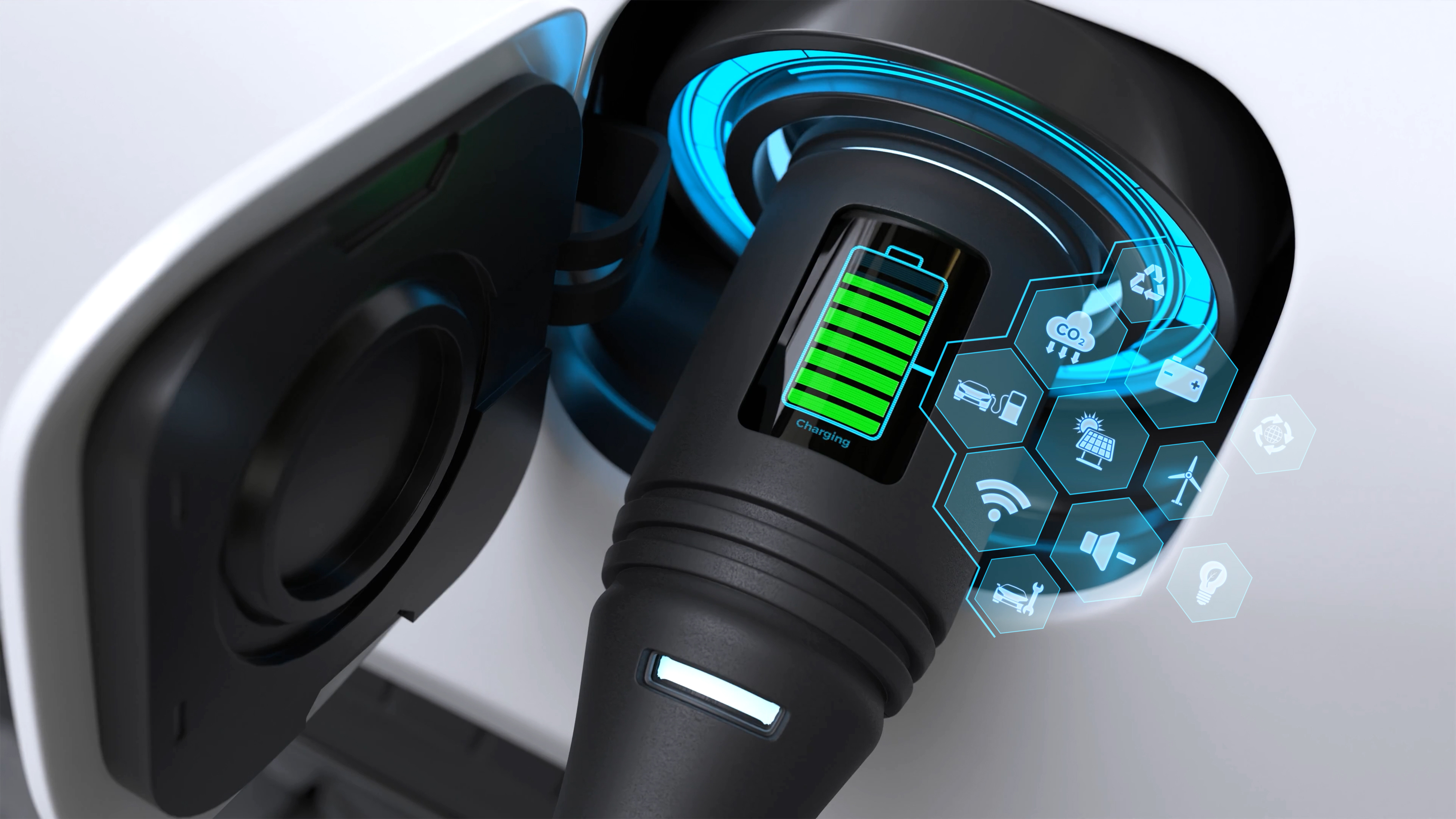
Nigeria, long known as Africa's largest oil producer, has announced what officials describe as a major new critical minerals province that could fundamentally reshape its economic trajectory. The discovery in Kaduna state contains significant deposits of lithium, platinum group metals, gold, nickel, copper and rare earth elements.
This puts Nigeria squarely into the automotive supplier conversation, as lithium and nickel are essential components for the lithium-ion batteries that are now the heart of every electric vehicle.
This discovery is critical when one considers the concentration of the global battery supply chain. Today, China dominates the processing of these materials, producing over 98% of LFP cathode material and battery cells for a chemistry now used in nearly half the global electric car market.
Europe and the United States are scrambling to diversify their sources and build out domestic manufacturing and Africa is positioning itself as an alternative supplier.
South Africa is already making concrete moves to capture more value from its mineral endowment, with direct implications for the automotive industry. The country has designated 21 minerals including manganese, platinum group metals and rare earth elements as ‘critical’, signalling an ambition to become a key supplier of materials vital for clean energy and advanced manufacturing.
Manganese Metal Company is commissioning the country’s first battery-grade manganese plant, expected to begin producing high purity manganese sulphate monohydrate soon. This is a significant step, as high-purity manganese is becoming a potential bottleneck in the battery supply chain, particularly as manufacturers shift towards lithium-iron-phosphate (LFP) chemistries.
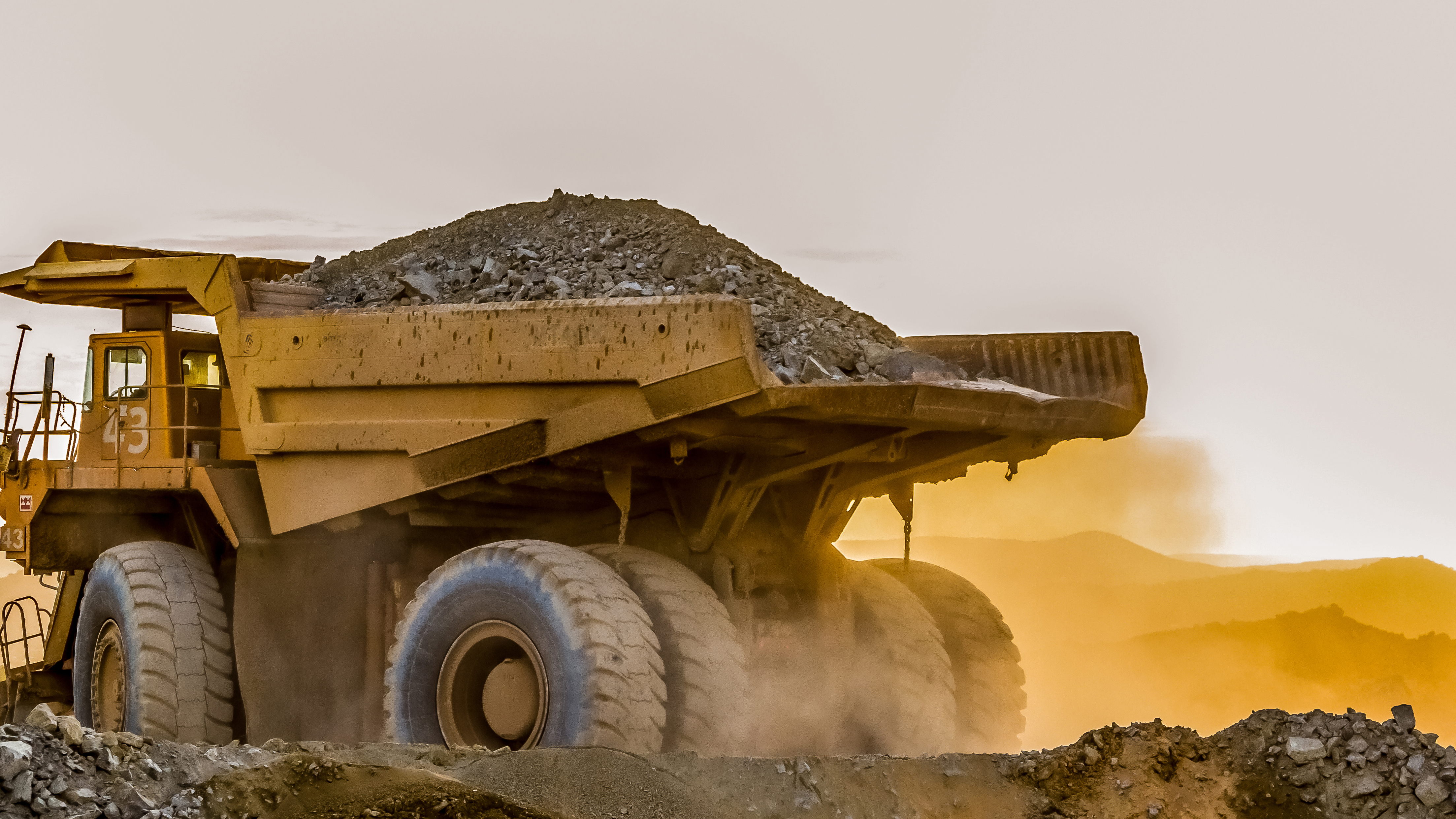
The opportunity is clear, but the obstacles are formidable. The continent struggles with a fundamental contradiction: it cannot benefit from what it cannot power. Mineral processing is an energy-intensive activity requiring reliable baseload electricity and modern grid infrastructure. Yet businesses across many African economies lose up to 15% of their sales value due to power outages, spending billions on diesel generators.
South Africa’s electricity challenges are particularly acute. Hugo Pienaar, chief economist at the Minerals Council South Africa, told the Financial Mail electricity costs are arguably the biggest reason behind the decline in local beneficiation.
He noted if incentives were adequate to offset power costs and logistics failures, the industry would not be seeing the notable decline in chrome and manganese smelting capacity. Without affordable, reliable power, the continent cannot transform its rocks into the battery components automakers desperately need.
There is also the matter of scale and competition. The global battery manufacturing industry is massive and integrated. McKinsey analysis shows 85% of future battery demand is driven by battery electric vehicles, and China is currently the world’s EV manufacturing hub, responsible for more than 70% of global production.
To compete, African nations need to attract investment not just in mining, but in the mid-stream processing of these materials into battery-grade products.
South Africa has been working to create an enabling environment. The Department of Trade, Industry and Competition is conducting a comprehensive review of the automotive policy.
This includes reviewing the customs tariff structure, developing a battery manufacturing policy, and attracting new vehicle manufacturers. The vision, as articulated by government officials, is to ensure South Africa contributes 1% to global vehicle production, with significant local and employment growth.
For global automakers, Africa's mineral wealth offers a solution to a growing problem. Europe is transitioning from being a net exporter of light vehicles to a net importer, and Western automakers face mounting pressure from cost inflation and fragile supply chains. African minerals represent a potential source of supply outside of China, which is a strategic priority for many governments and manufacturers.
South Africa’s existing automotive industry, supporting more than 115 000 direct manufacturing jobs and contributing approximately 5,3% to GDP, provides a foundation for this transition.
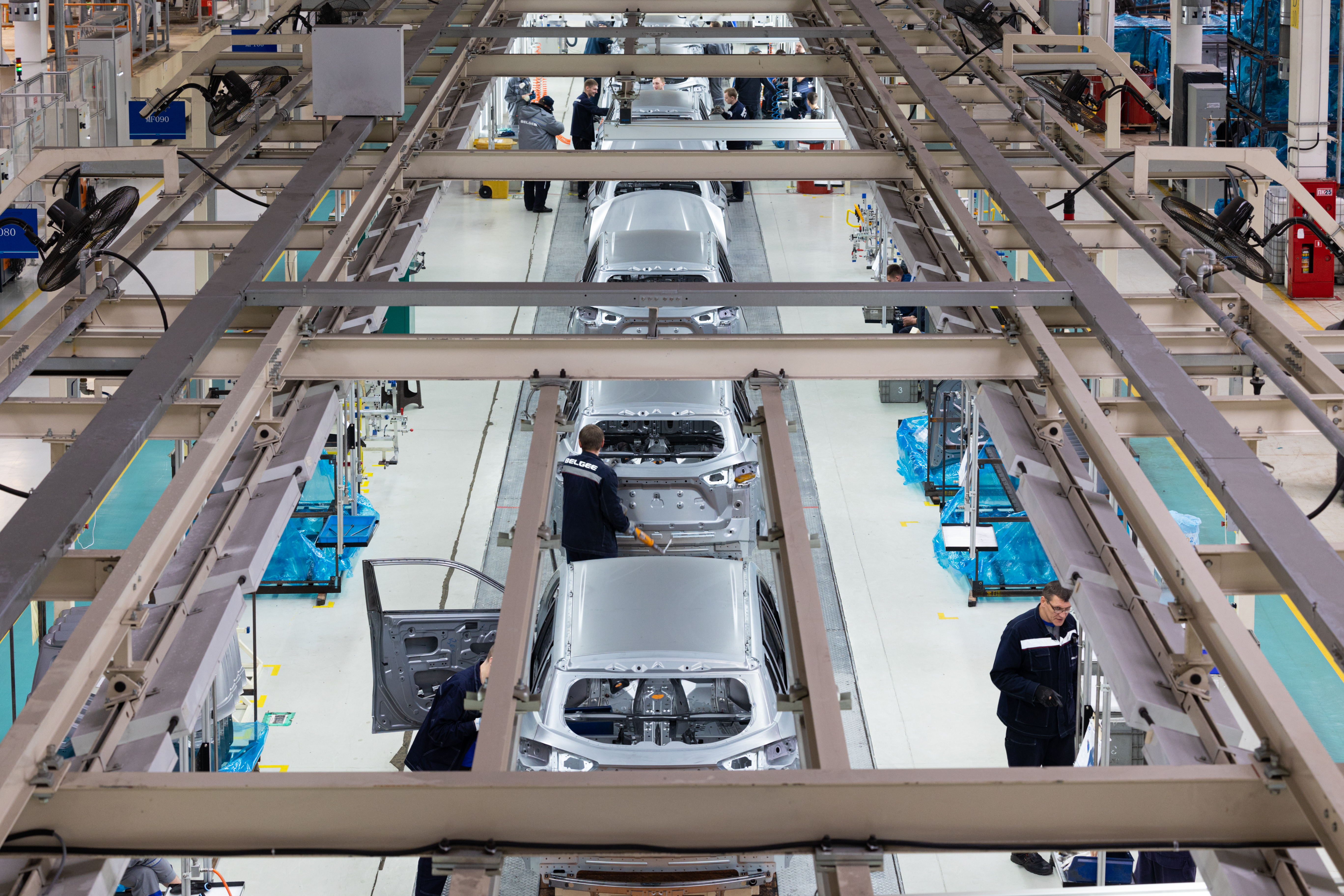
Automakers like Toyota, Ford, Volkswagen, and BMW already have plants in South Africa, and models like BMW's new X3 plug-in hybrid are now exclusively produced there. These manufacturers are watching closely to see if local battery production can follow the pattern of vehicle assembly. The aim is to create a regional automotive and battery supply chain, drawing on South Africa's manganese, Zimbabwe's lithium and the DRC's cobalt.
The key to success will be decisive action on several fronts. The global battery market is projected to reach 6,8 TWh by 2035, and to capture a share of that, Africa must secure reliable, affordable power for smelters and chemical plants. It must offer targeted incentives and regional sourcing rules to attract cathode, precursor, and cell manufacturers.
It must scale financing through public-private partnerships and export credits for capital-intensive downstream plants. And it must strengthen ESG, traceability, and formalisation of artisanal mining to reduce reputational risk and meet the stringent due diligence requirements of European buyers. The EU's new battery regulations, with their focus on recycled content and carbon footprint, will be a key benchmark for suppliers.
What is clear is that Africa’s mineral moment has arrived. The Kaduna discovery, the commissioning of the battery-grade manganese plant, and the growing policy momentum all point toward a continent determined to capture more value from its resources.
The global automotive industry is evolving, and Africa is trying to move from being a provider of raw materials to a participant in the manufacturing of the cars of the future. The question is whether the necessary investments in power, infrastructure, and regional coordination will materialise to turn this ambition into reality.


