
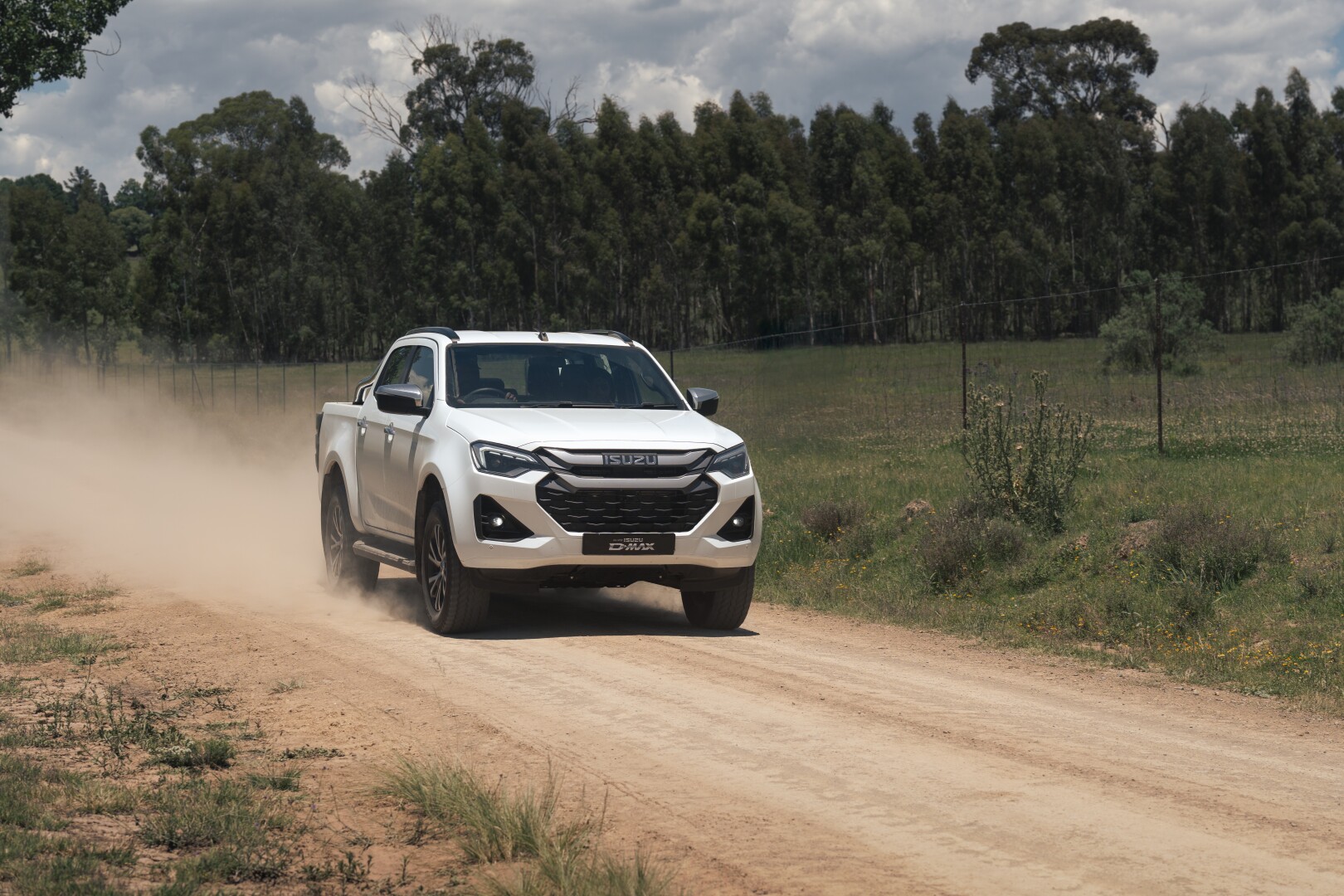
The tectonic plates beneath Africa’s automotive sector are shifting at an unprecedented velocity. For business leaders operating across the continent’s diverse markets, the past quarter has delivered a stark message: the old models of pricing, protection and powertrain preference are no longer a given. From the showroom floors of Gauteng to the new charging corridors of Casablanca and Dar es Salaam, a trio of forces is rewriting the rules of competition.

The first of these forces is the aggressive reshaping of South Africa’s entry-level vehicle market by low-cost Chinese imports, a trend that is forcing original equipment manufacturers and financiers to abandon legacy pricing strategies.
The second is a counter-narrative of resilience, exemplified by Isuzu Motors South Africa posting a record-breaking production year, proving that local assembly can still thrive amid the import storm.
Finally, the long-promised electric vehicle revolution is finally moving from pilot phase to commercial reality, with Tesla’s formal entry into Morocco and Tanzania’s ambitious ZERA rollout signalling that aftermarket demand and charging infrastructure are now urgent boardroom topics.
The Tariff Dilemma and the Chinese Tide
The figures coming out of South Africa’s automotive trade discussions are jarring for established players. Industry representatives recently testified before parliament imported vehicles now account for a staggering 55% of national sales. Within this influx, the rise of Chinese and Indian brands has been exponential, with sales volumes of Chinese vehicles alone surging by 368% since 2020.
This rapid market penetration by brands from the East has triggered a fierce policy debate in Pretoria. The International Trade Administration Commission is actively mulling the imposition of significant anti-dumping duties, with some proposals suggesting tariffs of up to 50% on vehicles from China and India to protect the embattled domestic manufacturing sector.
This mirrors a parallel move in the steel industry, where South Africa recently imposed a hefty 74,98% tariff on Chinese structural steel to combat dumping.
For business leaders, this creates a high-stakes ambiguity. A sudden tariff hike could protect local assembly jobs but would inevitably raise consumer prices, potentially shrinking the overall market. Conversely, doing nothing allows the import surge to continue eroding the market share of locally produced vehicles like the Toyota Hilux and Ford Ranger.
The pressure is forcing fleet managers and financiers to run granular total cost of ownership models, comparing the lower initial price of imported Chinese units against the historically higher resale value and parts availability of incumbent brands.
Isuzu’s Gqeberha Milestone
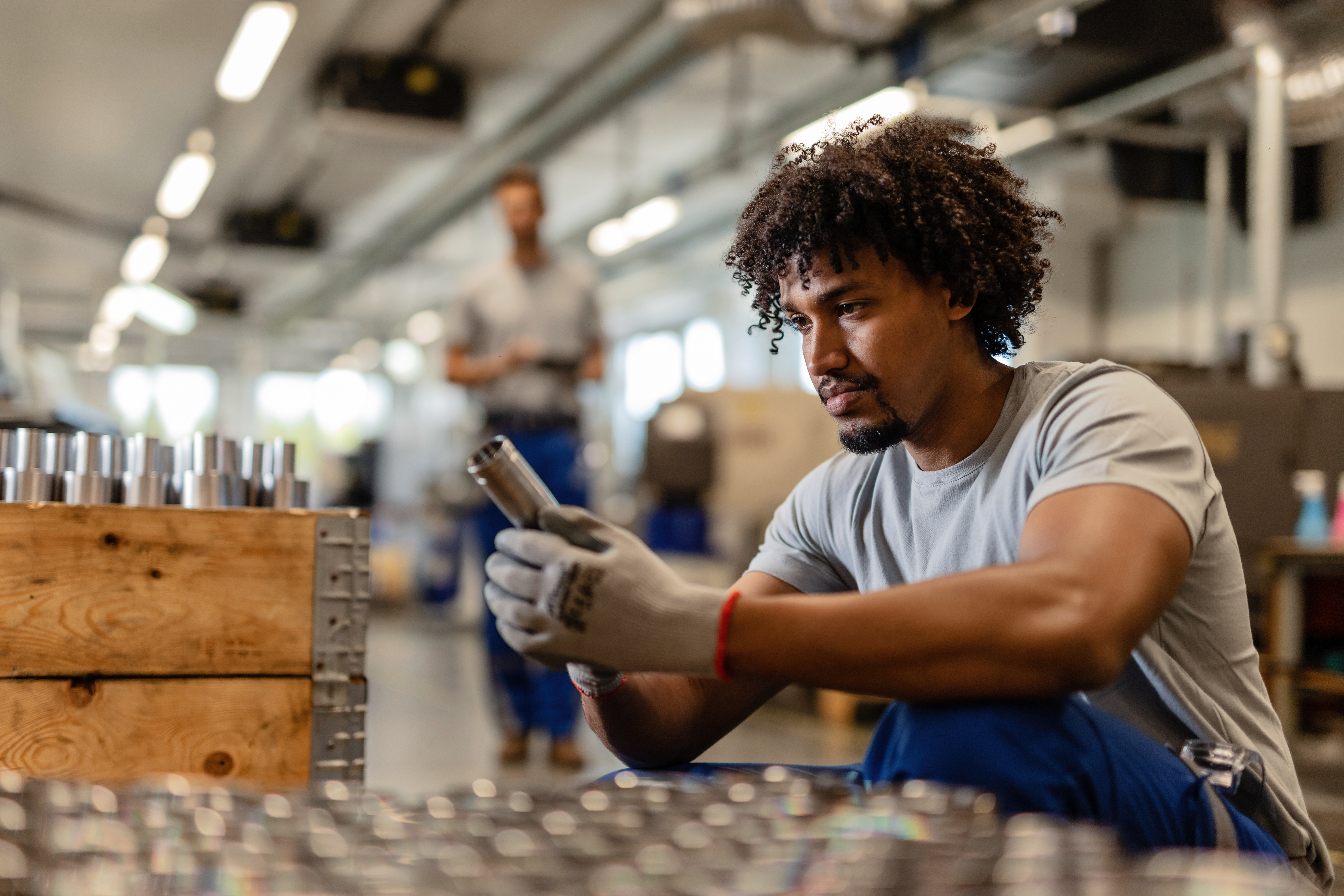
Amid the anxiety over import penetration, there remains a compelling story of domestic manufacturing prowess. Isuzu Motors South Africa has delivered a definitive rebuttal to the narrative of industrial decline. At its Struandale plant in Gqeberha, the company closed the 2026 financial year with its highest annual production on record. The numbers are substantial: over 27 400 D-Max bakkies rolled off the lines, representing a robust 21% year-on-year increase, alongside 3 800 trucks.
This performance is not merely a volume statistic; it is a signal of supply chain resilience and export capacity. Isuzu kept its crown as South Africa’s leading medium and heavy commercial vehicle brand for the thirteenth consecutive year.
For executives in logistics, construction, and mining, this stability matters. It suggests that despite the chaos in the entry-level passenger segment, the commercial vehicle sector—where uptime and lifecycle costs are paramount—still rewards established local manufacturing. The R1,2-billion previously invested in upgrading the facility is paying dividends, proving that with the right capital expenditure, the South African automotive assembly industry can compete and export.
The Electrification Threshold
While South Africa debates tariffs on internal combustion engines, the rest of the continent is accelerating past the pilot phase of electrification. North and East Africa are emerging as the new hotspots for EV activity, fundamentally altering the landscape for utilities, infrastructure providers, and aftermarket workshops.
In a move that has sent ripples through the luxury segment, Tesla has officially launched its first physical operations on the African continent in Morocco. Opening a pop-up store at the Anfaplace Mall in Casablanca, the American giant began taking orders for the Model 3 and Model Y, with first deliveries slated for the middle of 2026.
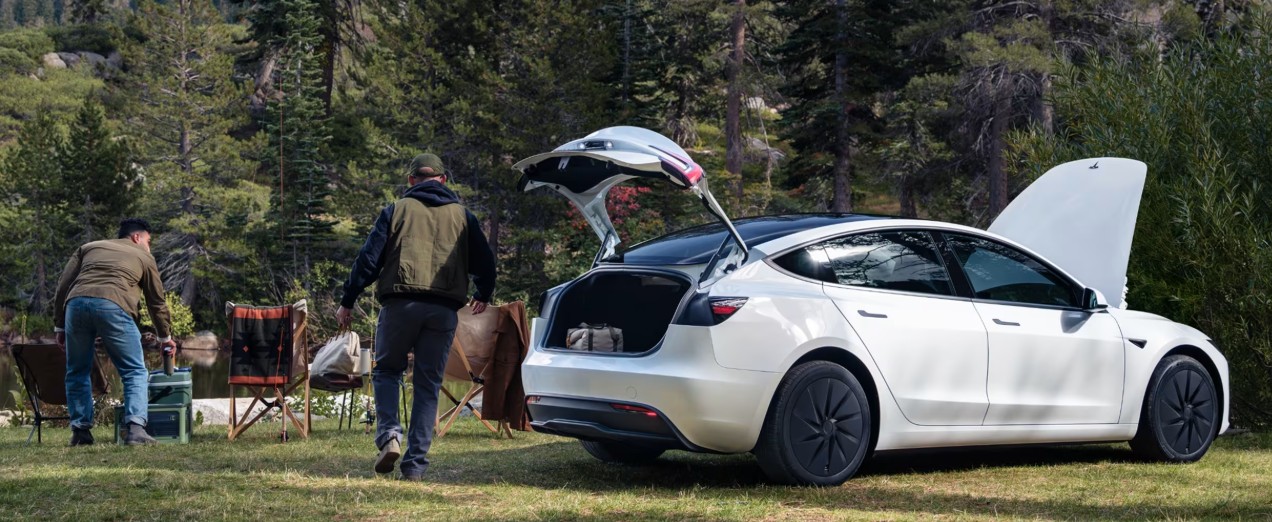
Crucially, Tesla did not arrive empty-handed. The company already has 24 Superchargers operational across Casablanca, Rabat, Tangier, Marrakech, Fes and Agadir, capable of delivering up to 250 kW of power. For business leaders watching the EV space, Morocco is demonstrating the viability of the ‘premium charging corridor’ model.
Simultaneously, East Africa is seeing a state-backed push into mass adoption. In Tanzania, the Ministry of Energy has officially launched the Dow Elef Auto EV (ZERA) initiative in Dar es Salaam.
The business case here is driven by brutal operational arithmetic. Government data released during the launch shows that running a petrol or diesel car in Tanzania costs approximately 200 Tanzanian shillings a kilometre, while an electric vehicle costs just 25 shillings, an 85% reduction in operating expenses.
Tanzania is leveraging its expanded power grid, now exceeding 4 500 megawatts, to fuel this transition. For logistics firms operating fleets across East Africa, these figures are impossible to ignore. However, the ZERA launch also highlights a critical bottleneck: the aftermarket.
The initial phase relies on importing fully built units, but the strategic plan explicitly aims for local assembly and the development of domestic battery and repair skills. This is where the ‘aftermarket squeeze’ becomes a risk. As vehicle powertrains shift, workshops that built their businesses on engine oil changes and exhaust repairs must urgently upskill to handle high-voltage systems and tyre safety management, as the torque characteristics of EVs demand specialized rubber.
The Aftermarket Counterfeit Crisis
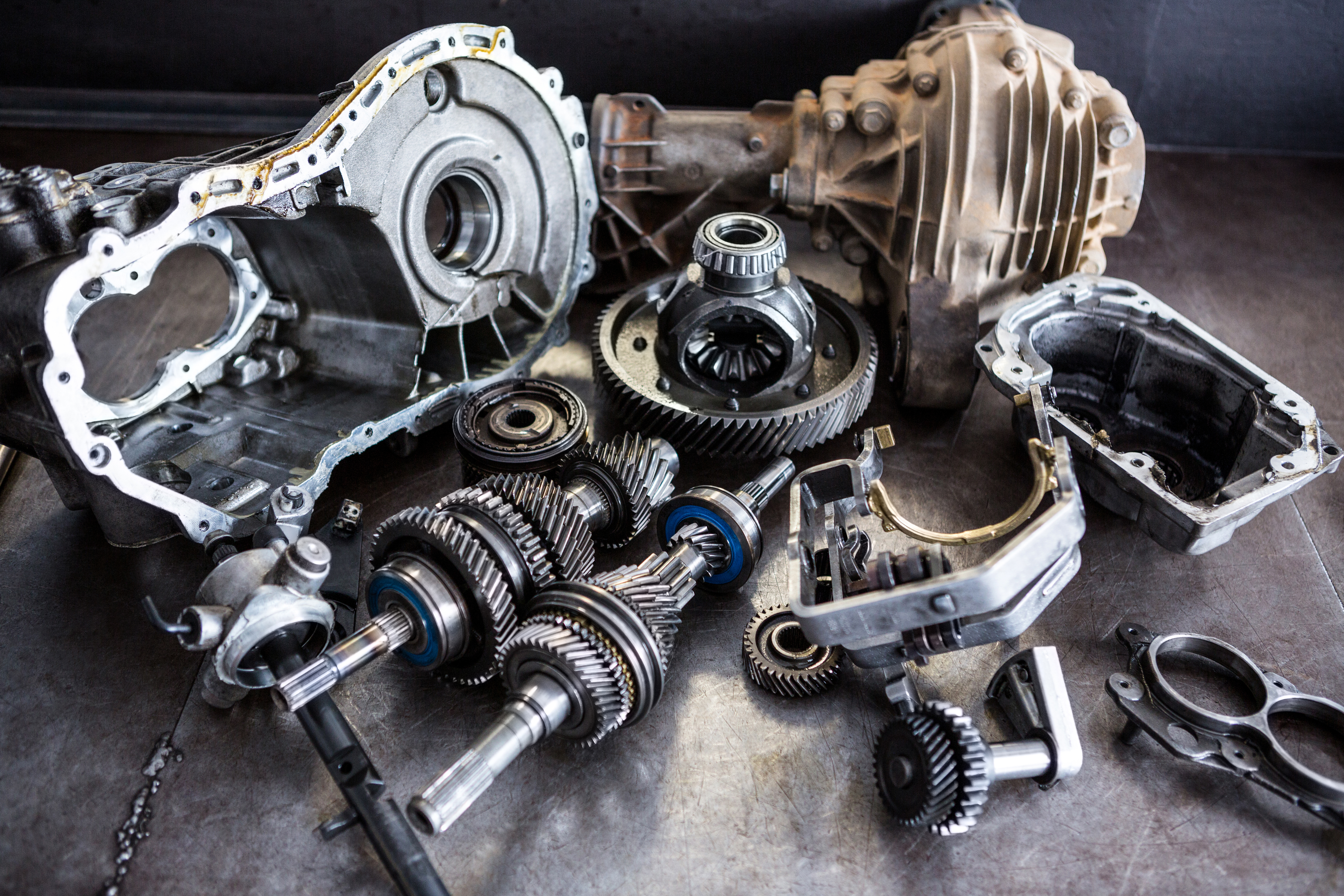
Compounding the technical challenges of the EV transition is a persistent threat to the existing fleet: counterfeit parts. An academic study published this year by the University of Johannesburg has cast a harsh light on the ‘brand protection’ crisis in the Southern African automotive aftermarket.
The research highlights that as vehicle complexity increases—both in high-tech internal combustion engines and new EVs—the proliferation of substandard components poses a significant risk to fleet uptime and insurance claim costs. The study argues that traditional legal enforcement is failing and calls for technological interventions such as blockchain tracking and radio frequency identification to secure the parts pipeline.
Strategic Recommendations for the Quarter
Given this volatile mix of import pressure, manufacturing resilience, and rapid electrification, business leaders across the value chain must move beyond observation to execution within the next 90 days.
The priority is a rigorous market impact review. Finance houses and fleet managers cannot rely on historical depreciation curves. They must model the total cost of ownership of Chinese imports against incumbent brands to understand where the value tipping point lies. The risk of a sudden tariff adjustment by the South African government adds a layer of complexity to this modelling that cannot be ignored.
Secondly, operational audits of repair network capacity are urgently needed. The arrival of Tesla in Morocco and the ZERA units in Tanzania means specific EV repair tools, training, and safely stocked parts are no longer a future luxury but a current necessity. Workshops still unprepared for high-voltage safety protocols are a liability.
Thirdly, the data from Tanzania proves that the economics of EVs work in an African context, provided the charging infrastructure exists. Business leaders should start a pilot project tied explicitly to a charging partner and a local utility. The goal should be to evaluate real-world total cost of ownership and grid impact on a specific route, rather than trying a full fleet conversion.
Finally, engagement with policymakers must shift from lobbying to evidence-based partnership. The steel tariff case showed that protectionism is on the table. The automotive industry must present data on the specific jobs tied to local content and the affordability thresholds of consumers to ensure that any anti-dumping duties are calibrated to avoid destabilizing the new-vehicle market entirely.
The African automotive landscape is no longer defined by a single dominant trend but by a collision of distinct realities.
In South Africa, the battle lines are drawn between cheap imports and local assembly resilience. In the north and east, the electric future is switching on. For the executive who sells parts, finances fleets or manages logistics, the path forward requires accepting that the internal combustion status quo is ending, and the era of diversified powertrains and defensive trade policy has already begun.
https://bit.ly/49fw0cX
