
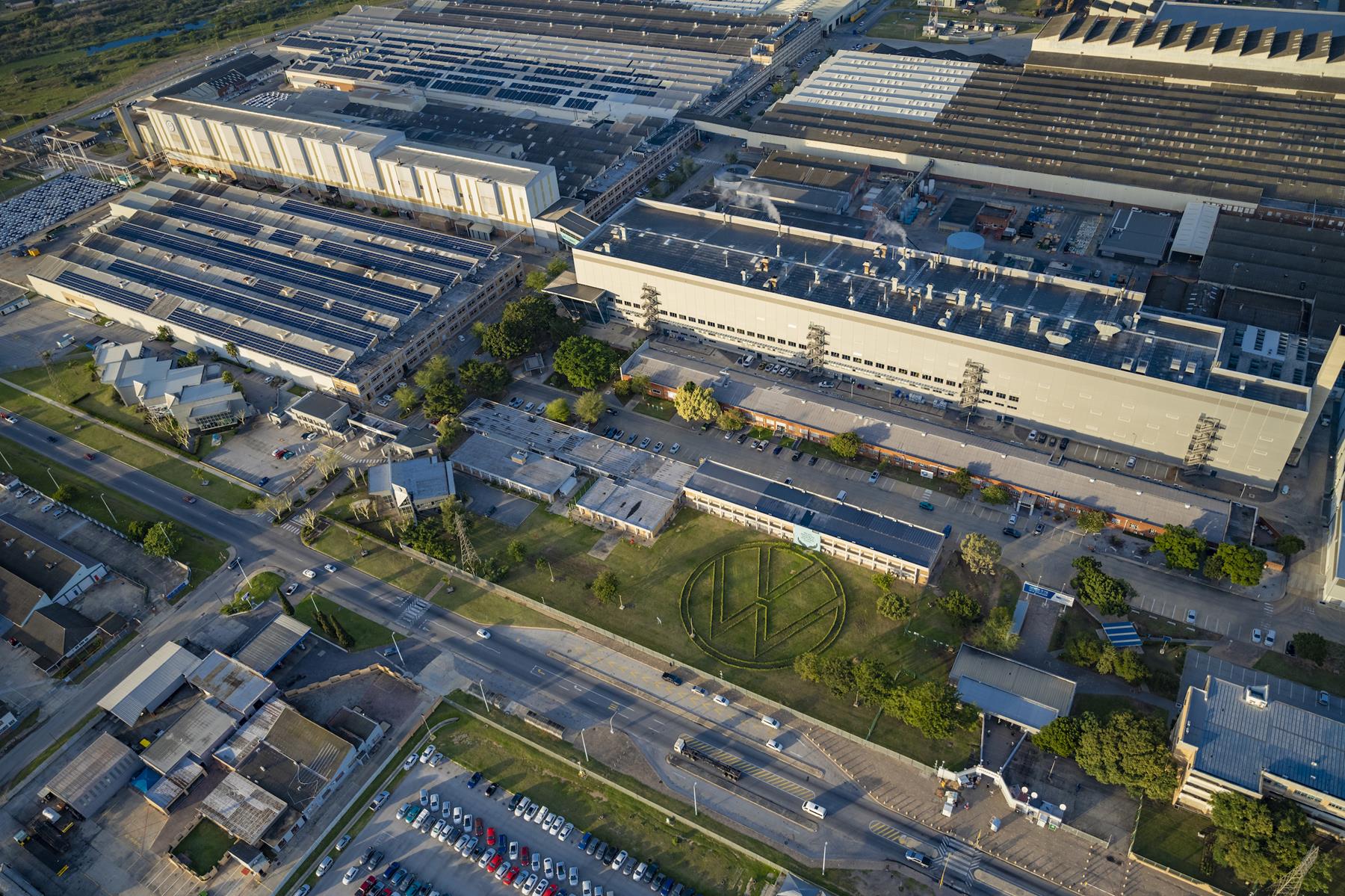
In a strategic move poised to reshape the continent’s economic landscape, South Africa’s recent accession as a shareholder of the African Export-Import Bank (Afreximbank) is being heralded as a potential game-changer for its cornerstone auto industry.
Analysts suggest the decision could unlock crucial finance, accelerate the implementation of the African Continental Free Trade Area (AfCFTA), and ultimately steer the sector towards a more prosperous, integrated future.
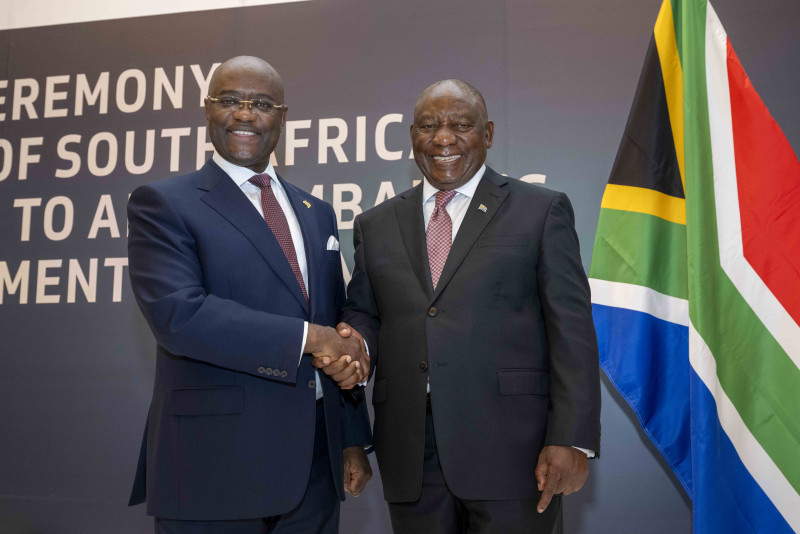 A US$8-billion commitment: HE Cyril Ramaphosa, President of South Africa and Dr George Elombi, President and Chairman of Afreximbank at the Country’s accession signing ceremony, marking the launch of a major Country Programme engineered to bolster the South African economy
The local automotive industry, a critical pillar of the national economy contributing nearly 5% to GDP and supporting hundreds of thousands of jobs, has long grappled with the challenges of limited scale, fragmented markets, and expensive access to trade finance. Joining Afreximbank directly addresses these pain points.
The most significant potential impact lies in the synergy with the AfCFTA. While the agreement promises a continental market of 1,3-billion people, its rollout has been hampered by logistical hurdles, payment system disparities and a simple lack of trade finance tailored for intra-African commerce.
Afreximbank, a key financial architect of the AfCFTA, operates the Pan-African Payment and Settlement System (PAPSS), which allows for instant cross-border payments in local currencies.
The macroeconomic outlook for local automakers, battered by global supply chain woes and sluggish domestic demand, stands to gain substantially. Increased export volumes into Africa would improve plant utilisation in places like Kariega, East London, and Rosslyn, enhancing economies of scale and potentially making local production more cost-competitive globally.
Furthermore, Afreximbank’s project finance capabilities could attract investment into the critical transition to new energy vehicles, however success hinges on our local industry’s agility to produce vehicles competitively tailored for diverse African consumers and on government’s parallel work to fix our ports, rails and energy supply.
If these domestic challenges are met, the combination of Afreximbank’s financial muscle and the AfCFTA’s market access could transform South Africa from a powerhouse serving mainly its domestic and traditional European export markets into the undisputed automotive hub of Africa.
The journey has begun, and the industry is now watching closely to see how quickly the promised finance flows onto the factory floor and out through the continent’s borders.
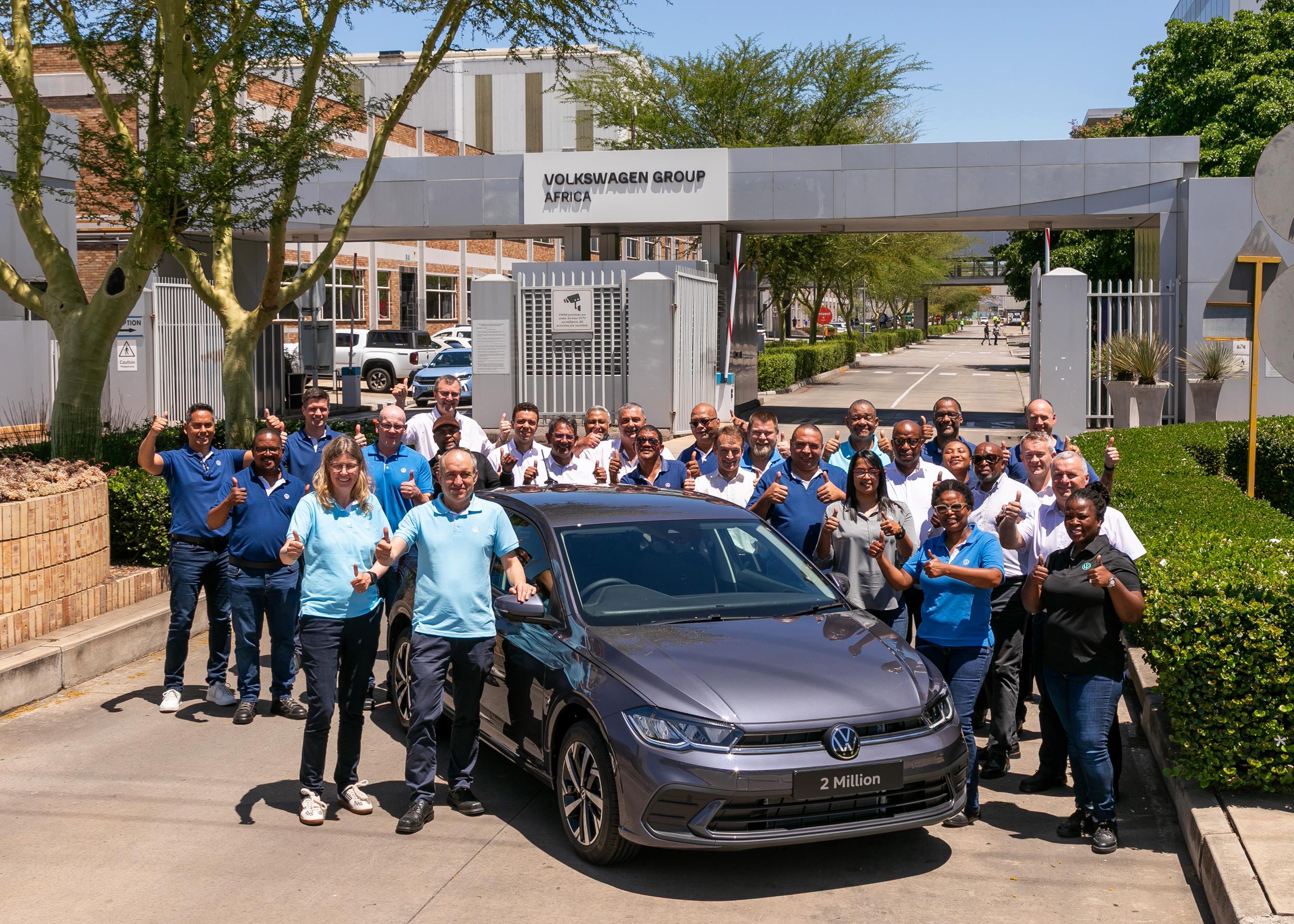 More than 2-million VW Polo models have been built at the Kariega plant
As always, there is a ‘but’ and in this case it comes from Volkswagen South Africa.
When Volkswagen Group Africa (VWGA) chairperson and managing director Martina Biene wrote to President Cyril Ramaphosa shortly before Christmas, it was an effort to push urgency into a process she believes has dragged on far too long, with real implications for the future of South Africa’s automotive industry.
Speaking at VW’s annual Media Indaba in Kariega, Biene said: “I wrote a letter to the President prior to Christmas. I mainly outlined that for us at VWGA, this year is crucial for securing an investment decision from VW headquarters for the next project in the pipeline.”
Her request was straightforward: clarity. Not only on the financial viability of future projects, but also on whether South Africa’s policy direction gives investors enough confidence to commit long-term capital.
“For this investment decision, they look at the economics and the business case,” she explained. “But headquarters also look at what’s happening in the country. One of their non-negotiables is seeing improvement in South African policies.
“You might have a business case,” she cautioned, “but there are stronger business cases elsewhere if we can’t show that investing here is sustainable.”
She didn’t mince her words: “This year for us is make or break.”
Professor Adrian Saville, economist and strategy specialist at GIBS, echoed the concern. Asked whether a major manufacturer could realistically leave South Africa, he didn’t hesitate.
“Could a specific business leave? Absolutely. Capital can go anywhere,” he said. “There are 200 markets you can choose to allocate capital to. There’s nothing that guarantees South Africa a place at the front of the queue.”
Saville pointed out that the country’s industrial history is full of once‑significant manufacturers that no longer exist. “South Africa is an industrial graveyard. No company is too big, too established or too important to walk away if conditions deteriorate.”
Despite the seriousness of her message, Biene says she received no direct reply from Ramaphosa. “The unfortunate thing is that the President didn’t reply to me,” she confirmed.
She did note that there has since been activity between the Automotive Business Council (Naamsa) and the Presidency’s staff, suggesting the letter may have prompted some movement behind the scenes.
Whether that translates into actual policy progress remains unclear. “Am I satisfied with that? I don’t know,” she said.
Saville argues that certainty alone isn’t enough if the underlying policy is weak. “Policy certainty over a policy that doesn’t work is a death blow,” he said. “We’ve got a knife at a gunfight.”
Still, both he and Biene acknowledge that South Africa has shown it can get policy right. The Automotive Production and Development Programme and the South African Automotive Masterplan are often cited as examples of what’s possible when government acts decisively.
The challenge, Biene says, is timing. “We don’t have the luxury of two or three years of debating and deliberating. The requirement is urgent.”
Her letter to the President was intended to make that point clear. Whether the message lands will matter not only for Volkswagen, but for the entire vehicle manufacturing sector in South Africa.
https://bit.ly/3MsFyZQ

No comments:
Post a Comment