
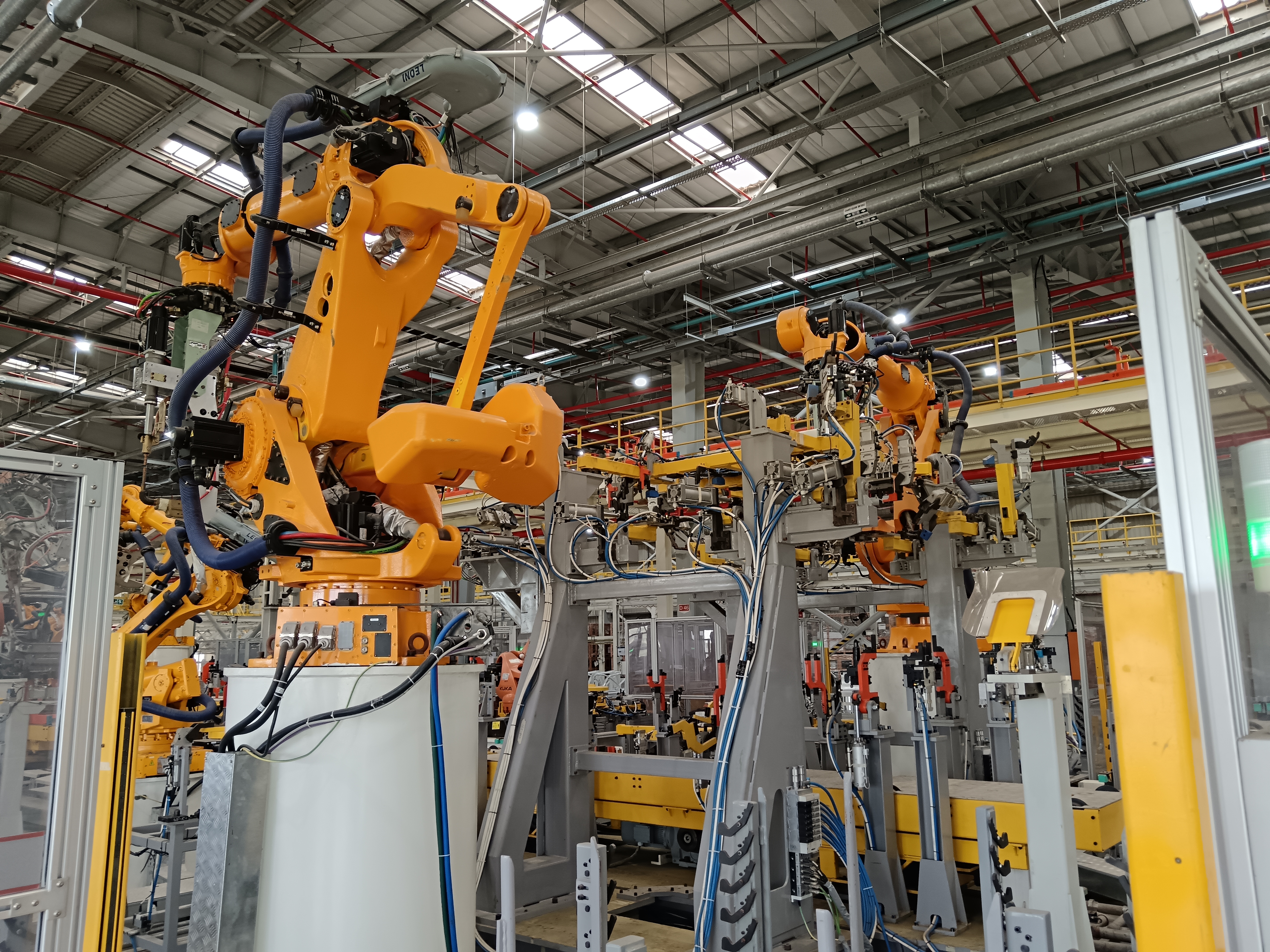
How Chinese ambition is rewriting the rules of South Africa’s motor industry — and what it means for the legacy giants.
There is a moment, just before the sun dips behind the Magaliesberg, when the sprawling Nissan plant in Rosslyn used to look eternal. For 60 years, it was a monument to South African industry, churning out the bakkies that built the nation: the 1400 Champ, the Hardbody, the Navara.
But steel rusts, and empires crumble.
By mid-2026, the keys to this 60-year-old fortress will be handed to Chery, the Chinese giant that arrived in South Africa only five years ago but is already stealing the crown from Volkswagen.
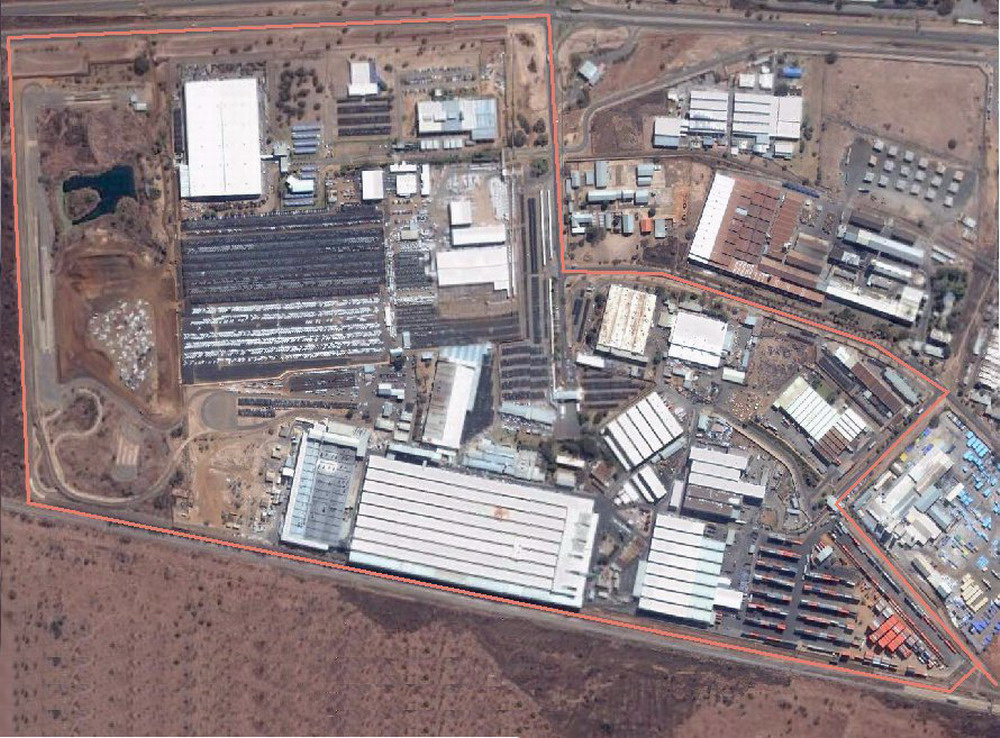 Nissan's Rosslyn plant - now becoming a Chery operation
Up the coast in East London, Mercedes-Benz is quietly negotiating to let Great Wall Motor (GWM) move into its lounge. Meanwhile, in Gqeberha, Foton is happily assembling bakkies inside BAIC’s factory.
The Chinese are no longer just selling cars here. They are moving in.
For the first time since the fall of apartheid, the dominance of South Africa’s ‘legacy five’—Toyota, Volkswagen, Ford, BMW, and Mercedes-Benz—is facing an existential threat. Not from each other, but from a wave of manufacturing that is cheaper, faster, and backed by the full weight of the state.
To understand the shift, forget the sales charts for a moment. Look at the dirt.
For decades, the barrier to entry for foreign brands was capital. Building a factory in South Africa costs billions. But the Chinese have realized a cheat code: you do not build a factory. You buy a distressed one.
The Chery-Nissan deal is the most aggressive example. Nissan, struggling globally, pulled the plug on Rosslyn. But Chery did not want the brand; they wanted the building. They bought the stamping facilities, the paint shops and the body-on-frame expertise for what analysts suspect was a bargain price.
Why? Tariffs. Importing a car into South Africa attracts a 25% duty. Building it here—specifically achieving Completely Knocked Down (CKD) status—unlocks government incentives and avoids that penalty.
Then there is the Mercedes-GWM deal. It is a sign of desperation and pragmatism in equal measure. Mercedes spent millions modernizing the Eastern Cape plant recently, but with the US slapping tariffs on South African exports, the C-Class line is underutilized. Sharing the space with GWM—allowing the Chinese to build Tank SUVs and Haval models—keeps the lights on and the 2 400 workers employed.
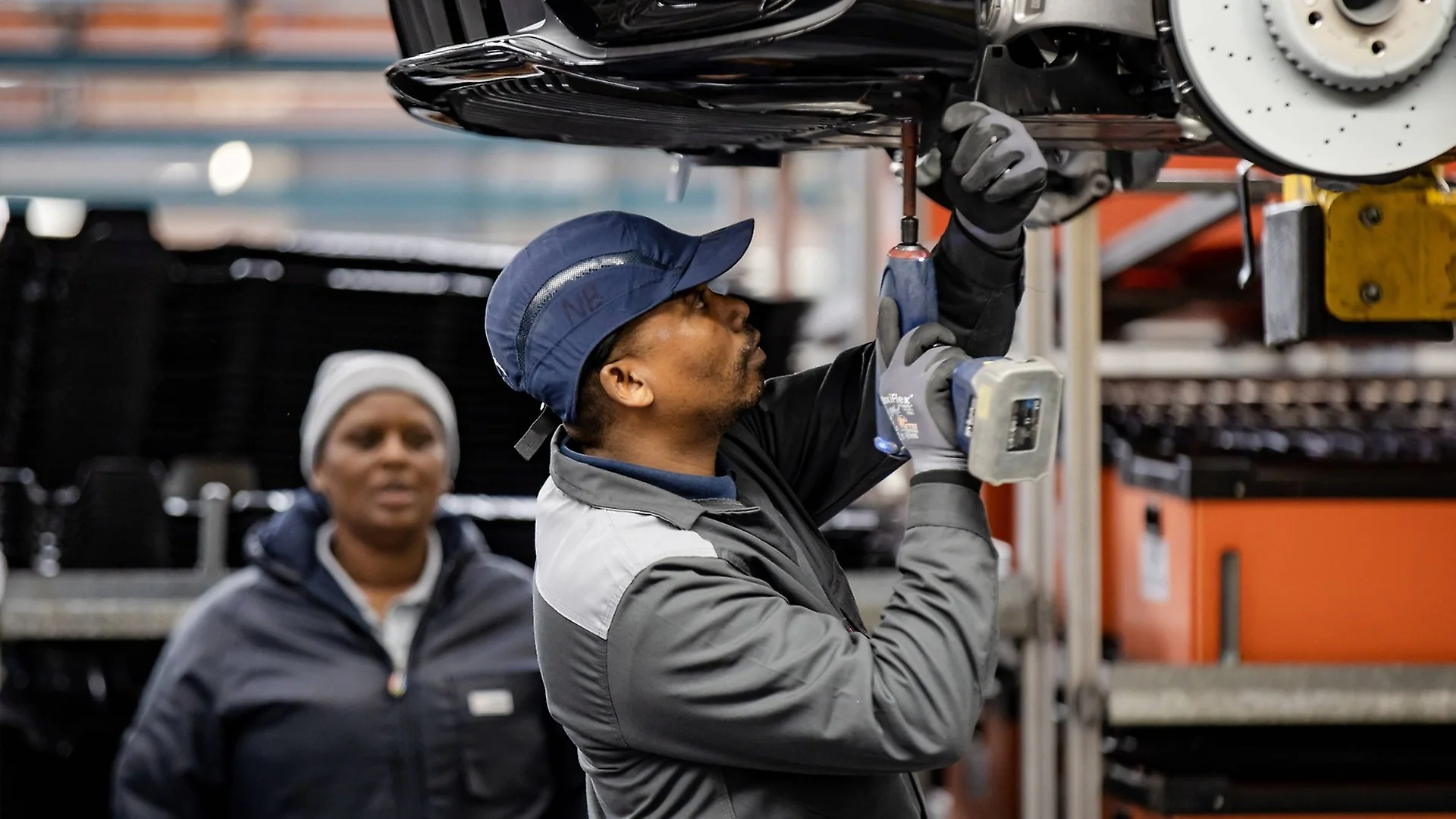 Workers inside the Mercedes-Benz factory
It is a humbling reality for the three-pointed star: to survive in Africa, you might need to host the competition.
But not everyone is welcoming the newcomers.
Andrew Kirby, the CEO of Toyota South Africa, is usually a measured figure. Recently, however, his tone turned sharp. He is calling for the government to ban a specific type of assembly known as SKD (Semi-Knocked Down).
Think of SKD as the ‘screwdriver’ assembly. You import a vehicle that is almost fully built, slap on the wheels and the bumper, and call it ‘local.’ It employs very few people but still qualifies for tax breaks.
“For every job created in a light vehicle SKD facility, as many as eight jobs are lost by the corresponding CKD operations,” Kirby warned.
Volkswagen’s Martina Biene agrees. VW employs nearly 3 600 people in Kariega, pumping millions into the local economy. She is watching with alarm as brands like BAIC and Foton—who operate out of a state-owned factory in Gqeberha—ramp up SKD production of the Tunland bakkie.
The fear in Tshwane and Kariega is that South Africa will repeat the mistakes of Australia. Once a proud car-making nation, Australia dropped its tariffs and protections. The factories closed. The skills vanished. Now, they drink coffee in the converted warehouses where cars used to roll off the line.
The fight is not just on the assembly line. It is in the supply chain.
Renai Moothilal, CEO of NAACAM (the component makers’ association), is watching his members fall like flies. In the last two years, at least 12 local parts suppliers have closed, shedding over 4 000 jobs.
When Toyota or Ford builds a Hilux or a Ranger, they use local seats, local wiring harnesses and local axles. When Chery imports a car, the only local content is the air in the tyres.
“The influx of these imported, lower-price point vehicles into the South African market has had a dual effect,” Moothilal told Engineering News. “They all arrive fully built, which means… there are limited immediate opportunities for local component suppliers.”
Even giants are hurting. Goodyear recently shuttered its historic tyre plant in Gqeberha. The city, once known as the ‘Detroit of South Africa,’ is now better known for its ghost factories and rising unemployment.
If the component sector collapses, the legacy brands lose their competitive advantage. Without a local supply chain, Ford and Toyota are just importers. And they cannot beat the Chinese at that game.
So, why aren’t the legacy brands dead yet?
Drive to any taxi rank or construction site in Limpopo or KZN, and you will see the answer. The Toyota Hilux and Ford Ranger are still the kings of the dirt. South Africans are loyal to what works.
However, that loyalty is expensive. Over the past decade, the legacy brands have drifted upmarket. A fully kitted double-cab now costs upwards of a million Rand. That left a gaping hole in the market for affordable transport. The Chinese did not just walk through that door; they drove a fleet of SUVs through it.
“You have to make sure we are well represented in the new emerging market,” says Gideon Jansen van Rensburg, CEO of Motus Retail, the country’s largest dealer group. Motus is now scrambling to add Haval, Chery and Mahindra to its floors because that is where the foot traffic is going.
The legacy brands are fighting back. VW is rushing to launch the ‘Tengo,’ a small crossover based on a Brazilian platform, built in Kariega, to try and claw back entry-level buyers. Ford is betting big on the next-gen Ranger. Toyota is leaning on its reputation for resale value.
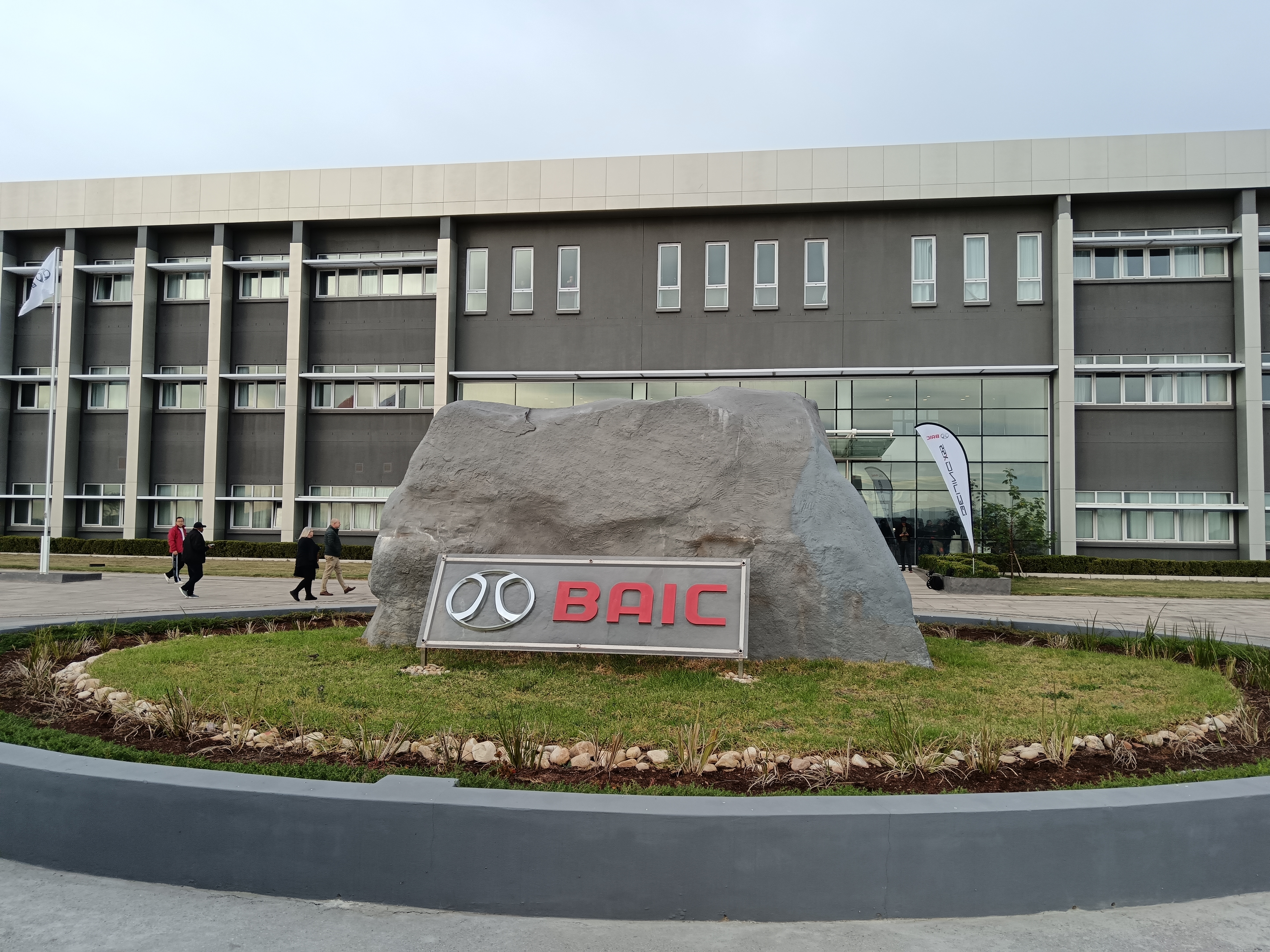 The BAIC factory in the Eastern Cape - now assembling Foton vehicles
The next five years will likely see a ‘two-speed’ South Africa.
On one side, you have the Chinese and Indian brands. They will control the volume game—the R300 000 to R500 000 segments. They will offer massive screens, leather seats and long warranties. They will be built in the old Nissan factories and shared Mercedes plants.
On the other side, you have the Legacy Five. They will become quasi-premium brands. You will buy a Toyota or a VW not just for the car, but for the network—the guarantee that the part is in stock, the resale value holds and the financing is easy.
But the middle ground—the affordable, high-volume, high-tech car—is disappearing. That ground is now Chinese.
“The goal is not indefinite protection,” Moothilal warns, “but building a sustainable, globally competitive component sector.”
If the government does not close the SKD loophole and force the new players to build real factories (with real local parts), the legacy brands might pull the plug. They will not leave because of the Chinese. They will leave because they cannot compete against a government policy that lets their rivals play by different rules.
For now, the lions are still roaring in Rosslyn and Silverton. But for the first time in a century, the people who built this industry are looking in the rearview mirror.
And all they see is a Great Wall coming up fast behind them.
https://bit.ly/3OoH8wO

No comments:
Post a Comment