
German truck maker responds to market squeeze with fuel-efficient technology and expanded support programmes
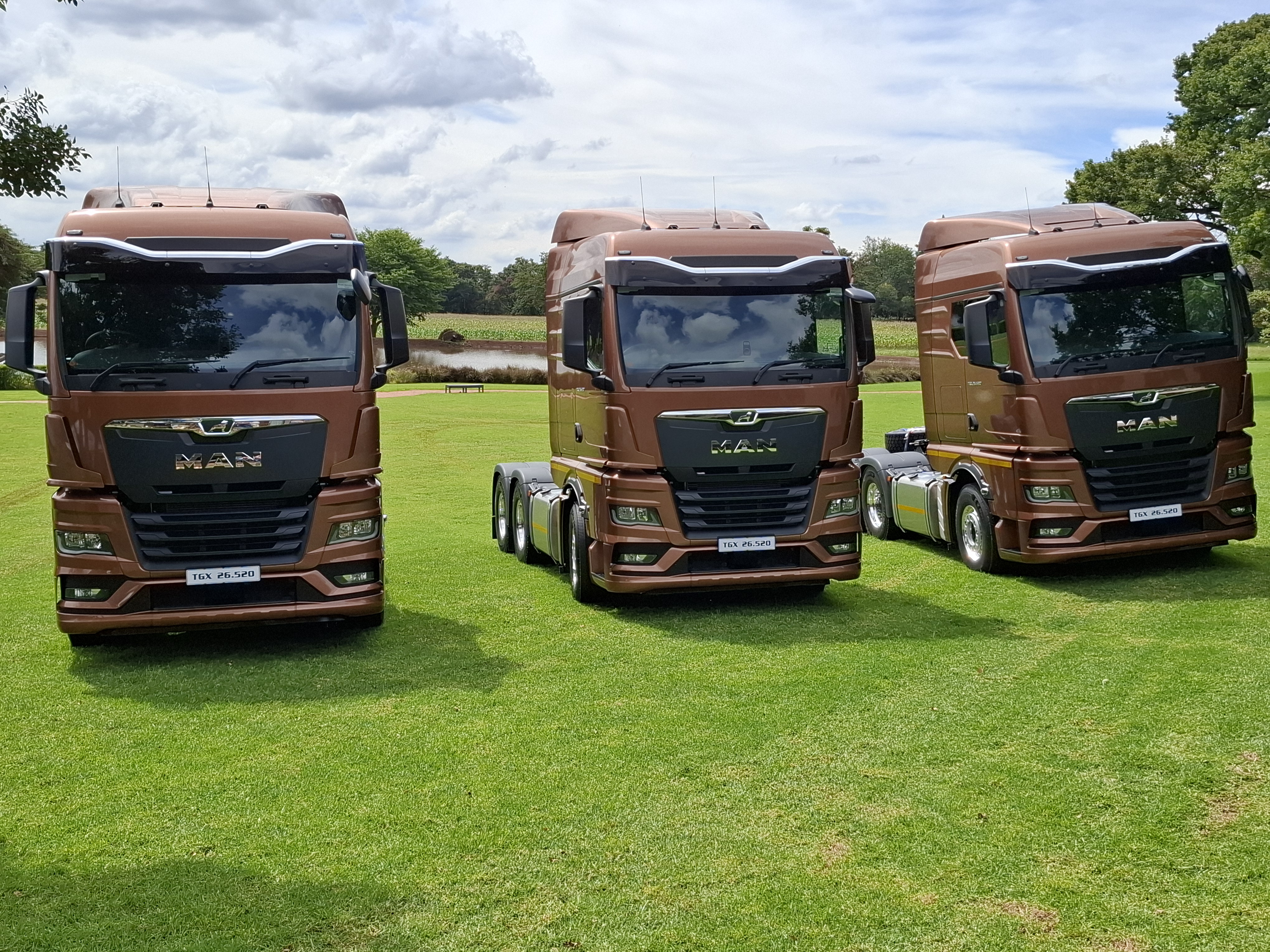
MAN Truck & Bus has taken the wraps off a comprehensive update to its heavy-duty vehicle range, introducing a new flagship model and re-engineered powertrain at a time when South Africa's transport industry is navigating intense economic pressure and shifting competitive dynamics.
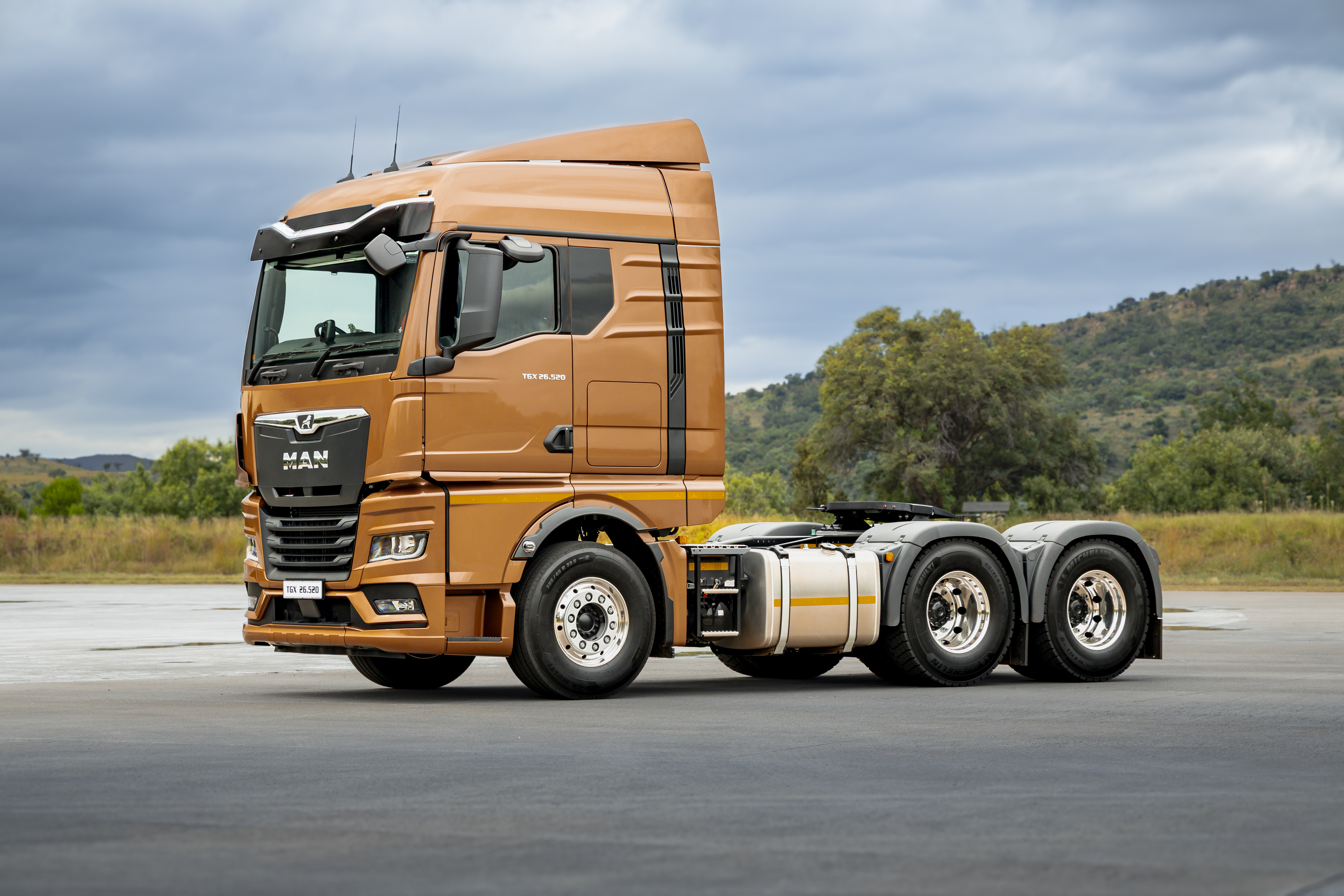
The centrepiece of the launch is the TGX 26.520, a 6x4 truck tractor equipped with the company's newly developed D26 Efficiency engine. The 12,4-litre power unit produces 387 kW and 2 600 Nm of peak torque, consolidating MAN's previous engine offerings into a single, more efficient platform. The new engine replaces the outgoing D20 and D26 series while delivering an additional 150 Nm over its predecessors.
Engineering refinements target fuel savings
The technological upgrades focus on incremental improvements designed to reduce operating costs. Higher injection pressures of up to 1 800 bar enable more complete fuel combustion, while electronically controlled turbocharging provides precise boost management. Inside the engine, steel piston rings have been reinforced for extended durability.
The torque curve has been remapped to deliver maximum pulling power from lower engine speeds, starting at approximately 930 r/min. This change makes the vehicle easier to drive in yard manoeuvres and contributes to fuel efficiency, particularly during low-speed operations.

Software enhancements accompany the mechanical changes. The trucks will introduce EfficientCruise to the South African market, a system that uses topographic data to anticipate road conditions and pre-select gears before inclines or descents rather than reacting to them. An EfficientRoll function allows automatic coasting in neutral on downhill sections to conserve fuel.
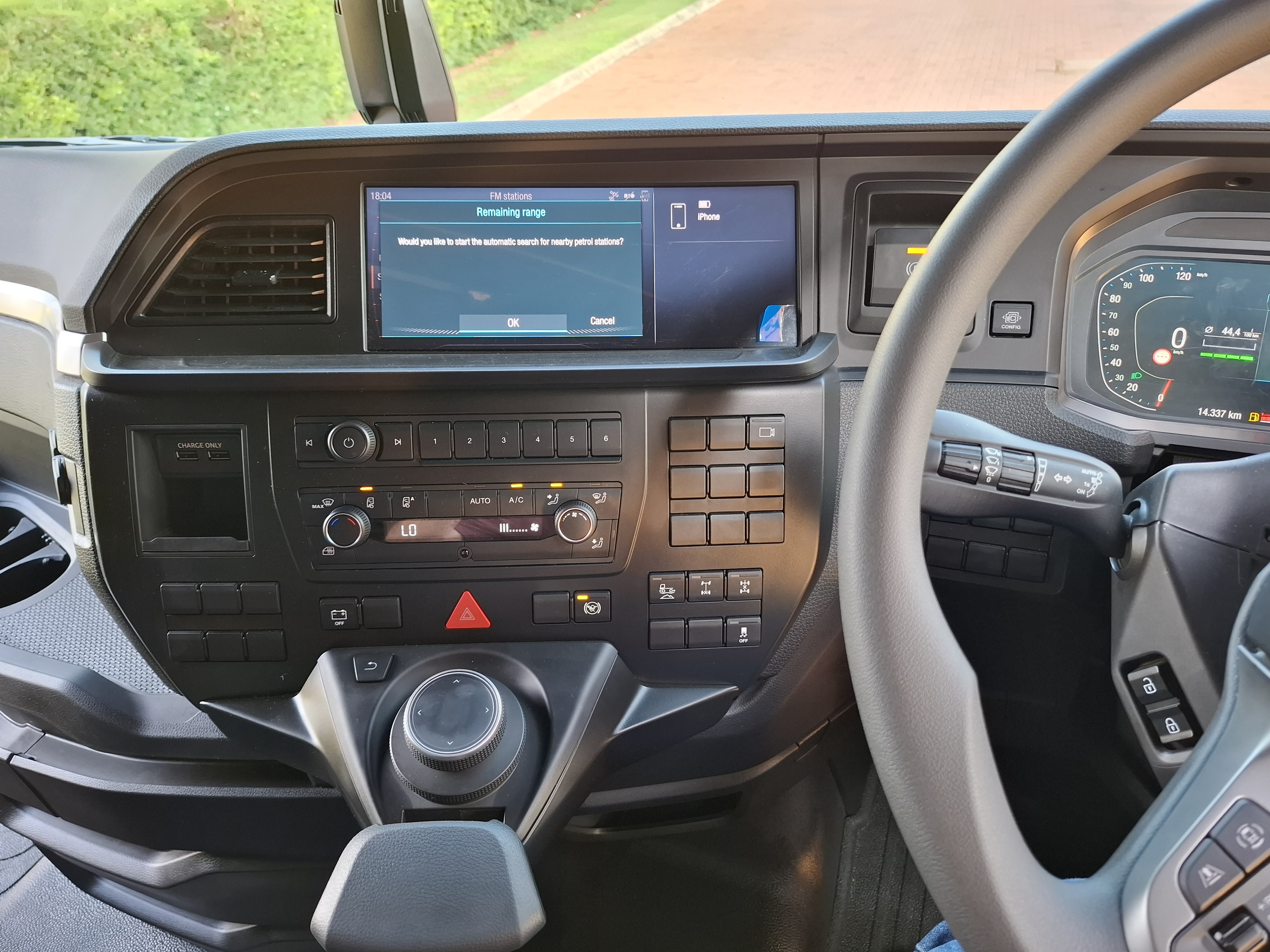
Safety features now come standard with Emergency Brake Assist capable of detecting pedestrians and cyclists, Adaptive Cruise Control, and a driver's airbag. The braking system combines an electronically controlled engine brake with an Equal Retarder that minimises driveline drag when not engaged, delivering up to 805 kilowatts of continuous braking power. A visible red seatbelt has been added as a practical feature for mining operations where compliance checks occur from outside the vehicle.
The Euro 5 versions achieve up to 3% lower fuel consumption compared to the previous generation, while Euro 2 models see improvements of up to 6%, according to company data. Further reductions are possible with optional aerodynamic packages and the OptiView digital mirror system.
Drive360 positions MAN as broader partner
Alongside the vehicle launch, MAN introduced its Drive360 initiative, framing the company as a full-service partner rather than simply a manufacturer. The approach encompasses vehicle specification support, financial services through MAN Financial Services, and a tiered aftersales structure.
The parts portfolio now includes four product lines designed for vehicles at different life stages. MAN Genuine Parts carry a two-year warranty for vehicles under maintenance contracts. Ecoline offers re-engineered components from dismantled vehicles, also with two-year coverage. Line360 provides locally sourced parts built to German technical standards with minimum one-year warranties. A used parts programme sells certified components from pre-owned vehicles with three-month warranties, aimed at keeping older trucks on the road economically.
The company expects to disassemble around 60 vehicles in 2026 through this channel, recovering components from write-offs that might otherwise be scrapped.
MAN TopUsed, the certified pre-owned vehicle programme, operates from Centurion, Pinetown and Cape Town, offering entry points for smaller operators while supporting trade-back opportunities for existing customers. The training academy provides on-site driver coaching aimed at reducing fuel consumption and maintenance costs.
Market pressures intensify from multiple directions

The technical launch was accompanied by a frank assessment of industry conditions from managing director Jan Aichinger, who described the past year as difficult for the entire transport sector in South Africa and neighbouring markets.
While MAN has maintained its share of the premium European truck segment at approximately 15.9%, this stability masks a shrinking overall market. The budget Japanese segment has recorded modest growth, but the most significant shift has been the rapid emergence of Chinese manufacturers as serious competitors.
Aichinger was direct about the changing landscape, noting that larger fleets are now turning to low-cost alternatives. The customer base that previously remained loyal to European brands is increasingly considering other options, he said.
The effects are most visible in the used truck market, where nearly every second new vehicle is sold with a residual value attached. As market conditions soften, customers return vehicles, swelling used stock levels. At the start of 2025, this posed a major concern, with new low-cost trucks competing directly in the same space as young used European vehicles.
MAN responded by selling more than 700 used units in 2024, reducing its stock holding from nearly 500 vehicles to around 300. Aichinger said the objective is to maintain control of the business rather than being forced into reactive positions by high stock levels.

Local investment continues despite policy frustrations
Despite challenging market conditions, MAN continues to invest in its South African operations, which include two production sites outside Europe in Pinetown and Olifantsfontein. The Pinetown plant was recently designated as the first carbon-neutral automotive facility in South Africa, operating partially on solar power.
The company maintains around 70 apprentices and a youth employment programme. On the bus and coach side, MAN is preparing to launch an extensively updated Lion's Explorer range in August, with the first deliveries expected in early 2027 following significant local engineering input.
Aichinger, however, expressed frustration that government procurement does not always favour manufacturers with local production presence. Citing the RT57 tender as an example, he noted that the top-rated bidders were not necessarily companies building vehicles locally. He called for policy changes that would direct government purchasing toward locally produced products, describing this as a relatively simple adjustment that could have substantial impact.
He also reiterated the industry's call for regulatory clarity regarding Euro 5 emission standards adoption. Without a confirmed implementation date, manufacturers remain uncertain about future investment directions. The absence of clear timelines slows the pace of investment that the industry could otherwise deliver, Aichinger said.
The new D26 Efficiency engine platform will be progressively integrated across the entire TGS and TGX product portfolio throughout 2026, standardising MAN's heavy-duty offering in the region.
https://bit.ly/4r3hKu1
