

The African Association of Automotive Manufacturers (AAAM) has described the approval of new trade rules for the automotive sector under the African Continental Free Trade Area (AfCFTA) as a major step forward for industrialisation on the continent.
The decision, formalised during the 39th Ordinary Session of the Assembly of African Union Heads of State and Government, paves the way for duty-free trade in vehicles and components across member states.
The Rules of Origin (RoO) for automotive products, which apply to customs codes 8701 to 8716, were initially agreed upon by ministers at the AfCFTA Council of Ministers meeting in Cairo in September 2025. The formal endorsement came from heads of state during their gathering in Addis Ababa, Ethiopia, recently.
Under the newly adopted framework, vehicles and components must contain at least 40% local content to qualify for preferential trade terms under the AfCFTA. This means up to 60% of materials may be sourced from outside the continent without affecting the product’s eligibility to be traded as ‘Made in Africa’. The arrangement includes a review clause after five years and is intended as an interim measure to encourage local manufacturing and value addition.
 Victoria Backhaus-Jerling
Victoria Backhaus-Jerling, Chief Executive Officer of AAAM, said the agreement provides clarity that has long been needed by industry players. “For the first time, we have a clear and harmonised definition of what it means for a vehicle to be considered ‘Made in Africa’. This kind of certainty is what investors look for. It supports the development of regional supply chains and aligns with the broader goals of the AfCFTA Automotive Strategy.”
Wamkele Mene, Secretary-General of the AfCFTA Secretariat, noted the new rules offer legal predictability for manufacturers considering local production. “This approval gives the industry the assurance needed to invest in local assembly and component manufacturing. We encourage the private sector to build on this momentum and work with all stakeholders to ensure inclusive growth across the African automotive value chain.”
AAAM has been closely involved in the development of the framework, working alongside the AfCFTA Secretariat, Afreximbank, and various government bodies to shape rules that support local content development and job creation.
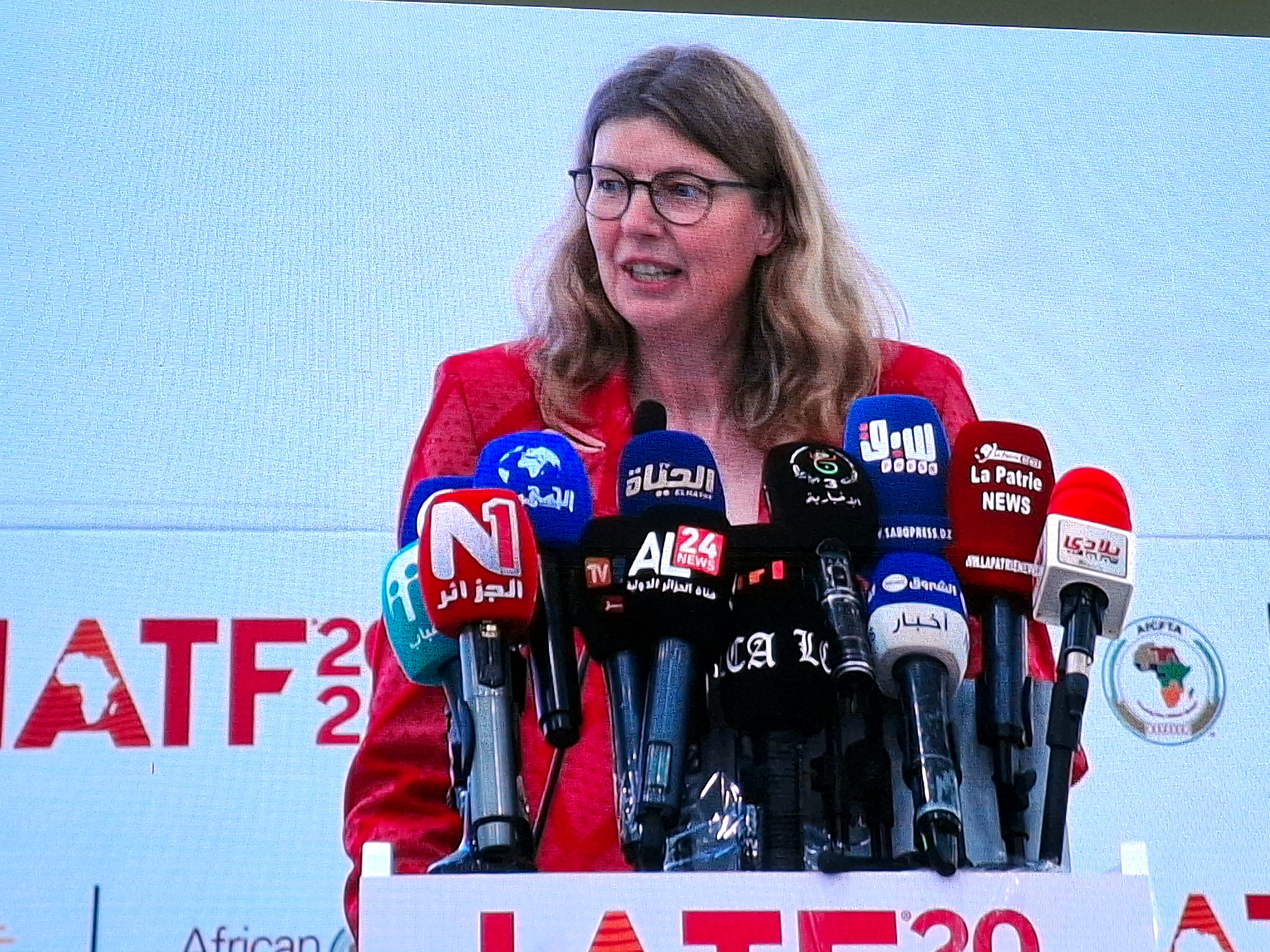 Martina Biene
Martina Biene, President of AAAM, highlighted the cooperative effort behind the milestone. “This achievement reflects what can be done when public and private sectors work together. The framework enables African countries to trade more competitively among themselves and lays the groundwork for the continent to become a more serious participant in global automotive markets.”
With the rules now in place, countries that have committed to immediate or phased tariff liberalisation under AfCFTA categories A and B will be able to begin preferential trade in automotive goods. The move is expected to support the growth of local assembly and component manufacturing, and over time, give African consumers access to more affordable vehicles produced within the continent.
https://bit.ly/4qM9HkR

No comments:
Post a Comment