
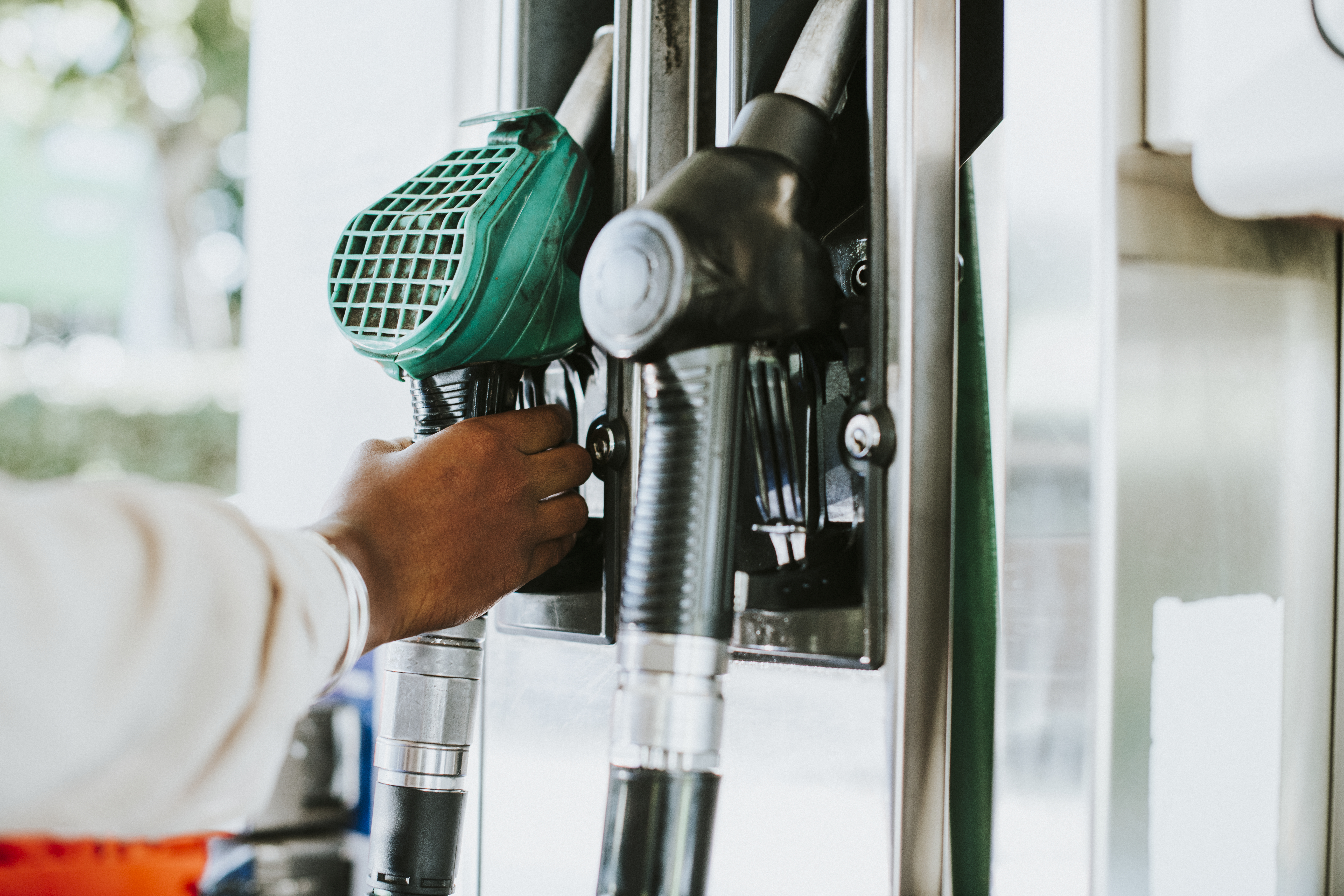
When South African motorists pulled into filling stations in the first week of May, the numbers on the pumps delivered a jolt that few had braced for. Ninety-five octane petrol had climbed to R26,63 a litre inland, marking one of the sharpest monthly increases seen in recent years.
For a country where many households already stretch salaries to cover transport, school fees and food, the jump landed like an unwelcome guest who refuses to leave.

The mechanics behind that new price are anything but simple. Every month, the Department of Mineral Resources and Energy runs a formula that reads like a barometer of global and domestic pressures: Brent crude prices, freight costs, the rand’s dance against the dollar and a stack of fixed levies.
In April, a temporary relief of R3 a litre on the general fuel levy was extended, which might have suggested some breathing room. But the slate levy, sitting at roughly 122,70 cents a litre, along with other non-negotiable charges, pushed the final number firmly upwards. The result was a classic case of with one hand giving and the other taking away.
Across the continent, Kenya’s drivers have been living a similar story, though with a different policy flavour. In the April to May pricing cycle, the Energy and Petroleum Regulatory Authority set super petrol at KSh197,60 a litre in Nairobi. That figure followed a government decision to cut value added tax on petroleum products to eight percent, while also dipping into the Petroleum Development Levy fund to soften the blow.
The intervention succeeded in lowering the headline price, but it did nothing to erase Kenya’s underlying exposure to global landed costs. What Nairobi gained in short-term relief, it may pay for later in fiscal pressure.
That trade off — protect consumers now or brace them for full market transmission — is one that finance ministers across the region are losing sleep over.

So where does that leave the South African motorist in practical terms? Better or worse off than their Kenyan counterpart? The answer depends less on the headline number alone and more on two structural realities.
First, the mix of taxes and levies that sits on top of the landed cost. Second, the currency exposure that comes with being heavily dependent on imported refined product.
South Africa’s fixed charges — the slate levy, the Road Accident Fund levy and excise duties — mean that even when the government trims the general fuel levy, a large chunk of the pump price is essentially non-negotiable.
Relief measures buy less breathing room than the headline reductions suggest. Kenya’s approach, cutting VAT and leaning on a levy fund, shows a different policy mix that can temporarily lower the pump price but risks fiscal strain if sustained. Neither country has built a structural firewall against spikes in Brent crude or disruptions in shipping routes. Both remain import dependent for refined product and both are vulnerable.
Further north, Nigeria offers a cautionary tale that being a crude producer does not automatically guarantee cheap fuel at the pump. In early May, rapid movements in gantry and ex-depot prices pushed retail petrol into the range of ₦1 200 to ₦1 440 a litre.
Refinery and distribution dynamics are still adjusting to higher global crude prices, and Nigerian motorists have watched their costs climb with little of the subsidy comfort they once took for granted.
Ghana, operating on a bi-monthly pricing schedule, introduced temporary margin cuts and price floors that produced modest relief. Petrol stood at GH¢13,25 a litre in the first May window. But the country remains import dependent for refined product, leaving it vulnerable to movements in Brent and the cedi.
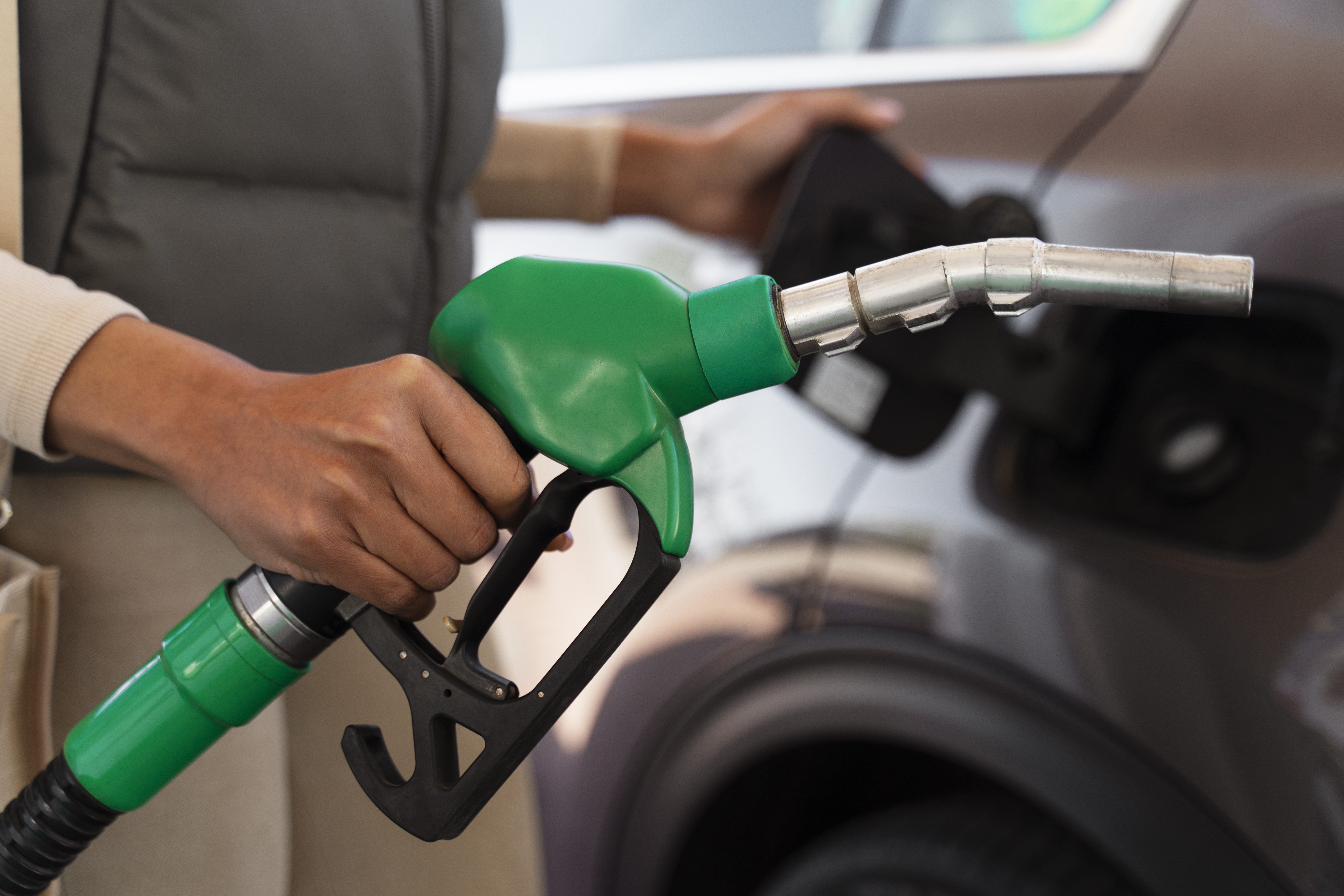
Morocco, meanwhile, has seen prices dip below MAD15 a litre recently, reflecting the direct pass through of international price moves into an import dependent market. Limited targeted support for transport professionals has been deployed there, but sustained subsidy programmes have largely been avoided.
What makes South African motorists worse off in practice is not the absolute headline alone. It is the combination of two structural features. The first is a high share of fixed levies that blunts the effect of temporary reliefs.
The second is direct rand exposure on imported refined product, meaning that currency weakness adds rand a litre pain quickly and without mercy. These factors mean that relief measures such as the R3 a litre cut buy only temporary respite. When the rand stumbles or Brent climbs again, the pump price moves almost immediately.
For businesses and fleet managers, the implications are serious. Volatility is not going to settle into a predictable pattern any time soon. Short term relief measures are politically useful but they do not eliminate exposure.
Fleet operators should be modelling at least three scenarios: a stable rand, a 10 percent drop in the rand, and a scenario where the temporary levy relief is withdrawn and additional levies of between R1 and R3 a litre are reinstated.
Negotiating capped margin fuel contracts or fuel card arrangements can provide some insulation. Operational measures such as route optimisation, telematics, tyre pressure discipline and maintenance programmes should be pursued relentlessly to reduce the number of litres consumed.
For policymakers, the choice is increasingly stark. Protect consumers now with temporary relief and accept the fiscal cost, or allow market prices to transmit fully and risk higher inflation and transport cost pass through into every sector of the economy.
The May 2026 pricing window underlines two realities that cannot be wished away. Headline pump prices across Africa are converging around the same international drivers — Brent, freight and foreign exchange.
The road ahead, then, is not about finding a permanent low price. That ship has sailed. It is about managing exposure, making the fleet as efficient as possible, and accepting that for as long as African countries refine so little of what they burn, the pump price will remain a messenger for forces far beyond any filling station’s control.
https://bit.ly/4tlmFYi
